Decline Push-Ups: Targeting Upper Chest for Balanced Development
Decline push-ups hit the upper chest that flat presses miss, building balanced pecs, shoulder stability, and core strength. Master the form step by step.
 Jeff·Aug 20, 2024·3 min read
Key Takeaways
- Decline push-ups hit your upper chest way better than regular push-ups or flat bench press.
- Put your feet on a bench or step and keep your hands on the ground - the higher your feet, the more you target upper chest.
- Keep your body in a straight line from head to toe and don't let your hips sag or you'll hurt your lower back.
- Once you get good at basic decline push-ups, try clap push-ups or single-leg variations to make them harder.
- This exercise also works your shoulders and core harder than regular push-ups.
Get This on WhatsApp
Get a quick summary and link sent straight to your WhatsApp.
Send Me This ArticleAre you looking to sculpt a well-balanced and strong upper body? If so, incorporating decline push-ups into your workout routine is essential. Decline push-ups are an effective exercise for targeting the upper chest muscles, enhancing your overall chest development. In this article, we'll explore the benefits, techniques, and tips for mastering decline push-ups to achieve a more balanced physique.
Benefits of Decline Push-Ups
Decline push-ups offer several advantages when it comes to upper chest development:
- •Targeted Muscle Activation: By performing decline push-ups, you emphasize the upper portion of the pectoral muscles, which can be challenging to isolate with standard push-ups or flat bench presses.
- •Improved Shoulder Stability: This exercise engages the shoulder stabilizers, promoting joint health and reducing the risk of injuries.
- •Enhanced Core Strength: Maintaining a decline position requires core activation, leading to a stronger, more stable midsection.
How to Perform Decline Push-Ups Correctly
To reap the full benefits of decline push-ups, it's crucial to perform them with proper form. Follow these steps:
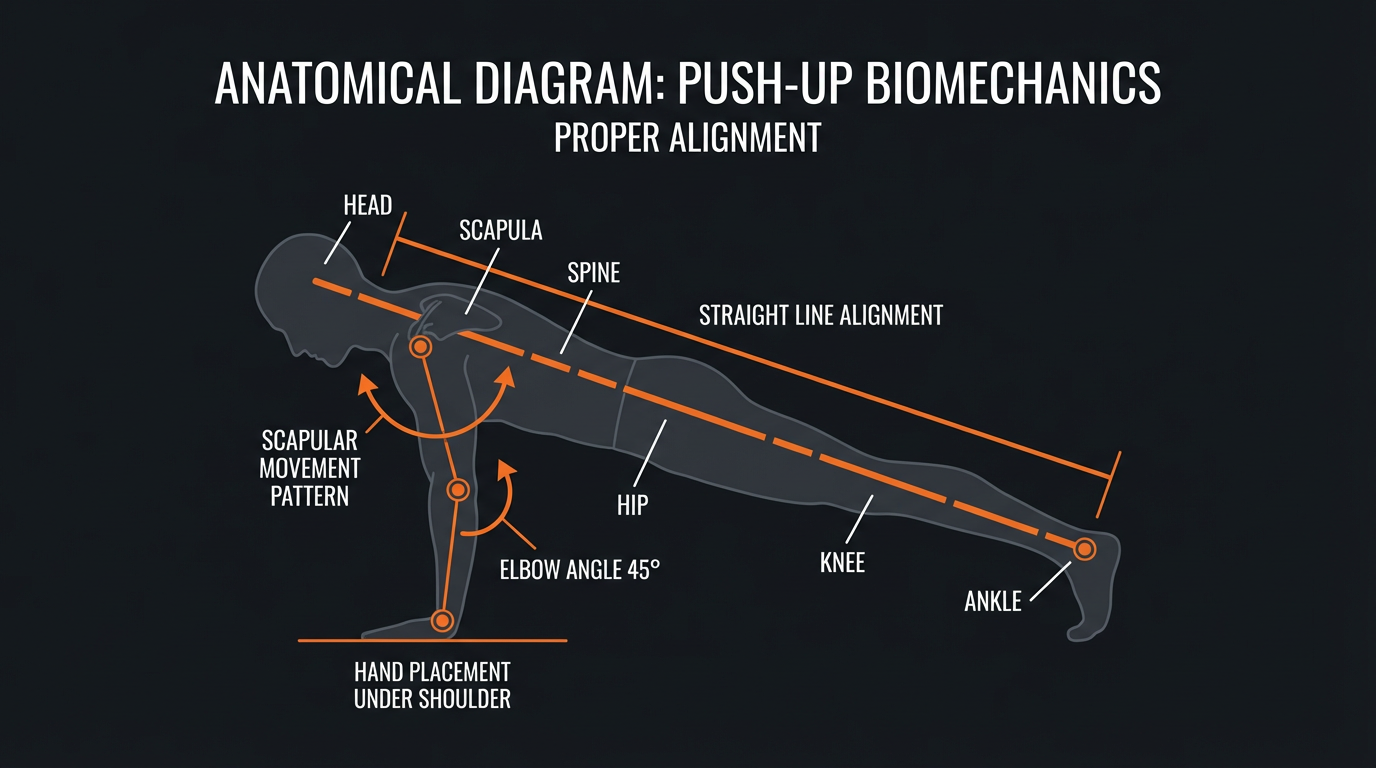
- •Set Up: Place your feet on an elevated surface, such as a bench or step, while keeping your hands on the ground. The higher the elevation, the more you'll target your upper chest.
- •Body Alignment: Ensure your body forms a straight line from head to heels. Avoid sagging or arching your back.
- •Execute the Push-Up: Lower your body slowly until your chest nearly touches the ground. Maintain control and focus on engaging your upper chest muscles.
- •Push Back Up: Press through your palms and return to the starting position. Repeat for the desired number of repetitions.
For beginners, start with a lower elevation and gradually increase the height as you build strength and confidence.
Common Mistakes to Avoid
Even experienced fitness enthusiasts can make mistakes when performing decline push-ups. Here are some common errors and how to correct them:
Sagging Hips
Allowing your hips to sag can lead to lower back strain. Focus on engaging your core and maintaining a straight body line throughout the movement.
Improper Hand Positioning
Placing your hands too wide or too narrow can affect muscle activation. Ensure your hands are shoulder-width apart and aligned with your shoulders.
Advanced Variations and Tips
Once you've mastered the basic decline push-up, challenge yourself with advanced variations to keep your workouts engaging and effective:
- •Decline Clap Push-Ups: Add an explosive element by pushing up forcefully and clapping your hands before landing back in the push-up position.
- •Single-Leg Decline Push-Ups: Lift one leg off the bench during the exercise to increase core engagement and balance requirements.
- •Weighted Decline Push-Ups: Place a weight plate on your back to increase the resistance and build more muscle strength.
Remember to incorporate rest and recovery days into your routine to allow your muscles to repair and grow stronger. Healthline states that adequate rest is essential for muscle growth and recovery (source).
Conclusion
By integrating decline push-ups into your fitness regimen, you can achieve a well-rounded and powerful upper body. This exercise targets the often-neglected upper chest muscles, leading to balanced development and enhanced strength. So, whether you're a beginner or an advanced fitness enthusiast, the benefits of decline push-ups are too significant to ignore.
Ready to take your chest workout to the next level? Incorporate decline push-ups today and witness the remarkable transformation in your upper body strength and aesthetics!
Further Learning
Frequently Asked Questions
- Do decline push-ups actually target the upper chest?
- Yes. When your feet are elevated, the angle shifts the emphasis to your upper pec fibers and front delts, similar to an incline bench press. The higher your feet, the more upper chest and shoulder involvement. A 12-18 inch elevation is the sweet spot for most people.
- How high should my feet be for decline push-ups?
- Start with your feet on a bench or chair (about 16-18 inches). Going higher than 24 inches turns it into more of a shoulder exercise than a chest exercise. If you're strong enough, a moderate elevation with a weighted vest is better than an extreme angle.
- Are decline push-ups harder than regular push-ups?
- Yes. Elevating your feet increases the percentage of your bodyweight you're pushing, roughly from 65% to 70-75%. You'll probably do 20-30% fewer reps on decline push-ups compared to flat. That's exactly what makes them a great progression.
- Can decline push-ups replace incline bench press?
- For beginners and intermediates, they're a solid substitute. Both target the upper chest effectively. You'll eventually need external resistance to keep progressing though, since bodyweight alone has limits. Adding a weighted vest to decline push-ups extends their usefulness significantly.