The Role of BCAAs in Muscle Growth and Recovery
BCAAs for muscle growth and recovery: how leucine, isoleucine and valine drive protein synthesis, cut breakdown, and whether supplementing is worth it.
 Jeff·Aug 20, 2024·3 min read
Key Takeaways
- Leucine is the most important BCAA because it directly triggers muscle protein synthesis through the mTOR pathway.
- Taking BCAAs reduces muscle soreness and speeds up recovery time after tough workouts.
- The sweet spot for BCAA dosage is 5-10 grams taken before, during, and after your training sessions.
- BCAAs can still be worth taking even if you eat plenty of protein since they provide targeted support for muscle building.
- BCAA supplementation is safe for most people but check with a doctor first if you have health issues.
Get This on WhatsApp
Get a quick summary and link sent straight to your WhatsApp.
Send Me This ArticleWhen it comes to fitness and achieving peak performance, athletes and enthusiasts are constantly on the lookout for effective nutritional strategies. One such strategy that has gained tremendous popularity is the inclusion of Branched-Chain Amino Acids (BCAAs). In this article, we will delve deeply into the role of BCAAs in muscle growth and recovery, providing valuable insights backed by research.
What Are BCAAs?
BCAAs, or Branched-Chain Amino Acids, include three essential amino acids: leucine, isoleucine, and valine. These amino acids are termed "essential" because the body cannot produce them; hence, they must be obtained through diet or supplementation. BCAAs are uniquely structured with a branched chain, which sets them apart from other amino acids. Their primary function is to support muscle protein synthesis, minimize muscle breakdown, and sustain energy during prolonged exercise.
The Mechanism Behind Muscle Growth
The role of BCAAs in muscle growth is substantial. Muscle protein synthesis is a process by which the body produces new muscle mass. The key player in this mechanism is leucine, one of the BCAAs. Leucine activates mTOR (mechanistic target of rapamycin), a signaling pathway that, in turn, stimulates muscle protein synthesis.
- •Leucine - Activates muscle protein synthesis
- •Isoleucine - Provides energy through glucose uptake
- •Valine - Supports muscle metabolism and tissue repair
Research conducted by the Journal of Nutrition shows that leucine intake significantly increases muscle protein synthesis, especially post-exercise, making it an effective nutrient for muscle hypertrophy.
The Role of BCAAs in Muscle Recovery
The role of BCAAs extends beyond muscle growth to include muscle recovery. Exercise-induced muscle damage (EIMD) often leads to muscle soreness, a common concern for many fitness enthusiasts. BCAAs help mitigate this by reducing the degree of muscle damage and promoting faster recovery.
How BCAAs Facilitate Recovery:
- •Reducing Muscle Soreness: BCAAs decrease exercise-induced muscle damage, thereby reducing soreness.
- •Improving Muscle Function: They help restore functional capacity more quickly than other amino acids.
- •Supporting Immunity: BCAAs help in maintaining a strong immune system, which is crucial during intense training periods.
A study published in the International Journal of Sport Nutrition and Exercise Metabolism reveals that individuals who incorporated BCAAs into their diet experienced reduced muscle soreness and quicker recovery times, demonstrating the efficacy of BCAAs in muscle recovery.
Practical Tips for BCAA Supplementation
While the benefits of BCAAs for muscle growth and recovery are clear, effective usage is key. Here are some practical tips:
- •Timing: Consume BCAAs before, during, and after workouts to maximize benefits.
- •Dosage: A common dosage is about 5-10 grams per serving. Always follow the recommendations on the supplement label.
- •Combination: Pair BCAAs with a high-protein diet for optimal results.
- •Consistency: Regular intake is essential to observe significant improvements.
Addressing Common Concerns
One common question is whether BCAAs are necessary if already consuming a protein-rich diet. The answer depends on the individual's specific goals and current dietary intake. While whole foods remain the best nutrient sources, BCAAs can offer targeted support for muscle protein synthesis and recovery, making them a valuable addition, particularly for those engaging in vigorous training.
Another concern is safety. BCAA supplementation is generally safe for most people. However, it's essential to consult with a healthcare provider before starting any new supplement regimen, especially if you have preexisting health conditions or are pregnant.
Conclusion
In summary, BCAAs play a crucial role in muscle growth and recovery by promoting muscle protein synthesis and reducing muscle damage. They are a valuable addition to any fitness enthusiast's nutrition plan when timed and dosed correctly. As you advance in your fitness journey, consider integrating BCAAs to enhance your performance and recovery.
If you're interested in optimizing your muscle growth and recovery, take action by including BCAAs in your routine. Always remember that a balanced diet, consistent training, and adequate supplementation are the pillars of successful fitness outcomes.
Frequently Asked Questions
- Are BCAAs worth buying in 2025?
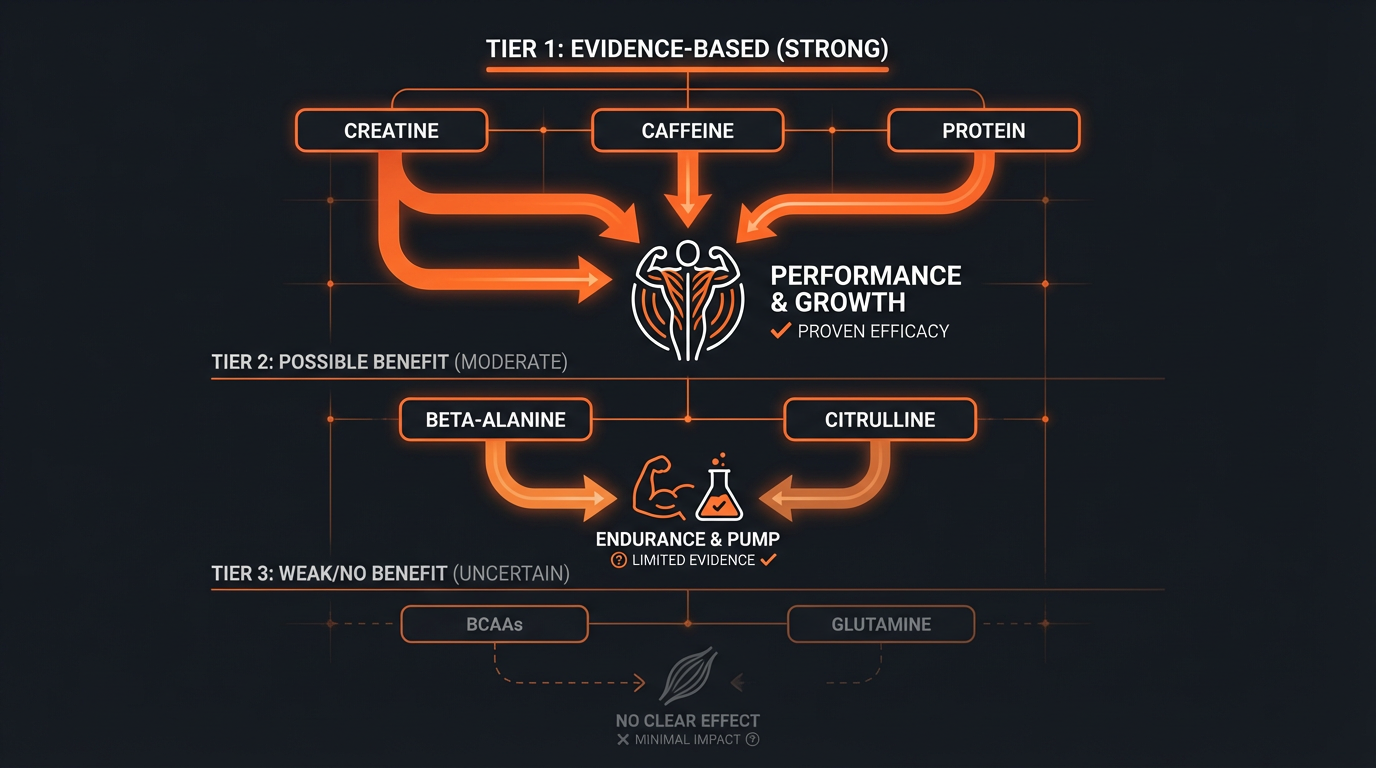
- For most people, no. If you eat enough total protein, you're already getting plenty of BCAAs from your food and whey shakes. The BCAA supplement industry was built on research done with people who weren't eating enough protein in the first place.
- Can BCAAs replace protein shakes?
- Not at all. BCAAs only provide 3 of the 9 essential amino acids. You need all 9 to build muscle. A BCAA supplement without the other essential aminos is like trying to build a house with only 3 of the 9 materials you need.
- Do BCAAs help if I train fasted?
- This is their one legitimate use case. If you train first thing in the morning without eating, 5-10g of BCAAs or EAAs beforehand can reduce muscle protein breakdown during the session. But honestly, a small protein shake before training does the same thing better.
- What's the right BCAA dosage?
- If you're going to take them, 5-10g with a 2:1:1 ratio of leucine to isoleucine to valine, taken before or during training. But again, this money is almost always better spent on quality whey protein, which already contains BCAAs in that ratio.