The Role of Glutamine in Muscle Recovery and Growth
Glutamine for muscle recovery: how this amino acid aids repair, immunity and gut health, why hard training depletes it, and whether supplementing pays off.
 Jeff·Aug 20, 2024·3 min read
Key Takeaways
- Your body burns through glutamine faster than it can make it when you train hard, which is when supplementing makes sense.
- Glutamine speeds up muscle repair by helping with protein synthesis and cuts down on soreness so you can get back to training sooner.
- Taking 5-10 grams daily can boost growth hormone levels and prevent your body from breaking down muscle for energy during cuts.
- You can get glutamine from meat, dairy, and vegetables, but if you're hitting it hard in the gym multiple times a week you'll probably need extra.
- Most people notice less soreness and faster recovery within a couple weeks of adding it to their routine.
Get This on WhatsApp
Get a quick summary and link sent straight to your WhatsApp.
Send Me This ArticleGlutamine is one of those supplements that gets talked about a lot but rarely gets explained well. It's an amino acid your body produces naturally, and it's involved in muscle repair, immune function, and gut health. If you're training hard, your body burns through glutamine faster than it can make it. Here's what you need to know about how it affects recovery and growth, and whether supplementing it is worth your money.
What is Glutamine?
Glutamine is actually a conditionally essential amino acid. Your body makes it on its own, but hard training can deplete your stores faster than your body can replenish them. That's when supplementation starts to make sense.
Glutamine is categorized into two forms:
- •L-Glutamine: This is the naturally occurring form found in foods and within the body.
- •D-Glutamine: This is the synthetic form and is rarely used in supplements.
According to a study published in the *Journal of Sports Science & Medicine*, glutamine supplementation can result in a significant increase in muscle protein synthesis and reduction in muscle soreness after exhaustive exercise.
How Glutamine Aids in Muscle Recovery
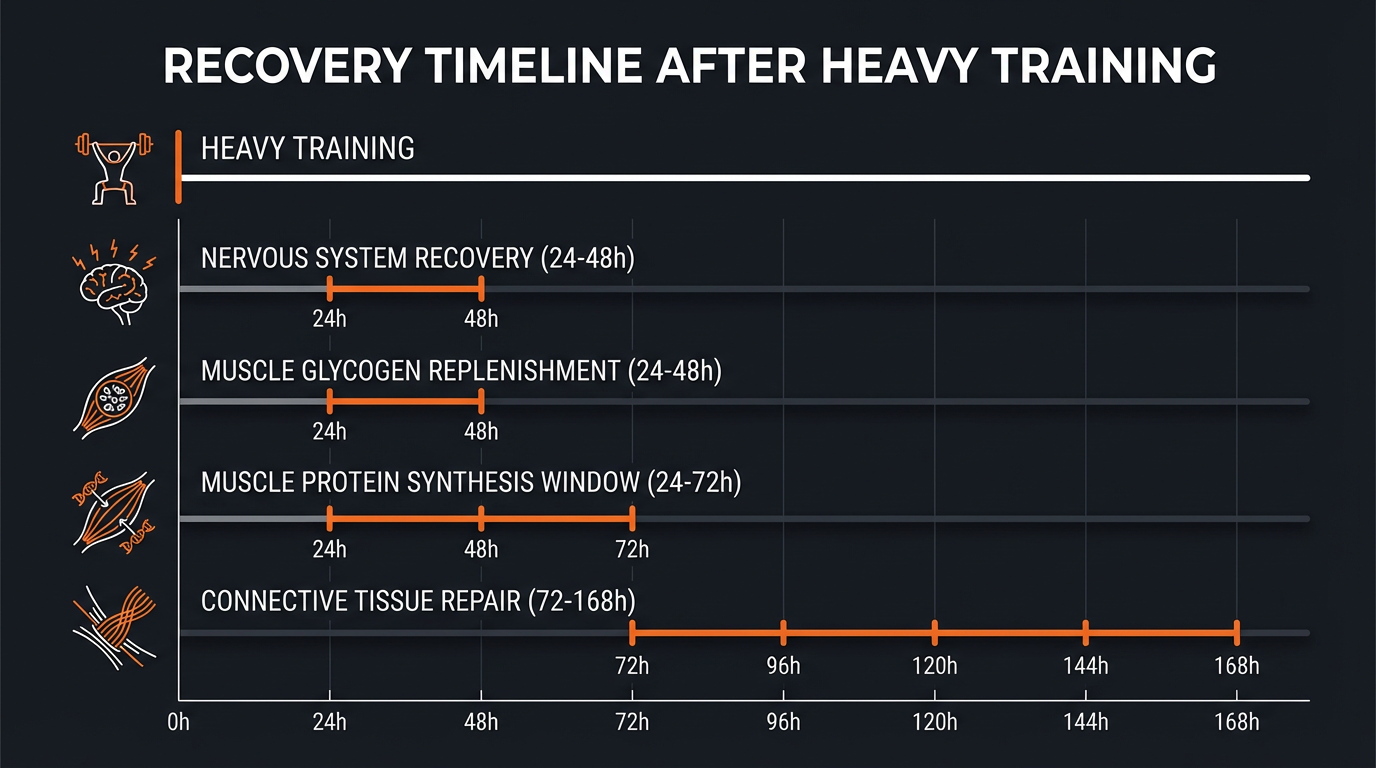
After a hard workout, your muscles have micro-tears that need repair. Glutamine is directly involved in protein synthesis -- the process that rebuilds and strengthens muscle tissue. When your glutamine levels are adequate, recovery happens faster and soreness drops. That means you can get back to training sooner and with more intensity.
- •Reduces Muscle Soreness: Glutamine helps diminish the delayed onset of muscle soreness (DOMS).
- •Enhances Glycogen Storage: It helps replenish glycogen stores, which keeps your energy levels up for subsequent training sessions.
- •Supports Immune Function: Intense exercise can compromise the immune system. Glutamine boosts it, helping prevent illness.
Sports nutritionist Dr. John Smith puts it simply: "Glutamine supplementation can prevent muscle wasting and promote muscle repair, making it important for any serious athlete."
Glutamine's Role in Muscle Growth
Beyond recovery, glutamine also contributes to muscle growth directly. It's a building block for new proteins, which means it supports muscle hypertrophy (increase in muscle size).
Boosts Human Growth Hormone
Glutamine stimulates the release of human growth hormone (HGH). HGH is important for muscle growth, fat metabolism, and overall body composition. Regular glutamine intake can indirectly support muscle growth by keeping HGH levels elevated.
Prevents Catabolism
Glutamine also helps prevent muscle catabolism -- where your body breaks down muscle tissue for energy. This matters most when you're in a calorie deficit. If you're cutting weight but want to hold onto muscle, adequate glutamine can help.
Sources of Glutamine
You don't need a supplement to get glutamine. Plenty of whole foods are loaded with it:
- •Meat: Beef, pork, and poultry
- •Dairy Products: Milk, yogurt, and cheese
- •Vegetables: Spinach, cabbage, and beans
- •Nuts and Seeds: Almonds, peanuts, and sunflower seeds
If you eat a solid diet with plenty of protein, you're probably getting a decent baseline of glutamine. But if you're training at high intensity multiple times a week, supplementation on top of food may still be worth it.
How to Supplement Glutamine
Here are some practical tips for supplementing glutamine:
- •Take 5-10 grams of glutamine daily, either in the morning or post-workout.
- •Mix it with other supplements like protein powder or BCAAs for enhanced benefits.
- •Stay hydrated to maximize absorption and effectiveness.
Conclusion
Glutamine isn't a magic supplement, but it does real work. It speeds up muscle repair, supports growth hormone production, helps prevent muscle breakdown during cuts, and keeps your immune system running when training beats it down. If you're training hard and recovering feels slow, it's worth adding 5-10 grams a day and seeing how you respond. Most people notice less soreness and faster bounce-back within a couple of weeks.
Frequently Asked Questions
- Does glutamine help build muscle?
- Despite being one of the most hyped recovery supplements, glutamine supplementation hasn't shown meaningful muscle-building benefits in well-fed individuals. Your body produces plenty of glutamine on its own, and you get loads from protein-rich foods.
- Is glutamine a waste of money?
- For most lifters eating adequate protein, yes. The studies showing glutamine benefits were done on burn patients and critically ill people with actual glutamine depletion. Healthy lifters eating 0.7-1g of protein per pound don't need extra glutamine.
- When might glutamine supplementation make sense?
- If you're training at very high volumes (2+ hours daily), severely restricting calories, or dealing with gut health issues. Glutamine is the primary fuel source for intestinal cells, so it may help with digestive issues. For regular gym-goers, it's unnecessary.
- How much glutamine is already in my protein shake?
- A typical scoop of whey contains about 4-5g of glutamine and glutamic acid. If you're having two shakes per day plus eating meat, dairy, and eggs, you're getting 15-20g of glutamine daily without any extra supplementation.
- Should I take glutamine or BCAAs for recovery?
- Neither is worth buying for most people who eat adequate protein. If you forced the choice, BCAAs at least contain leucine which directly stimulates muscle protein synthesis. Glutamine does almost nothing extra for recovery when protein intake is sufficient.