BMI Calculator
Body mass index with category rating
What This Calculator Measures
Body Mass Index (BMI) is a simple ratio of weight to height squared, used as a screening tool to categorize individuals into weight categories. It was developed by Adolphe Quetelet in the 1830s and remains the most widely used population-level measure of body composition.
How It Works
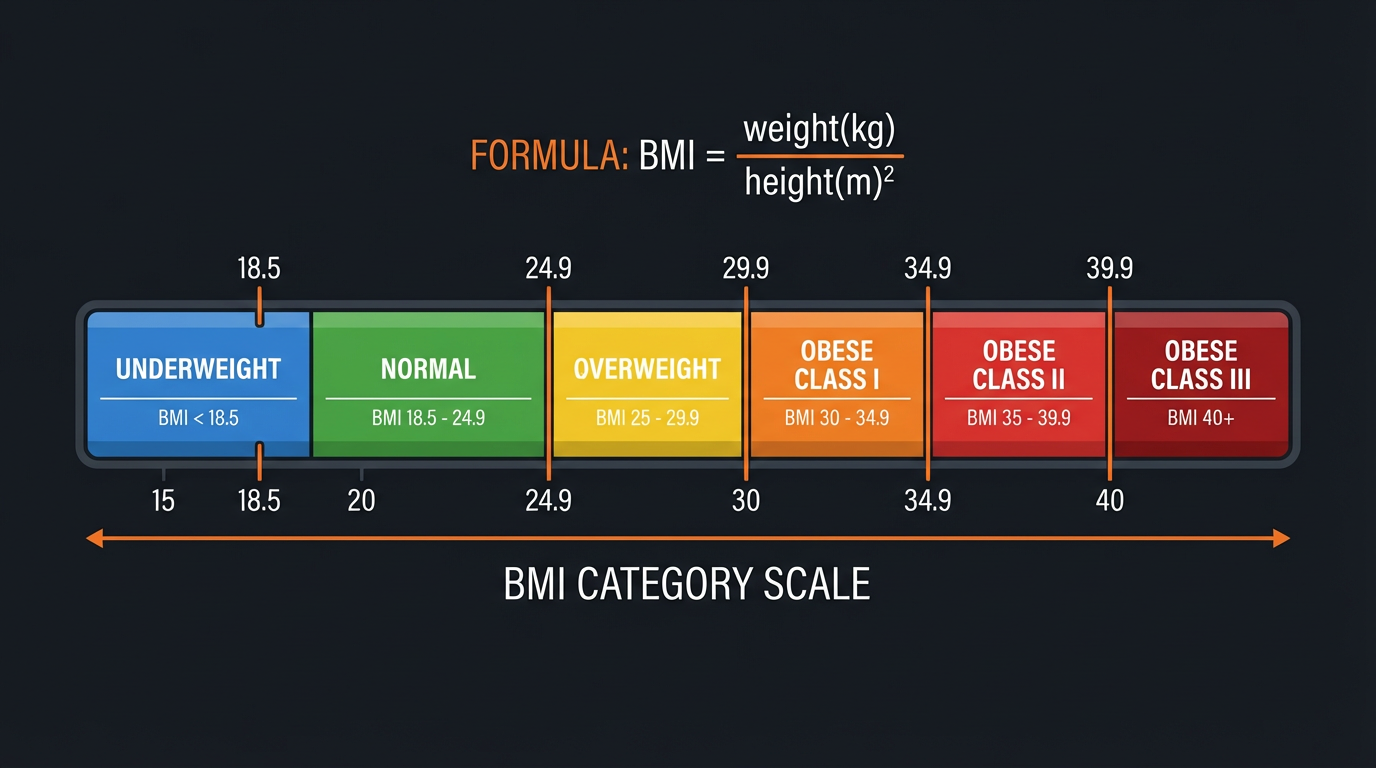
**BMI = Weight (kg) / Height (m)²**
For example, a person weighing 80 kg at 180 cm tall: BMI = 80 / 1.8² = **24.7** (Normal range).
| BMI Range | Category |
|---|---|
| Below 18.5 | Underweight |
| 18.5 - 24.9 | Normal weight |
| 25.0 - 29.9 | Overweight |
| 30.0 and above | Obese |
Context for Lifters
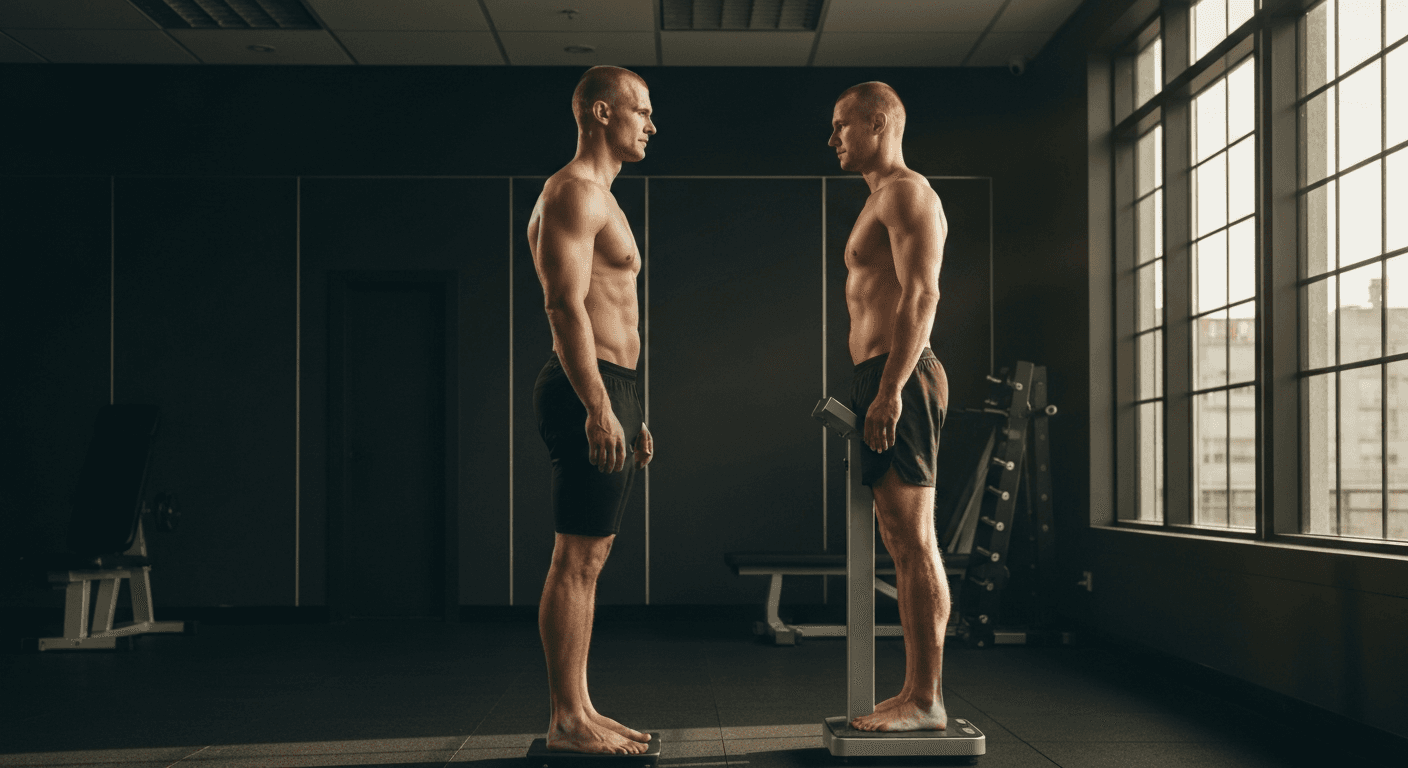
BMI is a useful population-level metric, but it has well-documented limitations for resistance-trained individuals. Because it does not distinguish between muscle and fat mass, a lean, muscular person can easily register as "overweight" or even "obese" by BMI standards while being in excellent metabolic health.
Limitations
Frequently Asked Questions
- Is BMI actually useful for people who lift weights?
- Not really. BMI doesn't distinguish between muscle and fat, so a muscular 200 lb guy at 5'10" gets classified as "overweight" even at 12% body fat. It's a population-level screening tool, not an individual fitness metric.
- What BMI range is considered healthy?
- The standard healthy range is 18.5-24.9. But if you lift weights, you'll likely be in the 25-28 range and perfectly healthy. Don't stress about BMI if you're training hard and your body fat percentage is reasonable.
- Should I use BMI or body fat percentage?
- Body fat percentage is far more useful for lifters. A guy at 15% body fat is in good shape regardless of what his BMI says. Use BMI as a rough screening tool and body fat percentage for actual fitness assessment.
- Why do doctors still use BMI?
- It's quick, cheap, and requires only height and weight. For sedentary populations, it correlates reasonably well with health risk. It just breaks down for anyone with above-average muscle mass, which is why lifters shouldn't take it too seriously.