Best Protein Sources for Muscle Growth: Complete Guide
The best protein sources for muscle growth, from chicken and lean beef to complete proteins, with per-serving protein counts to repair and build muscle.
 Jeff·Aug 20, 2024·4 min read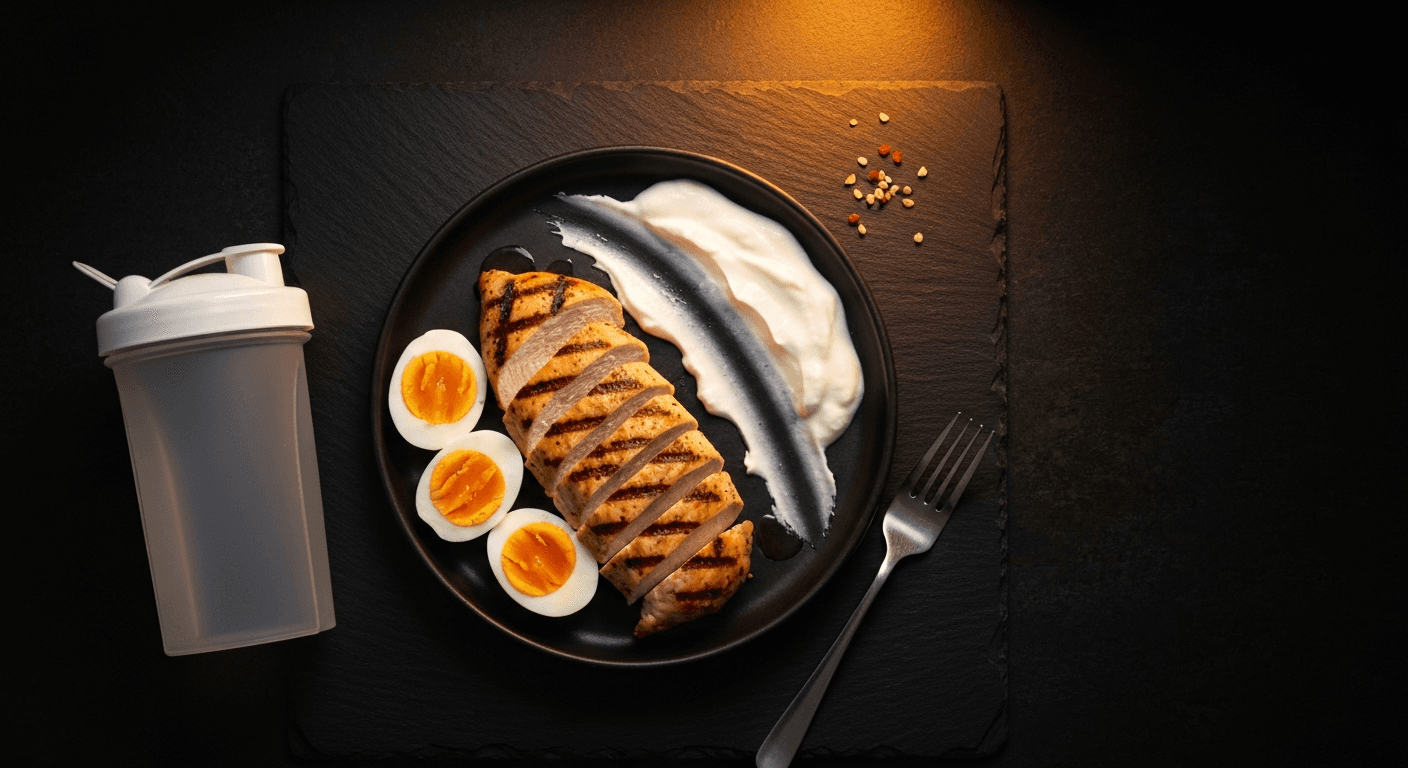
Key Takeaways
- Chicken breast gives you 26 grams of protein per 3 ounces with almost no fat, making it the king of lean muscle fuel.
- Eggs are the most versatile protein at 6 grams each and you can throw them into literally any meal.
- Lentils pack 18 grams of protein per cup if you're going the plant route, plus they're loaded with fiber.
- Greek yogurt has double the protein of regular yogurt at 10 grams per serving and makes for perfect post-workout fuel.
- Combine different protein sources throughout the day instead of relying on just one to maximize your muscle gains.
Get This on WhatsApp
Get a quick summary and link sent straight to your WhatsApp.
Send Me This ArticleWhen it comes to building muscle, your diet is just as important as your workout routine. One of the most crucial components of a muscle-building diet is protein. This comprehensive guide will walk you through the best protein sources for muscle growth, ensuring you have all the information you need to fuel your fitness journey.
Why Is Protein Important for Muscle Growth?
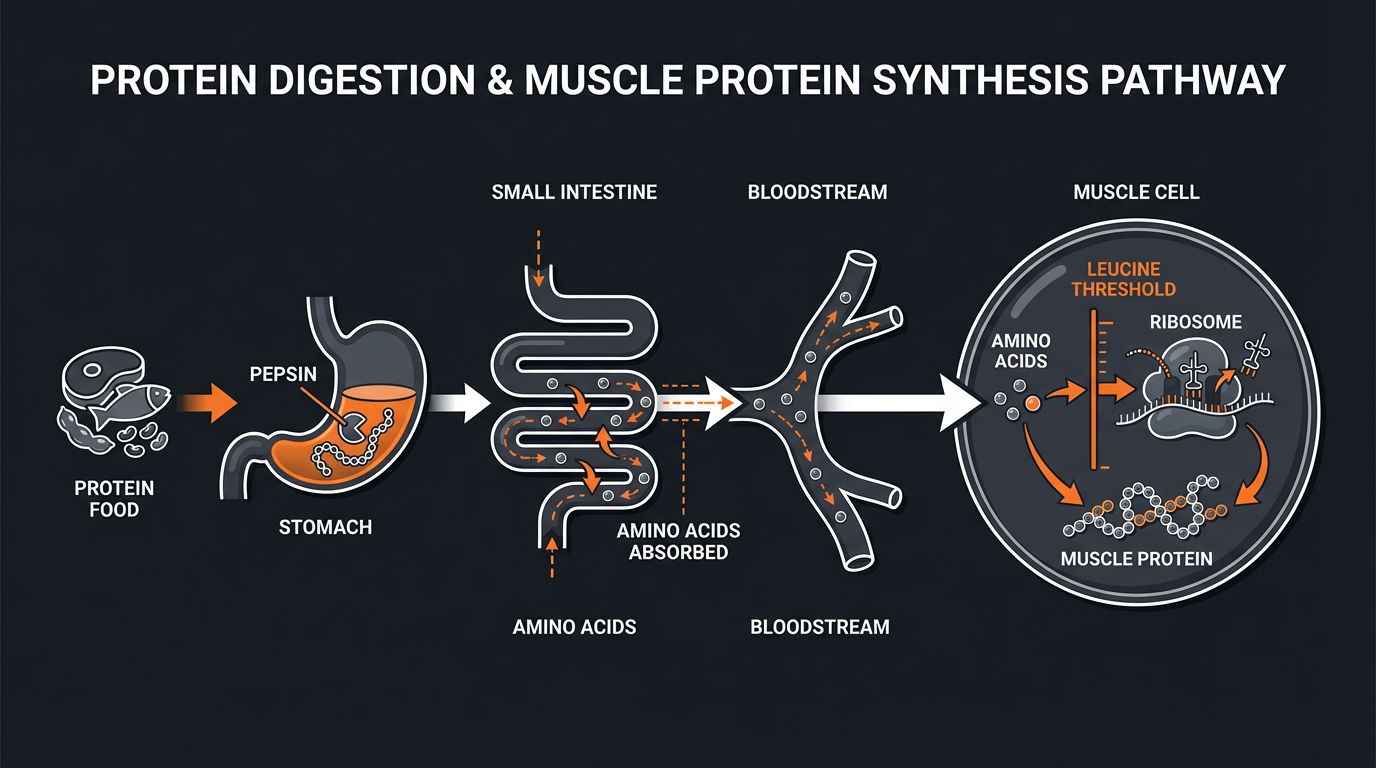
Proteins are the building blocks of muscles. They are made up of amino acids, which help repair and grow muscle tissue after exercise. According to a study published in the *American Journal of Clinical Nutrition*, consuming sufficient protein can significantly enhance muscle mass and strength gains in combination with resistance training.
Top Animal-Based Protein Sources
Animal-based proteins are often considered complete proteins, meaning they contain all nine essential amino acids. Here are some of the most potent sources:
- •Chicken Breast: This lean protein is a staple in many fitness diets. A 3-ounce serving contains about 26 grams of protein with minimal fat.
- •Beef: Opt for lean cuts like sirloin or tenderloin. These meats provide around 25 grams of protein per 3-ounce serving along with vital nutrients such as iron and zinc.
- •Eggs: One large egg contains roughly 6 grams of protein. Eggs are incredibly versatile and can be incorporated into various meals.
- •Fish: Salmons, tunas, and cods are excellent choices, offering around 20-25 grams of protein per 3-ounce serving. They also provide healthy fats important for muscle recovery.
- •Greek Yogurt: This dairy product boasts nearly double the protein content of regular yogurt, with around 10 grams per 100 grams serving.
Top Plant-Based Protein Sources
If you are following a vegetarian or vegan diet, you can still meet your protein needs for muscle growth with plant-based sources. Here's a list of the best options:
- •Quinoa: Known as a complete protein, quinoa offers about 8 grams of protein per cooked cup.
- •Lentils: These legumes provide roughly 18 grams of protein per cooked cup, along with an impressive amount of fiber.
- •Chickpeas: A cup of cooked chickpeas delivers about 15 grams of protein and can be used in various dishes like salads and stews.
- •Tofu: A half-cup serving of tofu contains about 10 grams of protein. It’s a versatile ingredient that absorbs the flavors of the dishes it's cooked in.
- •Hemp Seeds: Just three tablespoons provide about 10 grams of protein. These seeds can be sprinkled on smoothies, cereals, or salads.
Combining Protein Sources for Maximum Benefits
For optimal muscle growth, it's often beneficial to combine different protein sources. Here’s a step-by-step guide to ensure you're getting a balanced intake:
- •Start With Breakfast: Incorporate high-protein foods like eggs or Greek yogurt to kickstart your day.
- •Midday Meals: Use a mix of animal and plant-based proteins. Consider a quinoa salad with chicken, or a beef stir-fry with veggies.
- •Evening Intake: Include a source of protein in your dinner, such as fish with lentil soup, to help muscles recover overnight.
- •Snacks: Keep protein-rich snacks handy. Nuts, seeds, and protein bars can help you meet your daily requirements.
- •Hydration: Don't forget to drink enough water, as it aids in nutrient absorption and muscle recovery.
Practical Tips for Increasing Protein Intake
Here are some actionable tips to help you up your protein intake effortlessly:
- •Meal Prep: Prepare large batches of protein-rich meals to save time and ensure you stay on track.
- •Use Protein Supplements: While whole foods are best, protein powders can provide a convenient and quick boost.
- •Read Labels: Always check the protein content in packaged foods. Choose products with higher protein content.
Conclusion: Fuel Your Muscles Right
Finding the best protein sources for muscle growth doesn't have to be complicated. By incorporating a variety of high-quality animal and plant-based proteins, and following a balanced diet, you can efficiently support your muscle-building goals. Don't forget to combine your protein intake with regular resistance training for the best results. Ready to take your muscle growth to the next level? Start incorporating these protein sources into your diet today!
For more expert advice and tips on muscle growth and nutrition, subscribe to our newsletter or visit our blog regularly.
Frequently Asked Questions
- What is the best protein source for building muscle?
- Chicken breast, eggs, and Greek yogurt are hard to beat for the price and protein quality. If budget isn't an issue, wild salmon and grass-fed beef offer excellent protein plus healthy fats and micronutrients.
- Is whey protein as good as whole food for muscle building?
- Whey is great for convenience and post-workout, but whole foods should make up the majority of your protein intake. Real food provides micronutrients, fiber, and satiety that a shake can't replicate.
- How much protein can your body absorb in one meal?
- Your body can absorb way more than the old "30g per meal" myth. Recent research shows that 40-60g per meal is fine and may even be better for muscle growth, especially after training or in larger individuals.
- Are protein bars a good source of protein for muscle building?
- They're better than nothing but worse than real food. Most protein bars are basically candy bars with added whey. If you use them, pick ones with at least 20g protein, under 5g sugar, and a short ingredient list.