Bulking for Endurance Athletes: Balancing Mass Gain with Performance
Bulking for endurance athletes: gain lean muscle without losing speed. How added mass boosts strength, supports joints and speeds recovery for runners.
 Jeff·Aug 20, 2024·3 min read
Key Takeaways
- Endurance athletes should eat 200-500 extra calories per day and gain only 0.5-1 pound per week to avoid putting on too much fat while bulking.
- Hit 1.2-2.0 grams of protein per kilogram of body weight and spread it evenly across all your meals to maximize muscle growth.
- Add 2-3 strength training sessions per week with compound movements like squats and deadlifts while slightly reducing your cardio volume.
- Keep eating complex carbs like oats and sweet potatoes for energy plus healthy fats like avocados to support hormone production during your bulk.
- Track your progress weekly with weigh-ins and monthly body composition checks to make sure you're gaining muscle instead of just fat.
Get This on WhatsApp
Get a quick summary and link sent straight to your WhatsApp.
Send Me This ArticleFor endurance athletes, maintaining a lean physique is often associated with peak performance. However, there are instances where bulking can serve as a strategic advantage. This article delves into the art of *Bulking for Endurance Athletes: Balancing Mass Gain with Performance*, offering tips and expert-backed insights to help you bulk up without compromising your endurance abilities.
Why Bulk as an Endurance Athlete?
Bulking, or gaining muscle mass, might seem counterintuitive for endurance athletes like runners or cyclists, whose primary goal is often to remain lightweight. However, there are compelling reasons to consider it:
- •Enhanced Strength: Additional lean muscle can contribute to greater overall strength, aiding in powerful sprints or uphill climbs.
- •Injury Prevention: More muscle mass can provide better joint support, reducing the risk of injuries.
- •Improved Recovery: Muscle mass can enhance recovery times, allowing athletes to train harder and more frequently.
Strategizing Your Bulking Phase
Successfully integrating bulk phases involves careful planning. Here’s a step-by-step guide:
1. Calculate Your Caloric Needs
First, determine your maintenance caloric intake using online calculators that factor in your age, weight, height, and activity level. To bulk, consume an additional 200-500 calories per day. Aim for a gradual weight gain of about 0.5-1 pound per week to minimize fat gain.
2. Prioritize Protein
Protein is critical for muscle repair and growth. Endurance athletes should aim for 1.2-2.0 grams of protein per kilogram of body weight. Foods like chicken, fish, beans, and tofu are excellent protein sources. Consider including whey or plant-based protein shakes if needed.
- •Track your protein intake regularly.
- •Distribute protein evenly across meals.
- •Leverage post-workout nutrition for muscle recovery.
According to a 2021 study published in the Journal of Sports Sciences, consuming a high-protein diet significantly aids in muscle synthesis, essential for any bulking regimen.
3. Balance Carbohydrates and Fats
Incorporating the right balance of carbohydrates and fats is crucial. Carbs fuel your endurance exercises, while healthy fats support overall energy levels and hormonal balance:
- •Carbs: Opt for complex carbs like whole grains, oats, and sweet potatoes.
- •Fats: Include sources like avocados, nuts, and olive oil.
Tailoring Workouts During Bulking
Your training approach must complement your bulking diet:
Strength Training Integration
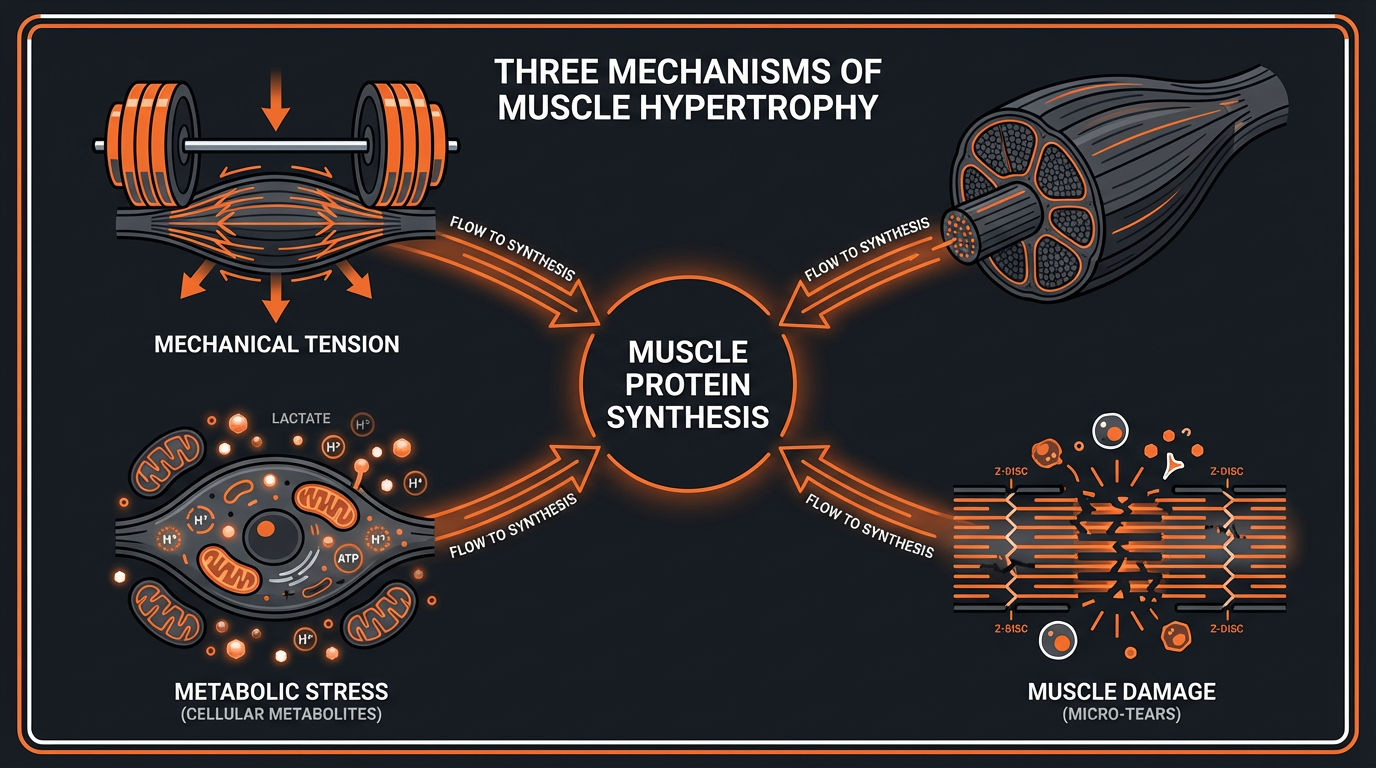
Incorporate 2-3 days of strength training per week focusing on compound movements such as squats, deadlifts, and bench presses. These exercises engage multiple muscle groups, promoting maximal muscle hypertrophy.
Maintain Endurance Workouts
Balance is key. Continue with endurance exercises, but consider reducing volume and intensity to prevent catabolism and injury. Keeping a steady routine of moderate cardio will help maintain cardiovascular fitness while you bulk.
Monitoring Progress and Adjustments
Regularly assess your progress with weekly weight check-ins and monthly body composition measurements. Tools like bioelectrical impedance scales can help track muscle mass versus fat gain. Make dietary and workout adjustments as needed to ensure you’re gaining predominantly muscle, not fat.
Conclusion
Bulking for endurance athletes requires a delicate balance between gaining mass and maintaining performance. With strategic planning, nutrient-rich diets, and well-crafted training programs, you can enhance your strength and endurance simultaneously.
If you’ve found these insights into Bulking for Endurance Athletes: Balancing Mass Gain with Performance valuable, subscribe to our newsletter for more tips on optimizing your athletic performance!
'''
Frequently Asked Questions
- Can endurance athletes bulk without losing cardio fitness?
- Yes, but you need to be strategic. Keep running or cycling volume at a maintenance level while adding 2-3 strength sessions per week. Eat at a moderate surplus of 300-500 calories over your total daily needs including cardio. Expect slower mass gains than a pure lifter.
- How many extra calories should an endurance athlete eat to bulk?
- Add 300-500 calories above your total expenditure, which already includes your cardio. Endurance athletes often underestimate how much they burn, so track carefully. If you're not gaining 0.5-1lb per week, bump calories up by another 200.
- Will gaining muscle slow me down as a runner or cyclist?
- A small amount of muscle in the right places actually improves performance through better force production and injury resilience. Gaining 5-10lbs of muscle won't noticeably hurt your times. Gaining 20+ lbs might, so keep the bulk controlled.
- Should endurance athletes use mass gainer shakes?
- Most mass gainers are just protein powder plus sugar. You'd be better off making your own shake with whey, oats, banana, and peanut butter. This gives you quality carbs and fats instead of maltodextrin. Plus it's way cheaper.