Bulking for Women: Strategies for Lean Muscle Gain Without Unwanted Fat
Bulking for women without unwanted fat: a gradual calorie increase plus smart protein, carb and fat choices that fuel lean muscle gain and bust the myths.
 Jeff·Aug 20, 2024·3 min read
Key Takeaways
- Increase calories gradually instead of doubling your intake overnight to avoid packing on fat.
- Eat 40% carbs, 30% protein, and 30% fats while focusing on whole foods like lean meats, complex carbs, and healthy fats.
- Stick to compound movements like squats, deadlifts, and bench press with progressive overload to build the most muscle.
- Track your body composition and measurements instead of just the scale since muscle weighs more than fat.
- Add some cardio to your routine to keep fat gain in check while still building muscle.
Get This on WhatsApp
Get a quick summary and link sent straight to your WhatsApp.
Send Me This ArticleWhen it comes to fitness goals, bulking for women has often been surrounded by myths and misconceptions. Many women fear that trying to gain muscle will result in unwanted fat. However, with the right strategies, you can achieve lean muscle gain while keeping excess fat at bay.
The Basics of Bulking for Women
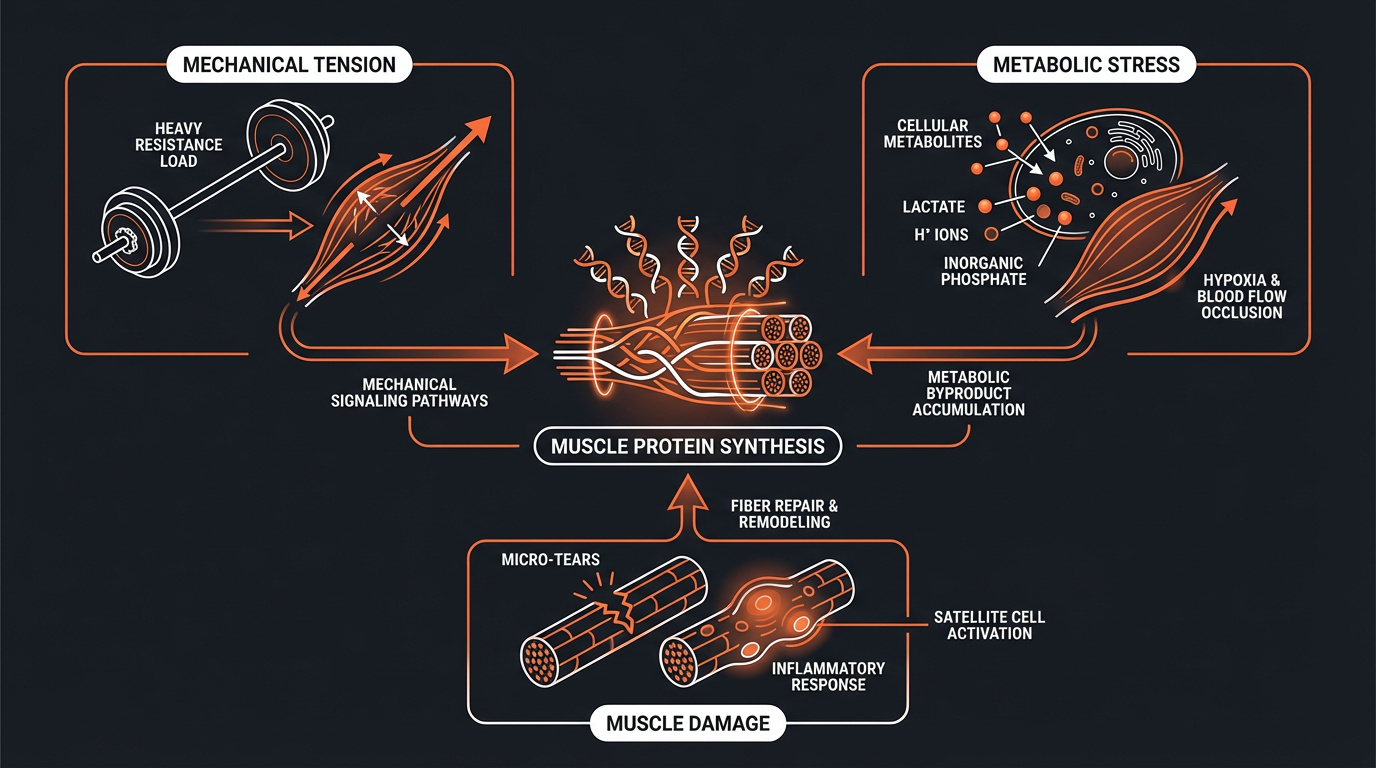
Bulking, at its core, means increasing your calorie intake to support muscle growth. This involves more than just eating more food; it's about strategic nutrition. You need to consume the right balance of macronutrients — proteins, fats, and carbohydrates — to fuel muscle gain without accumulating fat. According to a study by the National Institutes of Health, increased protein intake supports muscle synthesis, which is crucial for anyone looking to bulk up.
Key Nutritional Strategies
When bulking, it's essential to focus on a balanced diet that includes:
- •High-quality proteins (e.g., lean meats, fish, eggs, and legumes)
- •Complex carbohydrates (e.g., whole grains, fruits, and vegetables)
- •Healthy fats (e.g., avocados, nuts, and olive oil)
Here are some tips to ensure you're eating the right way:
- •Gradual Caloric Increase: Don't suddenly double your calorie intake. Instead, increase your calories gradually to avoid a rapid gain in fat.
- •Macronutrient Balance: Aim for a diet that consists of 40% carbohydrates, 30% protein, and 30% fats to support muscle growth and overall health.
- •Frequent Meals: Eating smaller, more frequent meals can help you reach your caloric goals without feeling too full.
Effective Training for Lean Muscle Gain
Your workout regimen should complement your nutrition plan. To build lean muscle, focus on strength training exercises that target all major muscle groups. Incorporate the following:
- •Compound Movements: Exercises like squats, deadlifts, and bench presses work multiple muscle groups simultaneously.
- •Progressive Overload: Gradually increase the weight or resistance in your workouts to continue challenging your muscles.
- •Recovery and Rest: Allow your muscles to recover by getting adequate rest and sleep, which is crucial for muscle synthesis.
A good training program might include:
- •Start with a warm-up to prepare your body for intense activity.
- •Include 3-4 sets of compound exercises with 8-12 reps each.
- •Finish with a cool-down and stretching to prevent injury and aid recovery.
Monitoring Progress and Adjusting as Needed
Tracking your progress is essential for bulking effectively. This includes:
- •Keeping a Food Journal: Documenting what you eat can help identify any nutritional gaps or areas for improvement.
- •Regular Measurements: Track changes in muscle mass and fat percentage rather than just weight.
- •Listening to Your Body: Adjust your caloric intake and training intensity based on how your body responds.
Remember, the process of bulking is very individualized. What works for one person may not work for another, so it's crucial to stay flexible and attentive to your body's signals.
Addressing Common Concerns
One of the most common concerns women have is gaining too much fat during the bulking phase. Here's how to address this:
- •Focus on Clean Bulking: Opt for nutrient-dense foods over calorie-dense junk food.
- •Stay Active: Incorporate some form of cardiovascular exercise to help manage fat gain without hindering muscle growth.
- •Consistency is Key: Consistency in both diet and exercise ensures steady progress and prevents unnecessary fat accumulation.
Conclusion & Call-to-Action
In conclusion, bulking for women is a viable strategy for achieving lean muscle gain without unwanted fat if done correctly. By following a balanced diet, maintaining an effective training regimen, and monitoring your progress, you can transform your body composition effectively.
If you're ready to start your bulking journey, take action today by creating a personalized plan that suits your goals. Remember, every step you take towards achieving your fitness goals is a step towards a healthier, stronger you.
Frequently Asked Questions
- How many calories should a woman eat to bulk?
- Most women need a surplus of about 150-250 calories above maintenance for a lean bulk. That's less than men because women have lower levels of muscle-building hormones and gain muscle more slowly. A surplus of 2000-2400 calories total is typical depending on size and activity level.
- Will bulking make women look bulky?
- No. Women have about 1/10th the testosterone of men, so building large amounts of muscle is extremely difficult without performance-enhancing drugs. What most women call "toned" is actually the result of building muscle and reducing body fat through a bulk/cut cycle.
- How long should a bulking phase last for women?
- Aim for 12-20 weeks. This gives you enough time to see meaningful muscle gain without accumulating too much fat. Follow it with a shorter 6-10 week cut to reveal what you've built.
- Should women train differently during a bulk?
- Not really. Train the same way you would for strength: heavy compound lifts, progressive overload, 3-5 days per week. The only difference is you're eating more to support growth. Don't fall into the trap of doing only light weights with high reps.
- Can women build muscle without gaining any fat?
- Some fat gain is normal and expected during a bulk, typically a 2:1 or 3:1 ratio of muscle to fat. Trying to gain zero fat usually means eating too little to actually build muscle. Accept a small amount of fat gain as part of the process.