Bulking with Food Allergies: Alternative Meal Plans for Special Diets
Bulking with food allergies: alternative meal plans and dairy, nut and gluten-free protein swaps so you can build muscle without triggering your allergens.
 Jeff·Aug 20, 2024·3 min read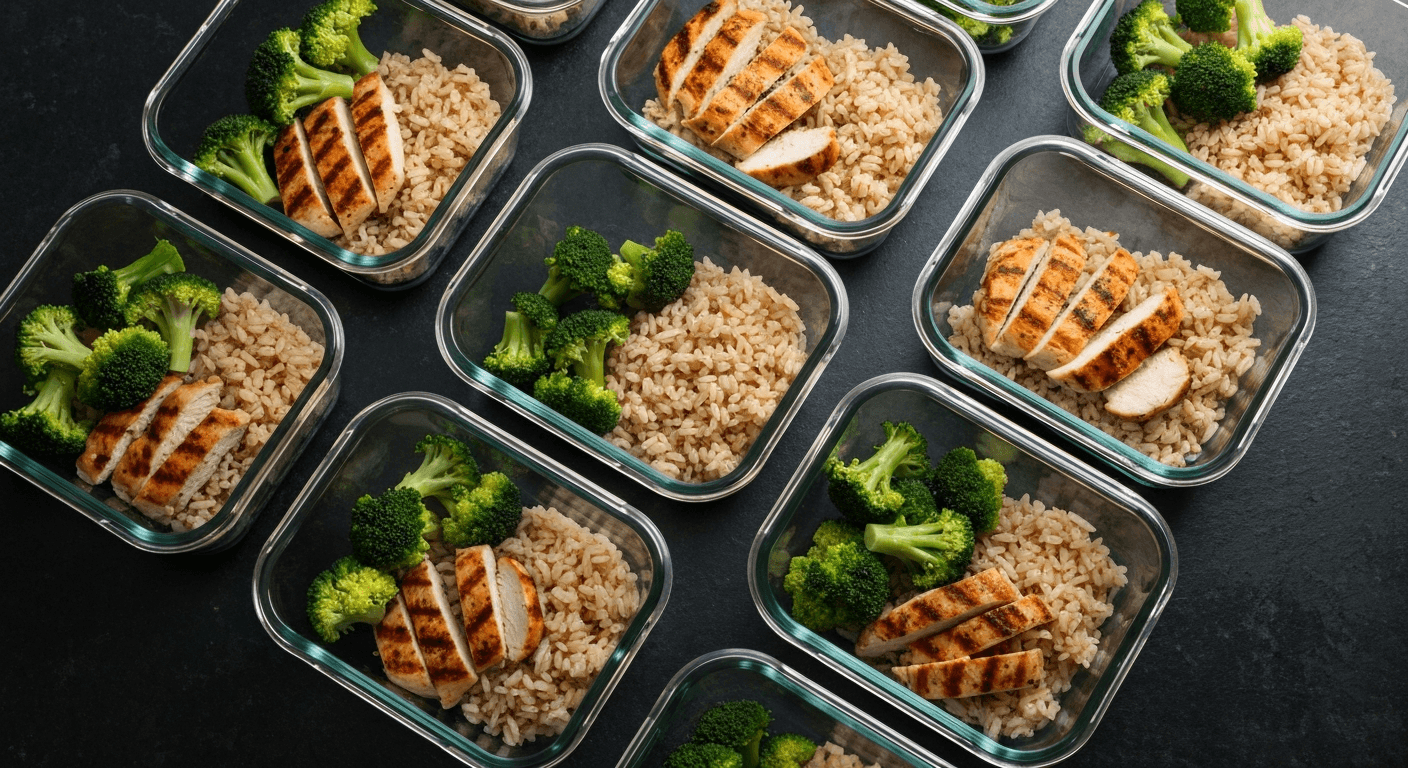
Key Takeaways
- You can absolutely bulk up with food allergies by swapping out problem foods for safe alternatives that pack the same nutritional punch.
- Plant proteins like beans, lentils, and quinoa can replace dairy and egg proteins while still giving you complete amino acid profiles for muscle growth.
- Sweet potatoes, brown rice, and certified gluten-free oats are solid carb sources that fuel your workouts without triggering common allergens.
- Healthy fats from avocados, olive oil, and chia seeds help with hormone production and calorie density when nuts are off the table.
- The key is planning meals around what you CAN eat rather than stressing about restrictions, and always work with a nutritionist to dial in your specific needs.
Get This on WhatsApp
Get a quick summary and link sent straight to your WhatsApp.
Send Me This ArticleBulking up is a common goal for many fitness enthusiasts, but when you have food allergies, it can feel like an insurmountable challenge. However, bulking with food allergies is entirely possible with the right planning and knowledge. In this article, we’ll explore alternative meal plans for special diets, so you can achieve your muscle-building goals without compromising your health.
Understanding Food Allergies and Bulking
Food allergies pose unique challenges for anyone looking to bulk up. Common allergens like dairy, nuts, and gluten can be significant sources of calories and nutrients. However, with some creativity and thorough planning, you can find alternative meal plans that cater to your dietary restrictions.
According to the Food Allergy Research & Education (FARE), an estimated 32 million Americans have food allergies. This makes it crucial to find safe, effective ways to create a bulking diet that avoids allergens.
Alternative Protein Sources
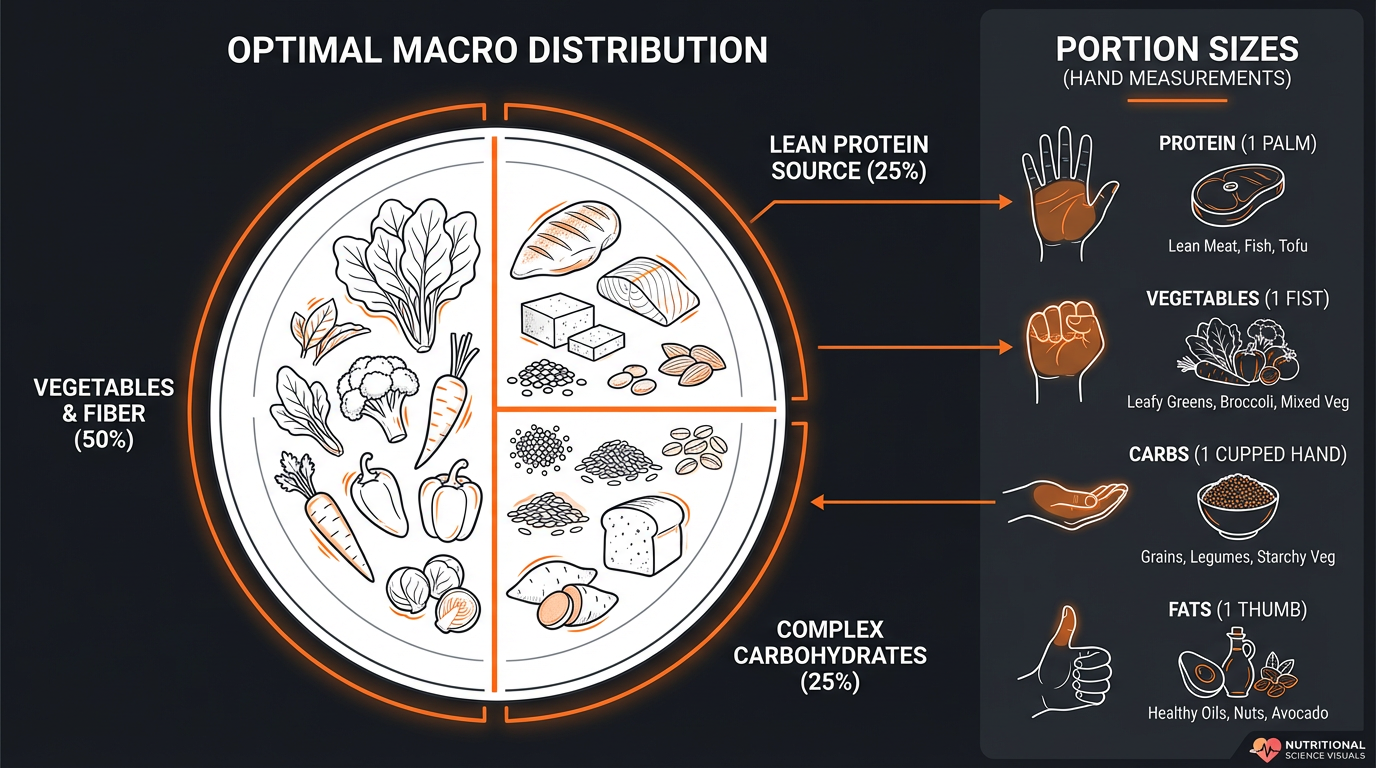
Protein is the cornerstone of any bulking diet, serving as the building blocks for muscle growth. When traditional sources like whey protein or eggs are off the table, consider these alternatives:
- •Plant-Based Proteins: Beans, lentils, and chickpeas are excellent sources of protein and fiber. They are both versatile and nutritious, fitting into many meal plans.
- •Meat and Fish: Lean meats like chicken breast, turkey, and fish like salmon provide high-quality protein without common allergens.
- •Quinoa: Known as a superfood, quinoa is a complete protein and gluten-free, making it an excellent substitute for those with gluten allergies.
Carbohydrate Alternatives
Carbohydrates are essential for energy, especially during intensive workouts. Here are some allergy-friendly carbohydrate sources:
- •Sweet Potatoes: These nutrient-dense tubers are rich in vitamins and provide a slow-releasing energy source.
- •Brown Rice: A gluten-free staple, brown rice is a great carb source for those with gluten intolerance.
- •Oats: Ensure you choose certified gluten-free oats if you have a gluten allergy. They are a flexible option for breakfasts and snacks.
Healthy Fats for Bulking
Incorporating healthy fats into your diet is crucial for hormone production and overall health. Consider these options:
- •Avocado: A nutrient-dense food rich in healthy fats, fiber, and various vitamins.
- •Olive Oil: A staple in many diets, olive oil is a heart-healthy fat that can be used in cooking or as a dressing.
- •Chia Seeds: Packed with omega-3s, fiber, and protein, chia seeds are a great addition to smoothies or yogurt.
Sample Meal Plan for Allergy-Friendly Bulking
Building a meal plan that fits your unique needs can help you stay on track. Here is a sample plan to get you started:
Breakfast: Gluten-free oats with chia seeds, almond milk, and fresh berries.
Lunch: Quinoa salad with black beans, avocado, cherry tomatoes, and a drizzle of olive oil.
Snack: Apple slices with sunflower seed butter.
Dinner: Baked salmon, sweet potato, and steamed broccoli.
Post-Workout: A smoothie with pea protein powder, banana, spinach, and almond milk.
This sample plan provides a balanced mix of proteins, carbohydrates, and fats, ensuring proper nutrition while avoiding common allergens.
Conclusion
Bulking with food allergies doesn't have to be complicated or frustrating. By understanding your nutritional needs and finding suitable alternatives, you can achieve your muscle-building goals safely. Always consult with a healthcare provider or nutritionist to tailor your diet plan to your specific requirements.
Ready to transform your fitness journey with specialized meal plans? Subscribe to our newsletter for more tailored nutrition tips and exclusive content!
'''
Frequently Asked Questions
- How do I bulk if I'm allergic to dairy?
- Swap whey for pea-rice protein powder, use oat or coconut milk for shakes, and lean on eggs, chicken, beef, and fish for protein. For high-calorie additions, coconut cream, avocado, nut butters (if tolerated), and olive oil make bulking easy without any dairy.
- Can you bulk with a nut allergy?
- Definitely. Sunflower seed butter and tahini are great nut-free alternatives for adding calories. Seeds like pumpkin, sunflower, and hemp provide fats and protein. Coconut products are also safe for most nut-allergy sufferers and are calorie-dense.
- What are good high-calorie foods for bulking with food allergies?
- Rice, potatoes, oats, avocado, olive oil, coconut oil, seeds, eggs (if tolerated), and fatty meats. These are all common allergen-free and calorie-dense. If you can handle them, sweet potatoes and bananas are also cheap bulking staples.
- How do I hit my protein target with multiple food allergies?
- Map out which protein sources you can tolerate and build meals around those. If you can eat meat and eggs, you're mostly fine. If you can't do dairy, soy, nuts, and eggs, focus on meat, fish, seeds, and a hypoallergenic protein powder like hydrolyzed rice protein.