Complete Guide to Protein Timing: When to Take Protein for Optimal Results
Protein timing guide: when to take protein for muscle growth. How pre- and post-workout intake boosts muscle protein synthesis, recovery and hypertrophy.
 Jeff·Aug 20, 2024·3 min read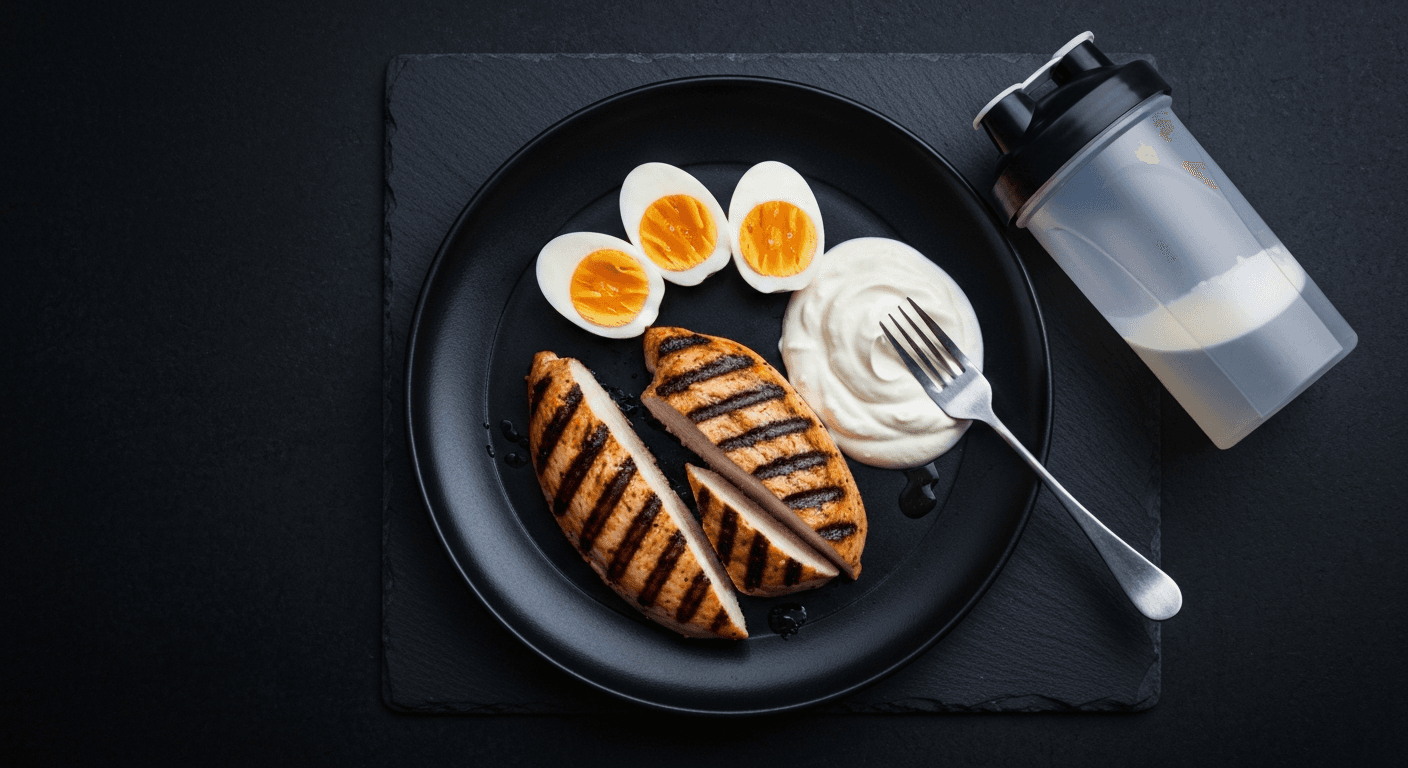
Key Takeaways
- Eat 20-30 grams of protein 30-60 minutes before your workout to fuel your muscles and prevent breakdown during training.
- Hit 20-40 grams of protein within an hour after your workout to maximize muscle protein synthesis and speed up recovery.
- Take 20-40 grams of slow-digesting casein protein before bed to feed your muscles amino acids all night while you sleep.
- Spread your protein evenly across all meals throughout the day to stay full longer and control hunger cravings.
Get This on WhatsApp
Get a quick summary and link sent straight to your WhatsApp.
Send Me This ArticleWhen it comes to maximizing your workout gains, the concept of protein timing can be a game-changer. Understanding when to take protein for optimal results can help you achieve your fitness goals more efficiently. This complete guide delves into the best practices for protein timing, supported by current research and expert opinions.
Why Protein Timing Matters
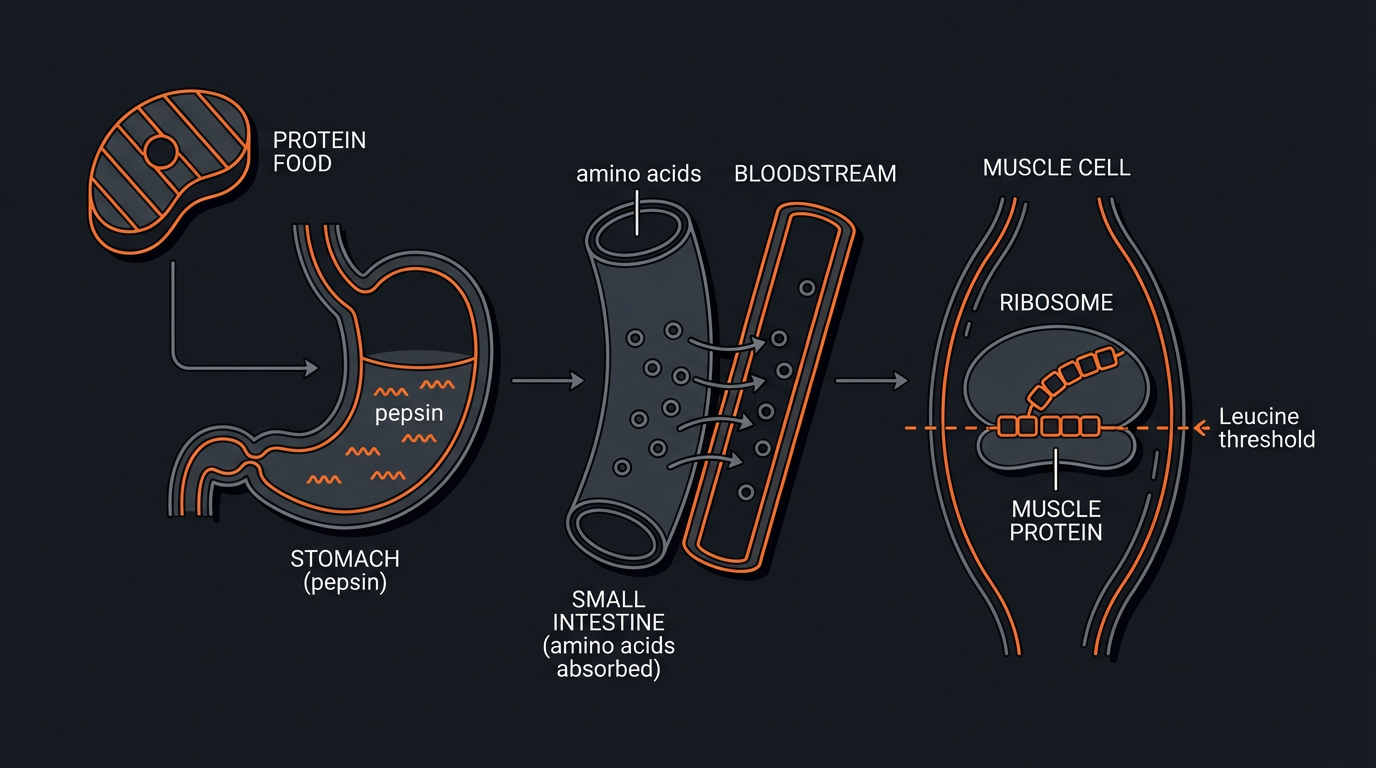
Protein timing refers to the strategic intake of protein throughout the day to optimize muscle repair and growth. Studies have shown that the timing of protein consumption can impact muscle protein synthesis (MPS), which is critical for muscle recovery and hypertrophy.
According to a research study published in the *Journal of the International Society of Sports Nutrition*, consuming protein before and after a workout significantly enhances MPS, compared to having it at other times. This highlights the importance of timing for those looking to build or maintain muscle mass.
Pre-Workout Protein: Fueling Your Session
Taking protein before your workout can provide a steady amino acid supply to your muscles. This can help minimize muscle breakdown during intense exercise. A pre-workout protein shake or snack 30-60 minutes before exercising can be hugely beneficial.
- •Recommendation: Consume 20-30 grams of high-quality protein from sources like whey protein, chicken breast, or Greek yogurt.
This approach not only fuels your muscles but also sets a solid foundation for post-workout recovery.
Post-Workout Protein: Accelerating Recovery
The post-workout window is often referred to as the "anabolic window," a critical time for nutrient absorption. Consuming protein within 30-60 minutes post-exercise can significantly enhance MPS and accelerate recovery.
- •Consume 20-40 grams of protein immediately after your workout.
- •Pair your protein intake with carbohydrates to replenish glycogen stores.
For instance, a protein shake with whey protein and a banana can be a quick and effective post-workout meal. This combination helps in muscle repair and replenishment of energy stores, contributing to better performance in subsequent workouts.
Bedtime Protein: Support Overnight Recovery
During sleep, your body undergoes repair and growth processes. Consuming protein before bed can provide a steady supply of amino acids, supporting overnight muscle recovery.
Research suggests that casein protein, which digests slowly, is an excellent choice for bedtime protein. It releases amino acids gradually, keeping your muscles nourished throughout the night.
Recommendation: Have 20-40 grams of casein protein 30-60 minutes before sleeping. Sources include casein protein powder, cottage cheese, and slow-digesting dairy products.
Protein Timing for Weight Management
While muscle growth and recovery are vital, protein timing also plays a role in weight management. Consuming protein at regular intervals can help control hunger and reduce cravings, aiding in weight loss or maintenance.
A study from the *American Journal of Clinical Nutrition* found that high-protein diets enhance satiety, reducing overall calorie intake. Spacing protein intake evenly across meals can promote a feeling of fullness throughout the day, making it easier to adhere to a balanced diet.
Protein Timing Tips:
- •Distribute protein intake evenly across all meals.
- •Include a protein source in every snack to keep hunger at bay.
- •Opt for high-quality, lean protein sources like fish, beans, and eggs.
Summary and Call-to-Action
In this complete guide to protein timing, we've explored the best times to consume protein for optimal results. From pre-workout fueling and post-workout recovery to overnight support and weight management, strategic protein intake can significantly enhance your fitness journey. Remember to listen to your body's needs and consult with a nutritionist or fitness expert to tailor a protein timing plan that suits your goals.
If you're ready to maximize your workout gains and improve recovery, start implementing these protein timing strategies today. For more personalized advice, consider reaching out to a fitness coach or nutritionist to refine your approach.
Optimize your protein intake and witness remarkable results in your fitness journey!
Frequently Asked Questions
- Does protein timing really matter for muscle growth?
- Much less than total daily intake. If you eat 0.7-1g per pound spread across 3-5 meals, you're covering all your bases. Timing fine-tuning might account for a 1-2% difference at best. Focus on hitting your daily number first.
- How should I spread my protein throughout the day?
- Aim for 25-40g of protein per meal across 3-5 meals spaced 3-5 hours apart. This keeps muscle protein synthesis elevated more consistently than eating one or two huge protein meals. Even distribution beats front-loading or back-loading.
- Is protein before bed good for muscle growth?
- Yes, casein before bed is one of the few timing strategies with solid research behind it. A slow-digesting protein like casein or cottage cheese before sleep provides amino acids during the overnight fast when your body does most of its repair work.
- Should I eat protein before a workout?
- Having protein 1-3 hours before training is smart because it means amino acids are available during and after your session. It doesn't need to be a shake; a regular meal with protein works just as well. Just don't train on a completely empty stomach if you can avoid it.