Myofibrillar vs. Sarcoplasmic Hypertrophy: Targeting Different Muscle Growth
Myofibrillar vs sarcoplasmic hypertrophy: how heavy low-rep lifting builds dense, force-producing fibers while higher reps add muscle size and volume.
 Jeff·Aug 20, 2024·3 min read
Key Takeaways
- Myofibrillar hypertrophy builds actual muscle strength by increasing the contractile parts of muscle fibers through heavy weights and low reps.
- Sarcoplasmic hypertrophy creates bigger looking muscles by increasing fluid in muscle cells but doesn't add much strength.
- Train with 80-90% of your max for 3-5 reps to target strength gains from myofibrillar growth.
- Use 60-70% of your max for 8-12 reps to get that pumped look from sarcoplasmic growth.
- Most people should cycle between both training styles to get bigger AND stronger muscles.
Get This on WhatsApp
Get a quick summary and link sent straight to your WhatsApp.
Send Me This ArticleWhen it comes to achieving your fitness goals, understanding the mechanics of myofibrillar vs. sarcoplasmic hypertrophy plays a crucial role in targeting different muscle growth. These two types of hypertrophy define the way your muscles increase in size, but they do so through different processes. Whether you're an athlete aiming for strength or someone looking to bulk up, knowing the differences can help you tailor your training routine for the best results.
What is Myofibrillar Hypertrophy?
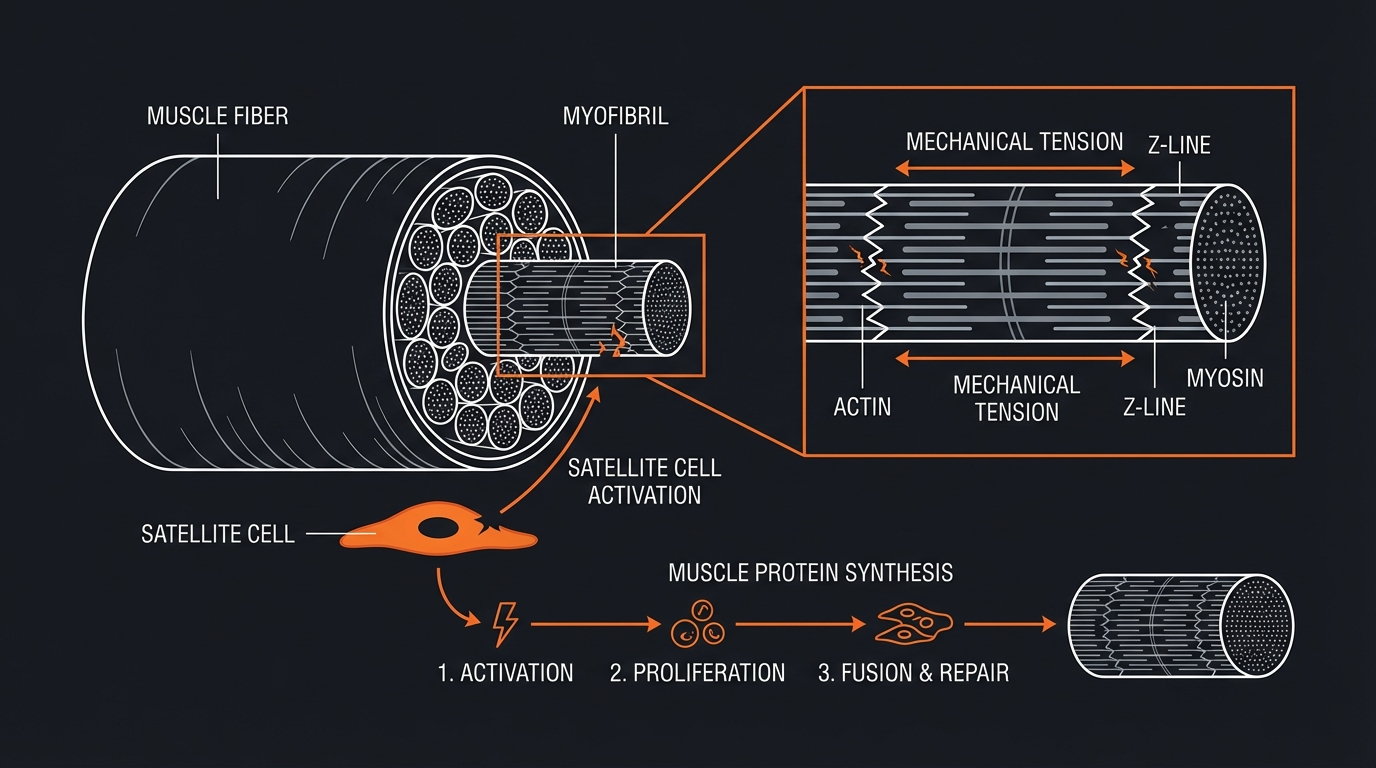
Myofibrillar hypertrophy involves the growth of muscle fibers themselves. It contributes to the increase in the density and number of the myofibrils, the contractile parts of muscle cells. This type of hypertrophy results in *actual muscle strength* and functional power. Typically, myofibrillar hypertrophy is achieved through high-intensity, low-repetition weight training exercises.
In simpler terms, if you imagine your muscle as a group of rubber bands, myofibrillar hypertrophy increases the bandwidth, making these bands stronger and more capable of generating force. This means athletes focusing on strength, such as powerlifters, benefit greatly from this type of muscle growth.
Training for Myofibrillar Hypertrophy
To target myofibrillar hypertrophy:
- •Perform weight training with heavy loads (80-90% of your one-rep max)
- •Keep repetitions low (3-5 reps per set)
- •Include compound movements like squats, deadlifts, and bench presses
What is Sarcoplasmic Hypertrophy?
Sarcoplasmic hypertrophy, on the other hand, focuses on increasing the volume of the sarcoplasm, the fluid found in muscle cells. This leads to larger muscle size but does not contribute as much to muscle strength. It's akin to inflating a balloon; the muscles expand in volume, offering that coveted "pumped" look. Sarcoplasmic hypertrophy is typically achieved through high-volume, moderate-load training.
For bodybuilders or those looking to add bulk and definition to their muscles, sarcoplasmic hypertrophy is the target. This type of hypertrophy emphasizes endurance and the muscle's ability to store energy.
Training for Sarcoplasmic Hypertrophy
To target sarcoplasmic hypertrophy:
- •Use moderate weights (60-70% of your one-rep max)
- •Perform higher repetitions (8-12 reps per set)
- •Include isolation exercises such as bicep curls and leg extensions
How to Balance Both Types of Hypertrophy
For most athletes and fitness enthusiasts, a balance between myofibrillar and sarcoplasmic hypertrophy is ideal. This balanced approach can lead to both increased muscle size and enhanced strength. Here are a few tips:
- •Cycle your training programs between low-rep, high-weight sessions and high-rep, moderate-weight sessions.
- •Incorporate both compound movements and isolation exercises.
- •Ensure adequate recovery and nutrition, as muscles grow during rest periods.
Practical Tips for Targeting Different Muscle Growth
Achieving a balance between the two types of hypertrophy requires strategic planning:
- •Consult with a fitness expert: A certified trainer can help design a plan suited to your individual goals.
- •Track progress: Use a journal to note down your workouts, weights, and reps to monitor your advancement.
- •Focus on form: Proper form minimizes injury risk and ensures the muscle is being engaged correctly.
For instance, John, a 30-year-old powerlifter, tailored his training to include both low-rep heavy lifting and high-rep lighter sessions. Over six months, he saw improvements in both muscle mass and strength, allowing him to perform better in competitions.
Conclusion: The Best Approach for You
Understanding myofibrillar vs. sarcoplasmic hypertrophy is crucial for hitting your fitness targets. Whether you aim for functional strength or muscle size, knowing how to manipulate these types of hypertrophy can enhance your training effectiveness.
Ready to start tailoring your workout for maximum muscle growth? Contact a fitness professional today to create a personalized plan that hits all your goals! Don’t forget to share your progress and stay committed—your dream physique is just around the corner!
Frequently Asked Questions
- What is the difference between myofibrillar and sarcoplasmic hypertrophy?
- Myofibrillar hypertrophy grows the actual muscle fibers making you stronger and denser. Sarcoplasmic hypertrophy increases the fluid and energy stores around the fibers, giving more of a pumped, full look.
- Which type of hypertrophy makes you look bigger?
- Sarcoplasmic hypertrophy adds more visible size faster because it increases muscle volume through fluid and glycogen. Think of the difference between a powerlifter's dense muscle and a bodybuilder's full, round look.
- How do you train for myofibrillar hypertrophy specifically?
- Heavy weights in the 3-6 rep range with full rest periods. Think powerlifting-style training — heavy squats, deadlifts, and bench press. This builds the contractile proteins that make muscles strong and dense.
- Can you get both types of hypertrophy at the same time?
- Yes, and any good program does both. Start your workout with heavy compounds (3-6 reps) for myofibrillar growth, then finish with lighter, higher-rep pump work (12-20 reps) for sarcoplasmic growth.