Nutrition Myths Debunked: Separating Fact from Fiction in Diet Culture
Nutrition myths debunked: carbs are not the enemy and fat does not make you fat. Cut through diet-culture noise with food choices backed by real evidence.
 Jeff·Aug 20, 2024·3 min read
Key Takeaways
- Carbs aren't evil - stick to complex carbs like brown rice and oats instead of sugary junk for steady energy.
- Healthy fats from avocados, nuts, and olive oil are essential for your brain and hormones, so don't cut them out.
- Skip the detox diets because your liver and kidneys already handle that job naturally.
- Eating too little will tank your metabolism, so focus on eating quality nutrient-dense foods instead of just cutting calories.
- Always check with actual science and healthcare pros before making major diet changes instead of following random diet trends.
Get This on WhatsApp
Get a quick summary and link sent straight to your WhatsApp.
Send Me This ArticleWelcome to the world of nutrition, where numerous myths mingle with facts, often making it difficult to know what to believe. With the ever-growing diet culture, it's crucial to discern what's beneficial for your health from misleading information. In this article, we'll debunk some common nutrition myths to help you make informed food choices and achieve a healthier lifestyle.
Myth #1: Carbs Are the Enemy
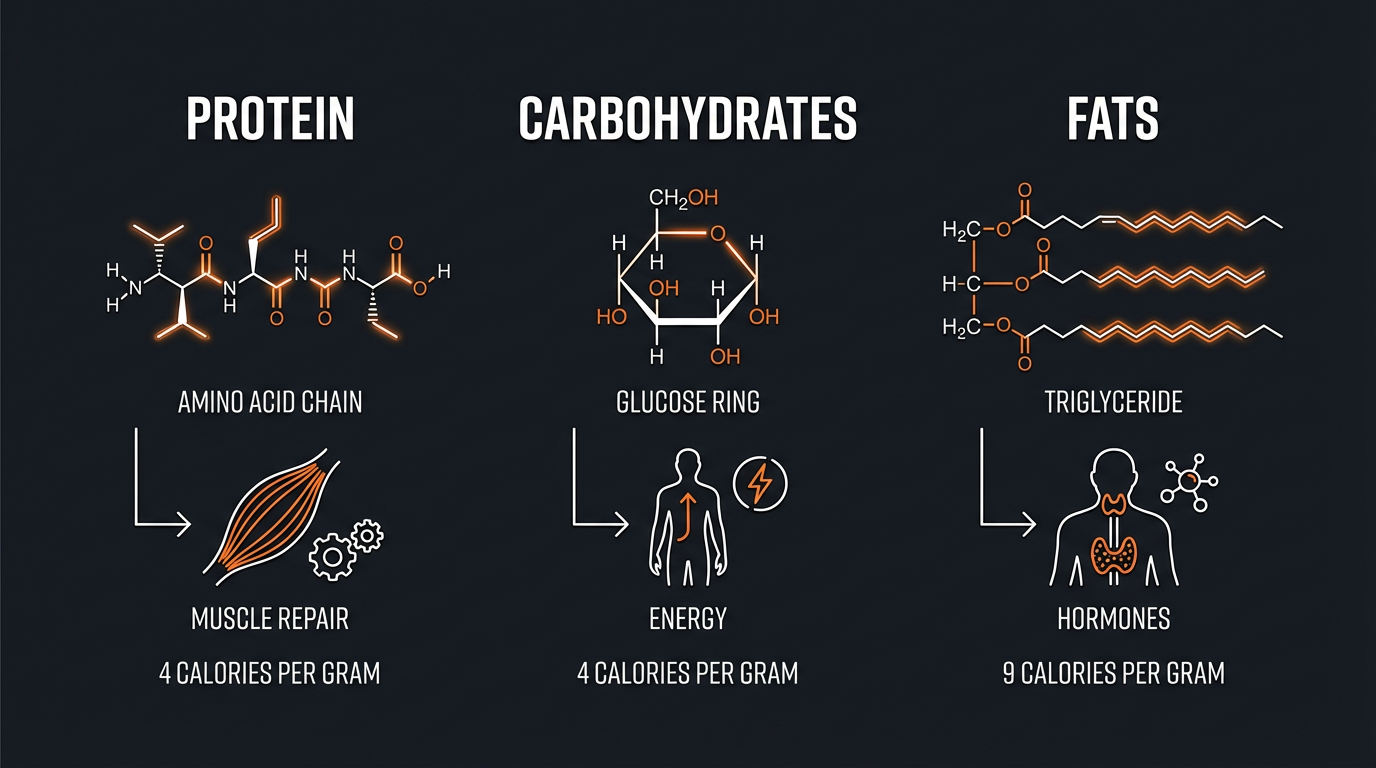
One of the most pervasive myths in modern diet culture is that carbohydrates are the root of all dietary evils. However, this is far from the truth. Carbohydrates are the body's primary source of energy. Cutting them out entirely can lead to energy depletion and nutrient deficiencies.
It's important to differentiate between simple carbohydrates found in sugary snacks and complex carbohydrates found in whole grains, fruits, and vegetables. While simple carbs can lead to spikes in blood sugar, complex carbs provide sustained energy and are rich in essential nutrients.
- •Choose whole grains like brown rice, quinoa, and oats.
- •Incorporate a variety of fruits and vegetables into your diet.
- •Avoid excessive intake of sugary snacks and beverages.
Myth #2: Fats Make You Fat
Another common misconception is that all fats are bad and will inevitably lead to weight gain. However, healthy fats are crucial for brain health, hormone production, and absorbing fat-soluble vitamins (A, D, E, and K).
Distinguish between unhealthy trans fats found in fried foods and baked goods and healthy fats found in foods like avocados, nuts, seeds, and olive oil. Including these healthy fats can actually help you maintain a balanced diet and support overall health.
Types of Healthy Fats
- •Monounsaturated Fats: Found in olive oil, avocados, and nuts.
- •Polyunsaturated Fats: Found in fish, flaxseeds, and walnuts.
- •Omega-3 Fatty Acids: Found in salmon, chia seeds, and canola oil.
Myth #3: Detox Diets Are Necessary
The concept of detox diets has gained massive popularity, with claims of cleansing the body and promoting weight loss. However, the human body is inherently equipped with a sophisticated detoxification system involving the liver, kidneys, and digestive tract.
Instead of relying on restrictive and often nutritionally deficient detox diets, focus on maintaining a balanced diet rich in whole foods, staying hydrated, and engaging in regular physical activity. According to a report from the National Institutes of Health, diets heavily reliant on detoxifying are largely unsupported by scientific evidence.
Myth #4: You Need to Eat Less to Lose Weight
While calorie reduction is a component of weight loss, excessively cutting calories can backfire by slowing your metabolism and leading to nutrient deficiencies. It's more productive to focus on quality over quantity.
Replace empty-calorie foods with nutrient-dense options. For example, instead of snacking on chips, opt for a handful of almonds. Incorporate a balanced mix of proteins, healthy fats, and complex carbohydrates into every meal to keep yourself full and energized.
Debunking the Myths Together
It's not just about separating fact from fiction—it's about empowering yourself with knowledge to make smarter choices. Whether it's understanding the importance of complex carbs or recognizing the benefit of healthy fats, debunking these nutrition myths helps create a well-rounded approach to diet and wellness.
As a take-home message, always rely on scientifically-supported information and consult healthcare professionals when making significant changes to your diet. Remember, the goal is to nourish your body, not to deprive it.
Conclusion
In the sea of misinformation, separating fact from fiction in diet culture is essential for maintaining a healthy lifestyle. By debunking common nutrition myths, you empower yourself to make informed, beneficial choices. If you found this information helpful, consider subscribing to our newsletter for more health tips and updates.
Take action now: Share this article with your friends and family to spread the truth about nutrition myths. Together, we can foster a more informed and healthier community.
Frequently Asked Questions
- Does eating after 8 PM cause weight gain?
- No. Total daily calories determine weight gain or loss, not the time you eat them. Your body doesn't have a switch that converts food to fat after a certain hour. Eat when it fits your schedule.
- Is breakfast really the most important meal of the day?
- That claim came from cereal companies in the early 1900s. If you're not hungry in the morning, skipping breakfast is perfectly fine. What matters is your total protein and calorie intake over the whole day.
- Do you need to eat every 2-3 hours to keep your metabolism up?
- This is one of the most persistent myths in fitness. Meal frequency has almost no effect on metabolic rate. Whether you eat 2 meals or 6 meals, if the total calories and protein are the same, the results will be the same.
- Are carbs bad for you?
- Carbs are your body's preferred fuel source for intense training. Cutting carbs makes your workouts feel awful and tanks your performance. Eat carbs around your training, prioritize whole sources like rice, oats, and potatoes, and stop demonizing an entire macronutrient.