Protein Myths Debunked: Separating Fact from Fiction in Supplement Marketing
Protein myths debunked: not all powders are equal. See how whey isolate, pea and soy differ in amino acids so you can cut through supplement marketing.
 Jeff·Aug 20, 2024·3 min read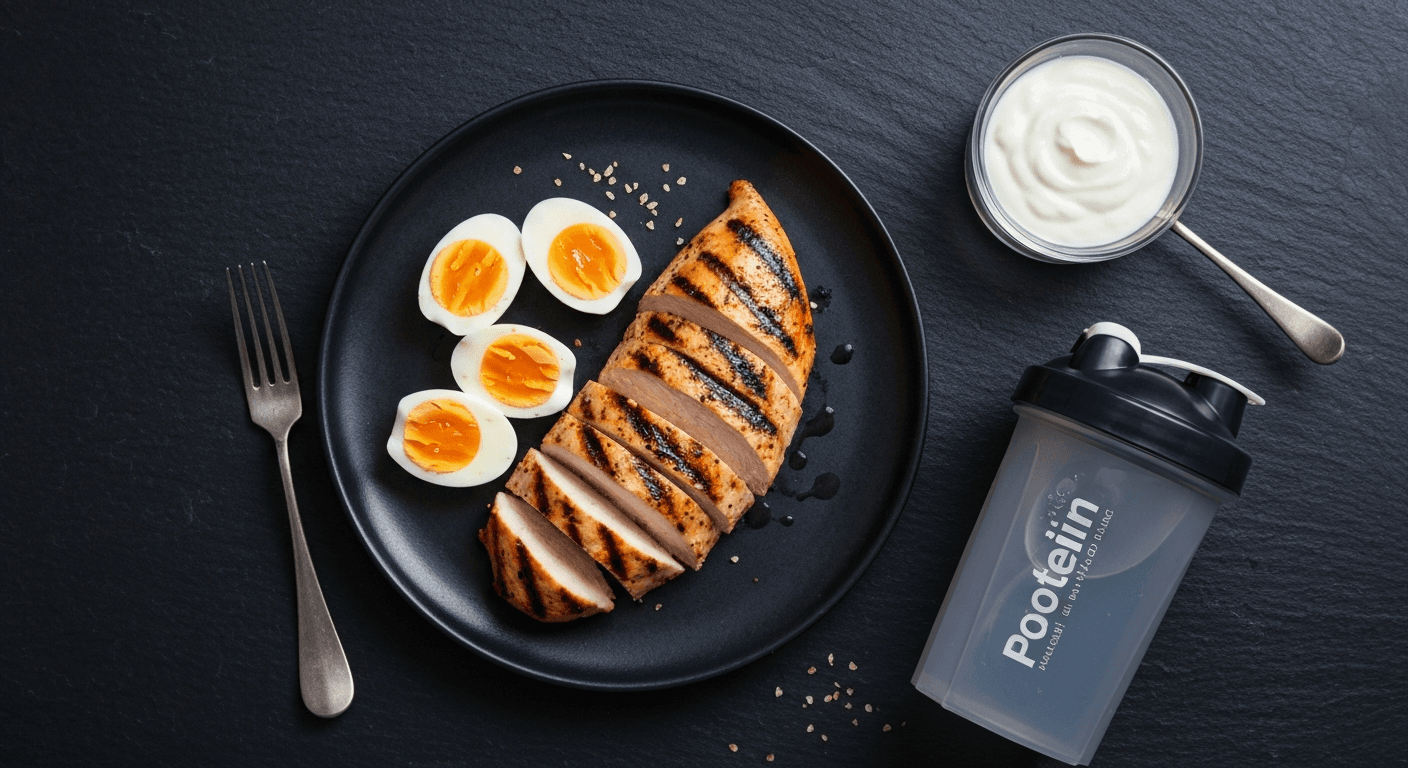
Key Takeaways
- Whey protein contains all nine essential amino acids while plant proteins like pea or soy might be missing some, so check your labels based on your goals.
- Your body can only use about 1.6 grams of protein per kilogram of bodyweight for muscle building, and eating more than that just gets stored as fat or pissed out.
- You can build muscle just fine eating chicken, fish, eggs, and other whole foods without ever touching a protein powder.
- Protein supplements won't wreck your kidneys if you're healthy and stick to normal amounts, despite what some people claim.
Get This on WhatsApp
Get a quick summary and link sent straight to your WhatsApp.
Send Me This ArticleWith the booming fitness and health industry, protein supplements have become a staple for many health-conscious individuals. Unfortunately, the abundance of marketing hype has led to widespread misconceptions about protein. This article aims to provide a clear understanding by debunking protein myths, helping you make informed decisions. Let's dive into Protein Myths Debunked: Separating Fact from Fiction in Supplement Marketing.
Myth 1: All Protein Supplements Are Created Equal
One of the most pervasive myths in the supplement industry is that all protein powders are the same. This could not be further from the truth. Protein supplements vary significantly in terms of source, quality, and nutritional value. For example, whey protein isolated differs significantly from plant-based protein supplements.
Whey protein is derived from milk and is a complete protein, meaning it contains all nine essential amino acids necessary for muscle repair and growth. On the other hand, plant-based proteins like pea or soy protein may lack one or more essential amino acids. It's crucial to check the ingredient list and choose a supplement that aligns with your dietary needs and health goals.
Practical Tip:
- •Always read the labels to ensure you're getting a product that meets your dietary and nutritional requirements.
- •Consult with a nutritionist for personalized advice on the best type of protein for you.
Myth 2: More Protein Means More Muscle
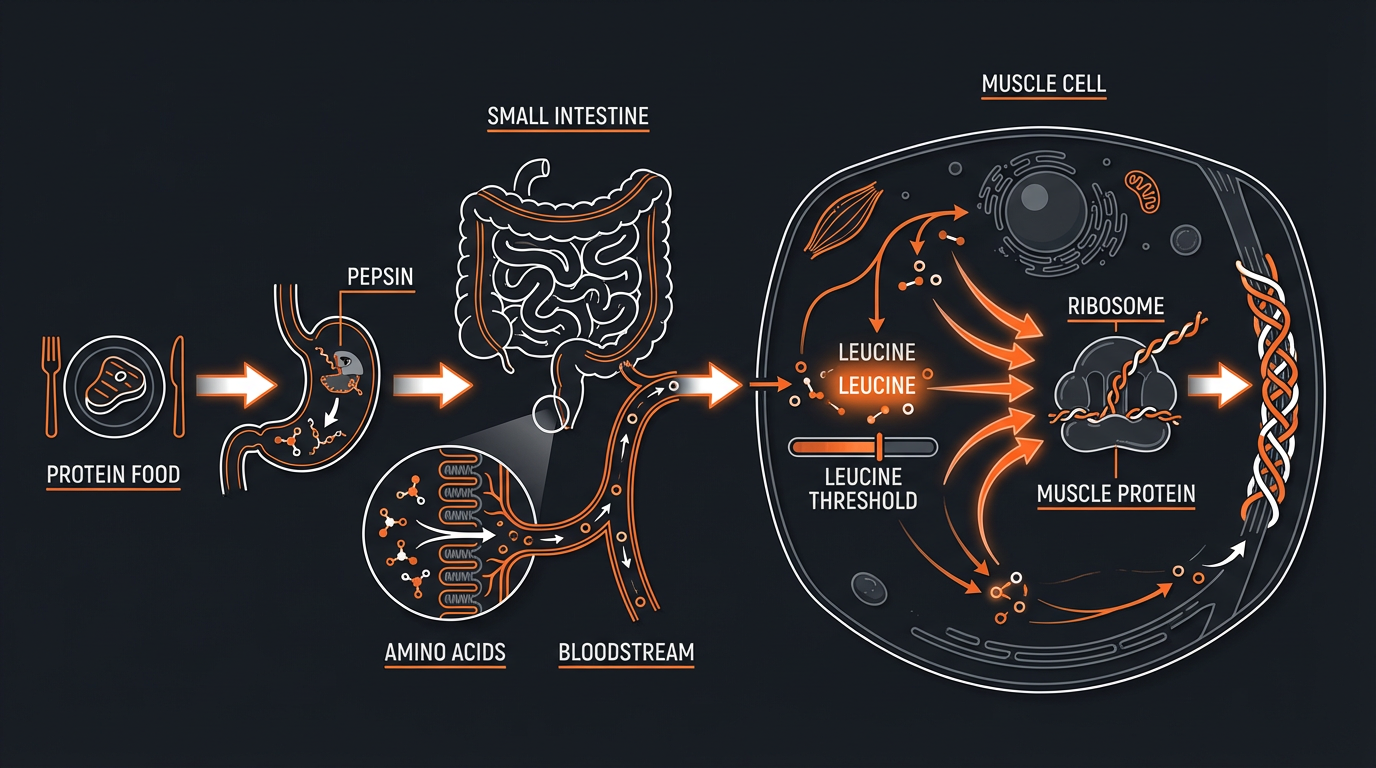
Another common misconception is that the more protein you consume, the more muscle you will gain. While protein is essential for muscle repair and growth, overconsumption doesn't necessarily lead to increased muscle mass. The body can only utilize a certain amount of protein at a time, and any excess is either stored as fat or excreted.
A study published in the *Journal of the International Society of Sports Nutrition* found that consuming more than 1.6 grams of protein per kilogram of body weight didn't result in additional muscle gain (Source: JISSN). Thus, sticking to the recommended daily amount is usually sufficient.
Anecdote:
A friend of mine, a recreational weightlifter, upped his protein intake drastically, believing it would accelerate his gains. Instead, he noticed minimal changes and ended up with digestive issues. It was a classic case of falling for marketing gimmicks.
Myth 3: You Need Protein Supplements to Build Muscle
It's easy to believe that protein supplements are a necessity for muscle building due to targeted marketing, but that's not true. You can get all the protein you need from your diet. Foods like chicken, fish, eggs, dairy, legumes, and nuts are excellent sources of protein. Supplements are convenient but not essential.
Practical Tip:
- •Plan your meals to include high-protein foods.
- •Use supplements only when you can't meet your protein needs through diet alone.
- •Balance protein intake with other vital nutrients for overall health.
Myth 4: Protein Supplements Are Harmful
Some caution that protein supplements are bad for your health, causing kidney damage or other issues. While excessive protein consumption can strain the kidneys, studies suggest that moderate use of protein supplements is safe for healthy individuals. Always follow dosage recommendations and consult a healthcare provider if you have preexisting conditions.
A review by the National Kidney Foundation found no adverse effects of protein supplementation in healthy adults within recommended levels (Source: National Kidney Foundation).
Conclusion: Making Informed Choices
In the world of fitness and health, separating fact from fiction is crucial. By debunking these protein myths, we hope you can make well-informed choices. Remember, understanding your specific needs and being skeptical of marketing hype can go a long way. Choose wisely and consult experts to optimize your health and fitness journey.
Call-to-Action: Interested in learning more about how to achieve your fitness goals healthily? Subscribe to our newsletter for expert tips and advice delivered straight to your inbox!
Frequently Asked Questions
- Will too much protein hurt my bones?
- No, this is a myth from the 1990s. The theory was that protein leaches calcium from bones, but modern research shows the opposite. Higher protein intake actually supports bone density, especially when combined with resistance training.
- Do women need less protein than men?
- Per pound of bodyweight, no. Women benefit from the same relative protein intake as men, around 0.7-1g per pound. The absolute amount is often lower simply because women tend to weigh less. Don't let anyone tell you high protein is just for guys.
- Is plant protein inferior to animal protein for muscle?
- On a gram-for-gram basis, most individual plant proteins have lower leucine and digestibility. But when you eat enough total protein from varied plant sources, the muscle-building results are very similar. It just takes a bit more effort to plan meals.
- Does protein powder make you bulky?
- Protein powder is just food in powder form. It doesn't make you bulky any more than eating chicken breast does. Getting bulky requires years of dedicated heavy training, calorie surplus, and genetic predisposition. A scoop of whey won't accidentally turn you into a bodybuilder.