Protein Supplements for Seniors: Maintaining Muscle Mass as You Age
Protein supplements help seniors fight anabolic resistance and preserve muscle mass with convenient, easy-to-digest whey, casein and soy as the body ages.
 Jeff·Aug 20, 2024·3 min read
Key Takeaways
- Seniors need way more protein than younger people because their bodies suck at using it efficiently due to something called anabolic resistance.
- Aim for 1.2 to 1.5 grams of protein per kilogram of body weight daily instead of the basic 0.8 grams most people follow.
- Whey protein is king because it has the highest biological value, but plant proteins work fine if you can't do dairy.
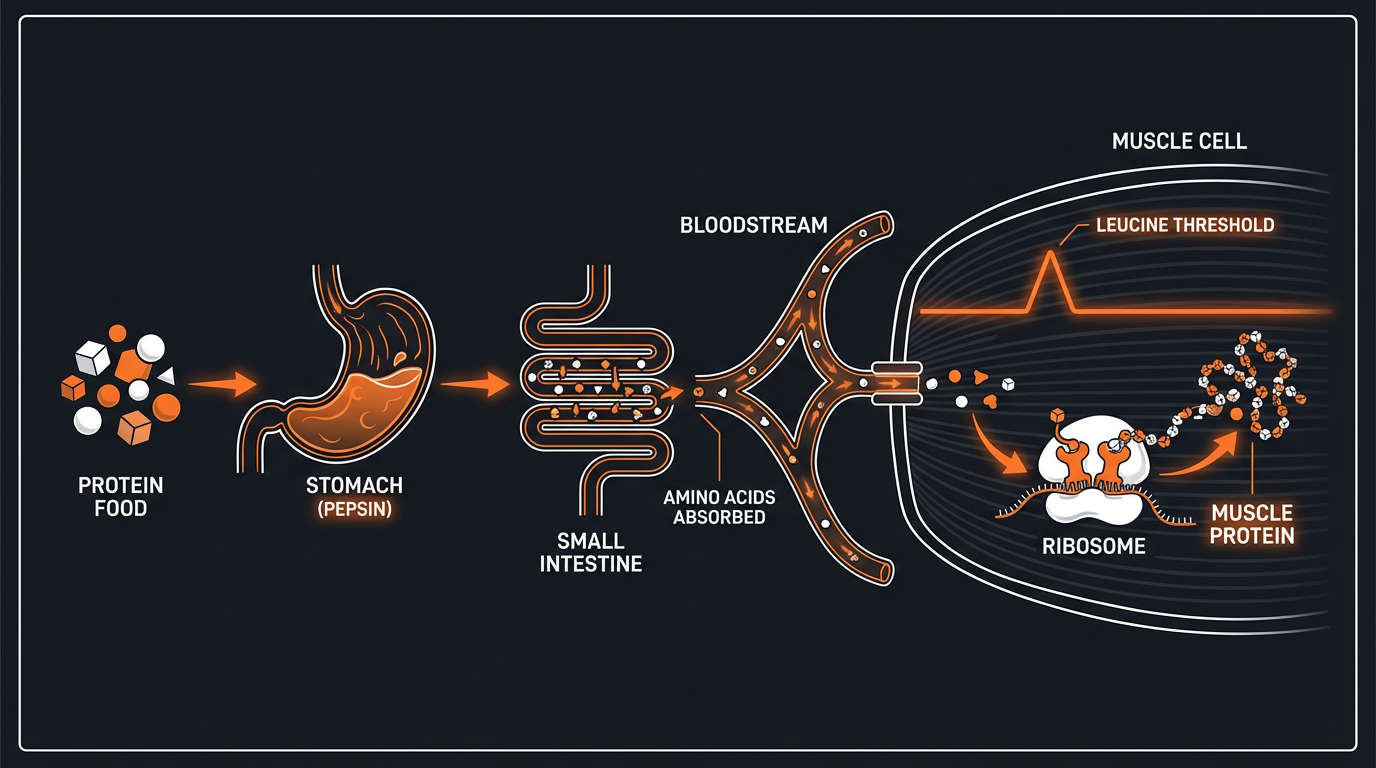
- Make sure your protein powder has leucine since that amino acid is what actually triggers muscle building.
- Drink your protein shake within 30 minutes after working out to get maximum muscle repair benefits.
Get This on WhatsApp
Get a quick summary and link sent straight to your WhatsApp.
Send Me This ArticleAging brings a variety of challenges, one of which is maintaining muscle mass. The importance of muscle health cannot be overstated, especially for seniors. This is where protein supplements for seniors come into play. These supplements can help bridge the gap between dietary intake and the elevated protein needs that come with aging.
Why Protein is Essential for Seniors
Protein is pivotal for muscle repair, immune function, and overall health. As we age, our bodies become less efficient at using protein, a condition often referred to as "anabolic resistance." According to a study published in the Journal of Clinical Nutrition, seniors require more protein to achieve the same muscle-building effects that younger adults experience.
The Importance of Protein Supplements
Given the increased protein needs, many seniors turn to protein supplements to ensure they're getting enough. But why are these supplements so beneficial?
- •Convenience: Protein powders and shakes are quick and easy to prepare.
- •High-Quality Protein: Supplements often contain high-quality protein sources like whey, casein, and soy.
- •Digestibility: Easier to digest than whole foods, making them ideal for aging digestive systems.
Choosing the Right Protein Supplement
Not all protein supplements are created equal. Here's what seniors should look for when choosing a protein supplement:
- •Protein Source: Whey is often recommended due to its high biological value, but plant-based proteins can also be effective for those with dietary restrictions.
- •Amino Acid Profile: Ensure the supplement contains all essential amino acids, particularly leucine, which plays a critical role in muscle protein synthesis.
- •Digestibility: Opt for products that are easy on the stomach to avoid discomfort.
How Much Protein Do Seniors Need?
Understanding the right amount of protein intake is crucial. The Recommended Dietary Allowance (RDA) for protein is 0.8 grams per kilogram of body weight per day, but experts suggest that seniors may benefit from 1.2 to 1.5 grams per kilogram. For example, a 70 kg senior should aim for around 84 to 105 grams of protein daily. Always consult with a healthcare provider to determine individual needs.
Incorporating Protein Supplements Into Your Diet
Here are some practical tips for adding protein supplements to a senior's daily diet:
- •Morning Smoothie: Add a scoop of protein powder to your morning smoothie for a nutritious start.
- •Post-Workout Shake: Consume protein within 30 minutes of exercise to maximize muscle repair.
- •Evening Snack: Mix protein powder into yogurt for a protein-rich nighttime snack.
Addressing Common Concerns
Many seniors worry about the safety and efficacy of protein supplements. Here are some common questions:
Are Protein Supplements Safe?
Yes, when used as directed, protein supplements are generally safe. However, it's essential to consult a healthcare provider before starting any new supplement regimen, especially for those with kidney issues since excessive protein can exacerbate underlying conditions.
Will Protein Supplements Cause Weight Gain?
Protein supplements can fit into a balanced diet without causing weight gain. They should primarily be used to meet protein needs rather than as a calorie-dense food. Monitoring overall caloric intake is key.
Summary and Call-to-Action
Incorporating protein supplements for seniors into your diet can significantly help in maintaining muscle mass as you age. By choosing high-quality supplements and integrating them into your daily routine, you can make strides towards better health and mobility. Make sure to consult with a healthcare provider to tailor your protein intake to your specific needs. Start prioritizing your protein intake today and witness the positive impact on your overall well-being.
Frequently Asked Questions
- How much protein do people over 60 need?
- Research suggests 1.0-1.2g per kilogram of bodyweight daily, which is higher than the standard RDA of 0.8g/kg. Older adults have something called anabolic resistance, meaning your muscles need more protein per meal to trigger the same growth response.
- What's the best protein supplement for older adults?
- Whey protein isolate is the top choice because it's fast-absorbing and high in leucine, which is the key amino acid for fighting age-related muscle loss. If dairy is an issue, a pea-rice blend works well too.
- Can seniors build muscle after 60?
- Yes, absolutely. Studies consistently show people in their 60s, 70s, and even 80s can gain meaningful muscle with resistance training and adequate protein. The gains come slower but they definitely come. It's never too late to start.
- How much protein per meal should seniors eat?
- Aim for at least 30-40g of protein per meal, which is higher than the 20-25g threshold for younger adults. This higher amount helps overcome anabolic resistance and actually triggers muscle protein synthesis effectively.
- Should seniors take creatine along with protein?
- Yes, creatine is one of the most evidence-backed supplements for older adults. 3-5g daily combined with resistance training has been shown to improve strength, muscle mass, and even cognitive function in seniors.