Rock Climbing and Pull-Up Strength: How They Complement Each Other
Discover how pull-up strength can revolutionize your rock climbing performance. Learn the best exercises and techniques to build power and endurance on the wall.
 Jeff·Aug 20, 2024·3 min read
Key Takeaways
- Pull-ups directly carry over to climbing because they strengthen your forearms for grip, engage your core for stability, and build the muscular endurance you need for long routes.
- If you can't bang out 10 solid pull-ups, that's probably what's holding you back on the wall more than anything else.
- Mix up your grip width on pull-ups because wide grip hits your lats harder while close grip works your biceps and chest more.
- Add dead hangs and lat pulldowns to your pull-up work to build a complete strength base for climbing.
- Strength without technique just means you're muscling through routes you could climb with half the effort if you had better footwork and body positioning.
Get This on WhatsApp
Get a quick summary and link sent straight to your WhatsApp.
Send Me This ArticleRock climbing is a full-body workout that demands strength, coordination, and grip endurance. If you climb and you're not doing pull-ups, you're leaving performance on the table. And if you do pull-ups but have never climbed, you're missing out on one of the best ways to test that pulling strength in a real-world setting. The two feed each other.
The Importance of Upper Body Strength in Rock Climbing
Climbing is pulling. On vertical and overhanging routes, your arms are doing a huge amount of work hauling your bodyweight upward. Pull-ups build the back, shoulders, and arms in exactly the way climbing demands. Research from the International Journal of Exercise Science shows that climbers with stronger upper bodies conserve more energy on the wall and climb more efficiently. That makes sense -- if each pull takes less of your max effort, you last longer.
How Pull-Ups Enhance Climbing Performance
Pull-ups carry over to climbing in a few direct ways:
- •Increased Grip Strength: Heavy pull-up work strengthens the forearms, which matters when you're hanging off small holds and edges.
- •Core Stability: A good pull-up engages your entire midsection, and that core strength translates directly to stability on the wall.
- •Endurance: High-rep pull-up training builds the muscular endurance you need for sustained climbing.
Vary your grip, too. Wide-grip pull-ups hit the lats harder. Close-grip pull-ups shift more work to the biceps and chest. Both have value for climbers.
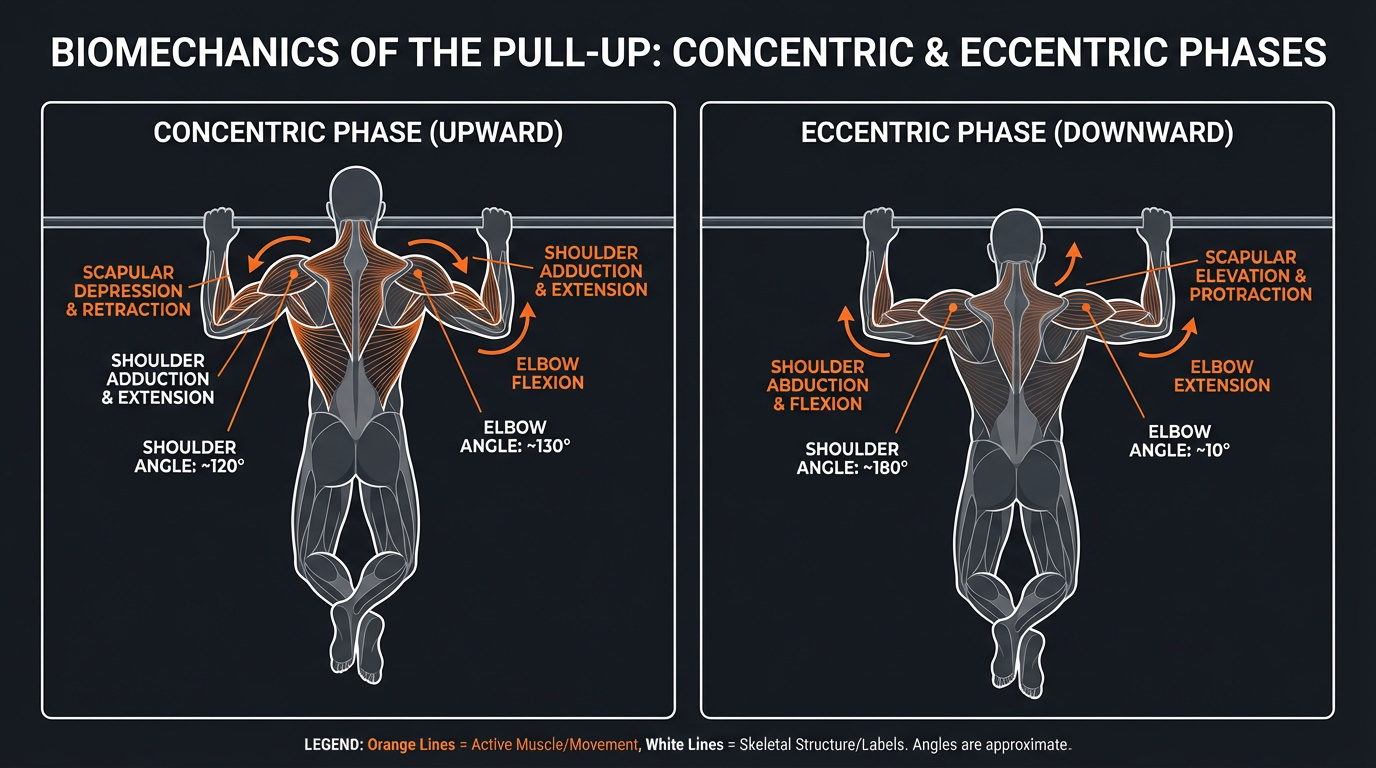
Building Upper Body Strength for Climbing
Pull-ups are the foundation, but they're not the whole picture. Other exercises contribute to climbing-specific upper body strength:
- •Dead Hangs: Builds grip and forearm endurance. Start with timed sets and work up.
- •Lat Pulldowns: Targets the upper back in a similar pattern to pull-ups, useful for higher-volume work.
- •Shoulder Presses: Strengthens the shoulders for overhead reaching and mantling movements.
A program that combines these with regular pull-up work gives you a solid strength base for climbing.
Endurance Meets Technique
Raw strength only gets you so far on the wall. Technique determines how efficiently you use that strength. Here's what matters:
- •Footwork: Good foot placements take load off your arms and hands. Most beginners over-grip because they don't trust their feet.
- •Body Positioning: Staying balanced and close to the wall conserves energy.
- •Dynamic Movements: Techniques like flagging and stemming reduce how much you rely on pure pulling power.
Chris Sharma put it well: "Climbing is more about the brain than the brawn." The best climbers are strong AND efficient. Strength without technique is just muscling through routes you could climb with half the effort.
Addressing Common Concerns
Can you get good at climbing with just pull-ups? No. Pull-ups build the engine, but climbing requires technique drills, flexibility work, rest and recovery, and proper nutrition. Think of pull-ups as one part of a complete program, not the whole thing.
That said, if you can't do 10 solid pull-ups, that's probably your biggest limiting factor on the wall. Get your pull-up numbers up first, then refine everything else.
Conclusion
Pull-up strength and climbing ability reinforce each other. Stronger pull-ups make you a better climber. Climbing makes your pulling strength more functional and tests it in ways a pull-up bar never will. Build both into your training, and you'll see real improvement on the wall.
Frequently Asked Questions
- Do pull-ups help with rock climbing?
- Hugely. Pull-up strength directly transfers to climbing since you're pulling your body upward in both activities. Climbers who can do 15+ pull-ups typically advance faster on the wall. Weighted pull-ups and one-arm progressions are especially useful for climbing performance.
- Does rock climbing build pull-up strength?
- Yes, but not as efficiently as dedicated pull-up training. Climbing builds grip strength, endurance, and pulling from odd angles that pull-ups don't. For maximum pull-up numbers though, you still need to practice the specific movement with progressive overload.
- What grip exercises help both climbing and pull-ups?
- Dead hangs, towel pull-ups, and fat grip training carry over to both activities. Hanging from a bar for time builds grip endurance for climbing, while towel pull-ups develop the crushing grip strength that helps with harder climbing holds.
- How should climbers structure pull-up training?
- Add 2-3 pull-up sessions per week on non-climbing days. Focus on weighted pull-ups for strength, and frenchies (pull-up holds at different angles) for climbing-specific endurance. Don't train pull-ups and climb on the same day since your grip will be fried.