Strength & Symmetry: The Science Behind the Ultimate 5-Day Training Split
Discover the science-backed 5-day training split that optimizes muscle growth and strength gains while preventing burnout. Perfect for intermediate lifters.
 Jeff·Dec 3, 2024·4 min read
Key Takeaways
- You get better gains training each muscle 2-3 times per week instead of hammering it once and waiting seven days.
- More volume isn't always better since excessive sets just create fatigue without extra muscle growth.
- Rest 3+ minutes between heavy compound sets to fully recover your strength for the next set.
- Control the negative part of each rep for 2-3 seconds to maximize muscle tension and growth.
- The program uses upper/lower/upper/lower/arms split to hit everything twice while managing fatigue properly.
Get This on WhatsApp
Get a quick summary and link sent straight to your WhatsApp.
Send Me This ArticleThe most effective training programs optimize volume rather than maximizing it. Research shows that excessive volume can impair recovery and limit progress.
In the ever-evolving world of bodybuilding and strength training, finding the perfect balance between muscle growth, strength development, and aesthetic symmetry remains the holy grail. This innovative training approach introduces a scientifically-backed split that maximizes results while minimizing unnecessary fatigue and gym time.
The Science of Training Frequency
Modern exercise science has revealed that muscle protein synthesis (MPS) remains elevated for approximately 24-48 hours after resistance training. This biological window provides the foundation for this advanced training split, which strategically times workouts to maintain optimal stimulation for growth while allowing adequate recovery.
TRAINING TIP: Training each muscle group 2-3 times per week has been shown to produce superior results compared to traditional once-per-week approaches.
The split consists of:
- •Two upper body sessions
- •Two lower body sessions
- •One dedicated arm day
This structure creates an ideal stimulus-to-fatigue ratio, allowing for high-intensity training while managing systemic fatigue through strategic volume distribution.
Understanding Volume Optimization
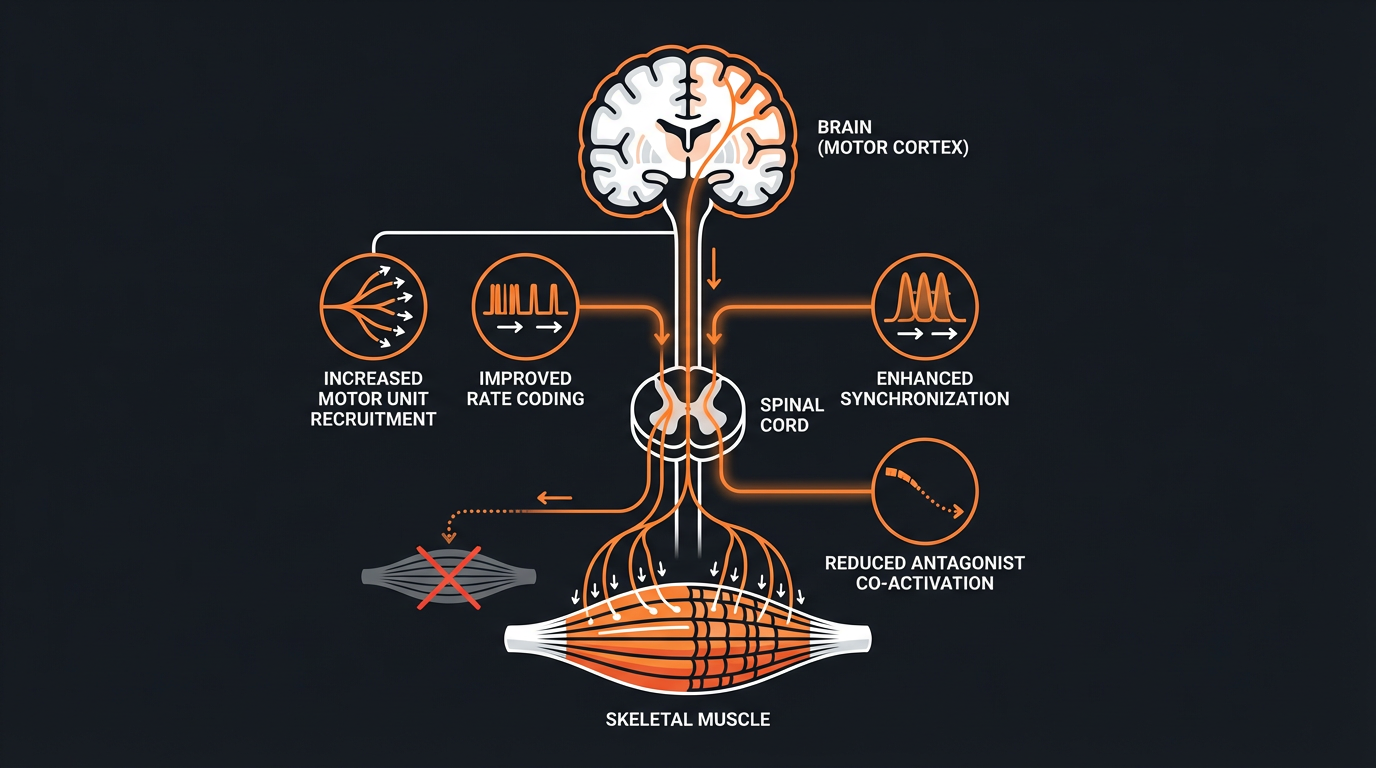
Research in exercise physiology has demonstrated that training volume has a dose-response relationship with muscle growth - but only up to a point. The key finding that shapes this program is that excessive volume creates unnecessary fatigue without additional hypertrophic benefits.
The program implements these findings through:
- •Reduced total sets per muscle group
- •Increased load intensity
- •Strategic exercise selection
- •Optimal rest periods
RECOVERY INSIGHT: Studies show that 3+ minutes of rest between heavy sets optimizes both strength gains and muscle growth by allowing complete phosphocreatine resynthesis.
The Role of Progressive Tension
Exercise science has established that progressive overload is the primary driver of muscular adaptation. This program implements this principle through a sophisticated approach to load progression and volume management.
Warm-up Protocol
The warm-up strategy is based on research showing that submaximal loading patterns can enhance neural activation without creating significant fatigue:
- •Progressive loading sets with decreasing reps
- •Minimal time under tension during warm-ups
- •Strategic rest periods between preparation sets
Example Upper Body Session
This workout demonstrates the practical application of these principles:
Compound Movements
- •One-Arm Row
Sets: 2 per side
- •Reps: 6
- •Focus: Unilateral strength development
- •Rest: 180 seconds between sides
- •Incline Press
Sets: 3
- •Reps: 6
- •Focus: Upper chest development
- •Rest: 180 seconds
FORM TIP: Research indicates that controlling the eccentric (lowering) portion of each rep for 2-3 seconds maximizes muscle tension and growth stimulus.
Isolation Work
- •Machine Lateral Raises
Sets: 3
- •Reps: 8
- •Focus: Deltoid isolation
- •Rest: 90 seconds
- •Hammer Strength Press
Sets: 2
- •Reps: To technical failure
- •Focus: Chest/shoulder integration
- •Rest: 150 seconds
Implementation Strategy
Progressive Overload Framework
The program uses a four-week progression model:
- •Week 1: Baseline establishment
- •Weeks 2-4: Progressive load increases
- •Week 5: Strategic deload
Individual Customization
While the framework remains constant, several variables can be adjusted based on training status:
For Beginners:
- •Higher repetition ranges (10-12)
- •Reduced loading intensity
- •Additional form-focused sets
- •Extended rest periods
For Advanced Lifters:
- •Increased loading intensity
- •Reduced total volume
- •Stricter rest period adherence
- •More aggressive progression
Recovery Optimization
Modern research has highlighted the critical role of recovery in training adaptation. This program integrates several evidence-based recovery strategies:
- •Sleep Optimization
Minimum 7-8 hours per night
- •Consistent sleep schedule
- •Dark, cool sleeping environment
- •Nutrition Timing
Pre-workout protein intake
- •Post-workout carbohydrate window
- •Daily protein target: 1.6-2.2g/kg bodyweight
- •Stress Management
Heart rate variability monitoring
- •Strategic deload timing
- •Autoregulation of training intensity
Supplementary Considerations
While the core program focuses on primary movement patterns, additional work can be integrated based on individual needs:
Core Training:
- •Post-workout integration
- •Separate mobility sessions
- •Movement-specific preparation
Cardiovascular Health:
- •Low-intensity steady state
- •Strategic timing to avoid interference
- •Heart rate zone monitoring
Measuring Progress
Success in this program is tracked through multiple metrics:
- •Strength progression
- •Volume accumulation
- •Body composition changes
- •Movement quality assessment
Regular assessment of these factors ensures continued progress and allows for program adjustments as needed.
The combination of science-based training principles, strategic volume management, and individualized progression makes this split an effective approach for those seeking both strength and symmetry in their physique development journey. By focusing on quality over quantity and implementing proper recovery strategies, this program provides a sustainable path to continued progress in the gym.
Remember: Training optimization isn't about doing more - it's about doing what's necessary with the highest possible quality. This program embodies that philosophy while delivering the results that modern training science promises.
Read Next
11 min read
Science-Backed Hypertrophy: Junk Volume Explained
Frequently Asked Questions
- What is the best 5-day workout split?
- A Push/Pull/Legs/Upper/Lower split works great for most intermediate lifters. It hits every muscle group twice per week with enough recovery time, and the dedicated upper/lower days let you bring up weak points.
- Is a 5-day split too much for natural lifters?
- Not if you manage intensity and volume properly. Keep each session under 60-75 minutes, don't train to absolute failure on every set, and make sure you're sleeping 7+ hours. Most natural lifters thrive on 5 days.
- How do you prevent muscle imbalances on a training split?
- Match your pulling volume to your pushing volume, and include unilateral exercises like single-leg Romanian deadlifts and dumbbell presses. If one side is weaker, start your sets with that side and match the reps on the stronger side.
- Should I take rest days between every workout on a 5-day split?
- No, most people run 5 days on with 2 rest days, often training Monday through Friday. Just avoid putting push and pull days back-to-back when possible, and keep your hardest leg day away from your deadlift day.