The Science of Muscle Growth: Understanding Protein Synthesis and Anabolism
The science of muscle growth: how protein synthesis and anabolism rebuild fibers bigger after training, and why post-workout protein and carbs matter.
 Jeff·Aug 20, 2024·3 min read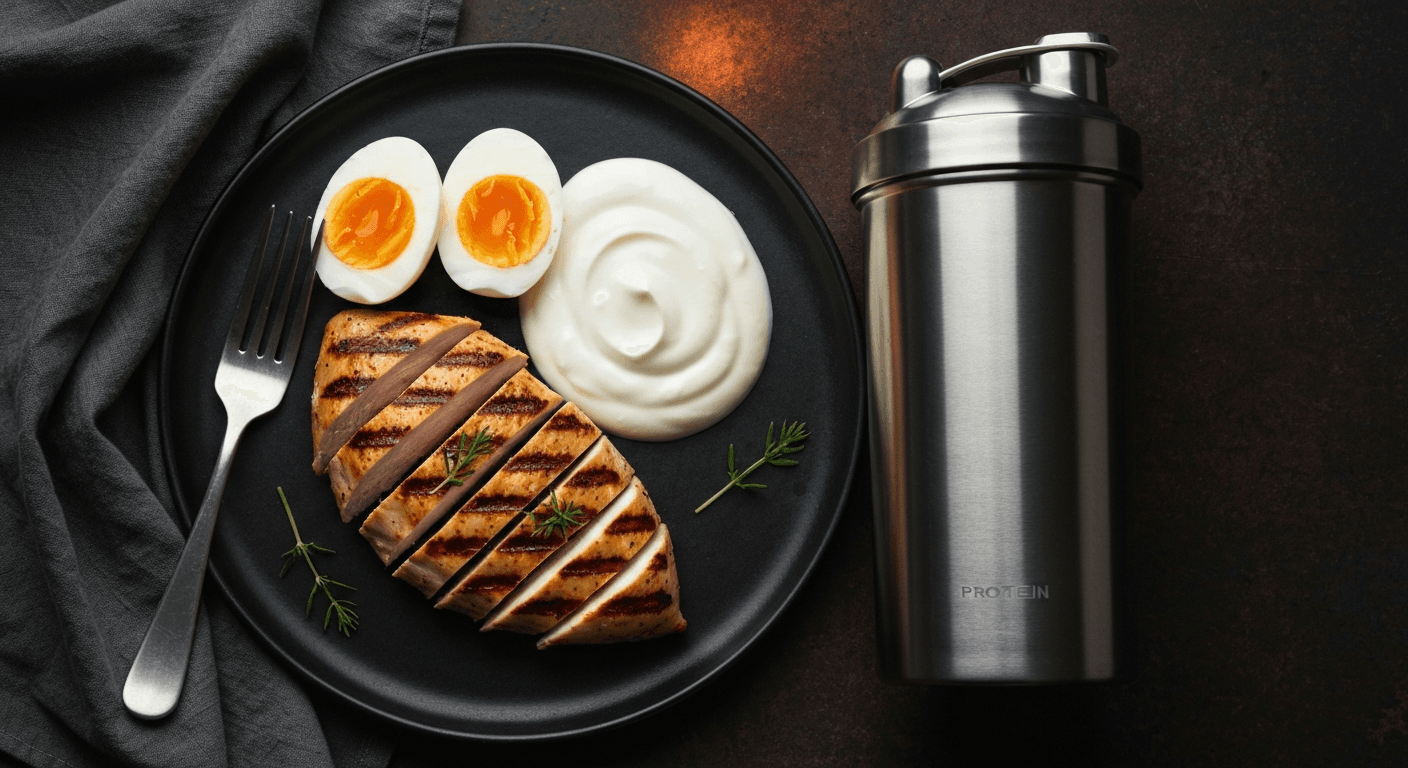
Key Takeaways
- Protein synthesis stays elevated for up to 48 hours after training, so your post-workout nutrition window is way bigger than most people think.
- Heavy compound lifts plus adequate calories, protein, healthy fats, and sleep keep your body in an anabolic state where it builds muscle instead of breaking it down.
- Aim for 1.6-2.2 grams of protein per kilogram of body weight daily and hit your post-workout meal within 30 minutes for optimal muscle building.
- Your muscles actually grow during rest, not in the gym, so getting 7-9 hours of sleep is just as important as your training.
- You can build muscle and lose fat at the same time with consistent strength training, proper nutrition, and staying in a slight caloric deficit.
Get This on WhatsApp
Get a quick summary and link sent straight to your WhatsApp.
Send Me This ArticleIf you want to build muscle, it helps to understand what's actually happening inside your body when you train. Two processes matter most: protein synthesis and anabolism. They sound technical, but the concepts are straightforward -- and knowing how they work will help you make better decisions about training and nutrition.
What is Protein Synthesis?
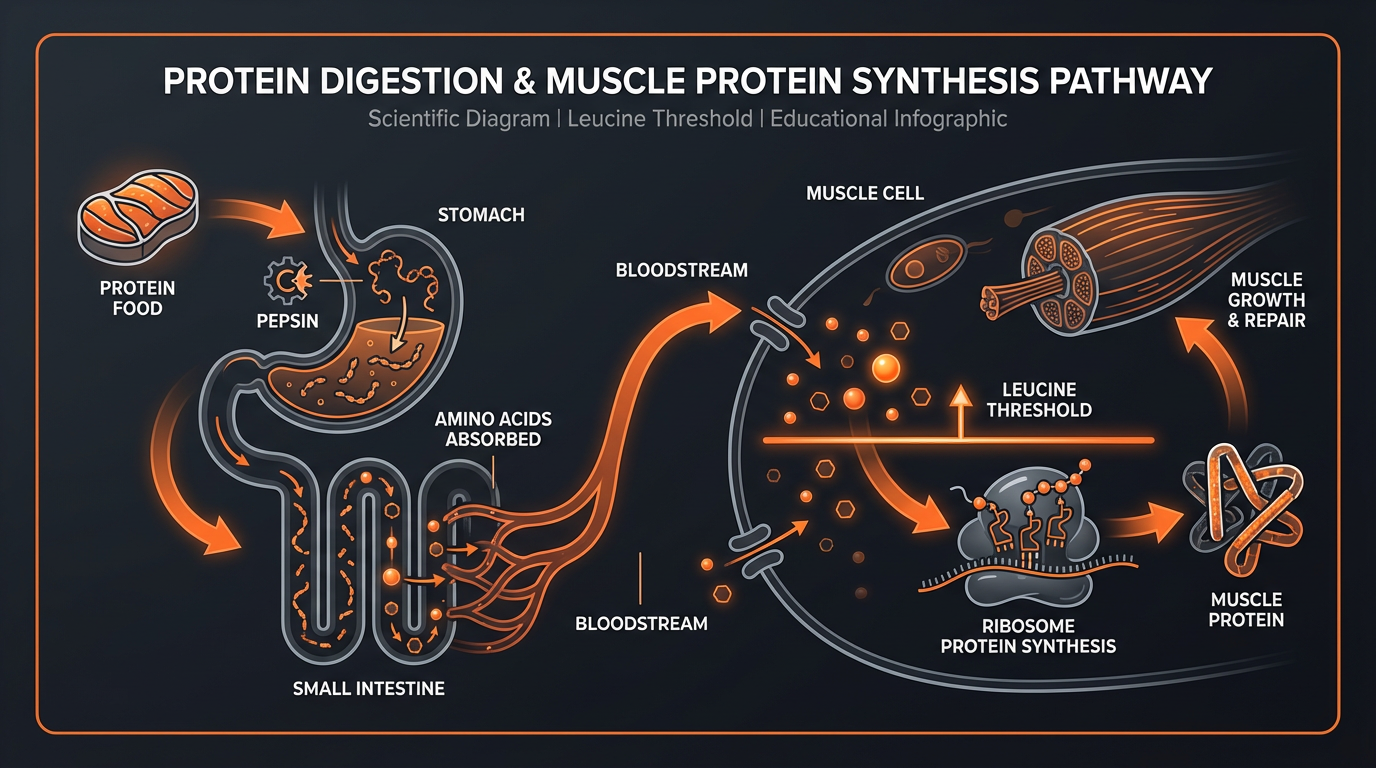
Protein synthesis is how your body builds new proteins. Your muscles are made of protein, so this process is the foundation of all muscle growth and repair. When you train, you create micro-damage in your muscle fibers. Your body responds by using amino acids to build those fibers back bigger and stronger.
The more efficiently your body runs this process, the better you grow.
According to a study published in the *Journal of Applied Physiology*, protein synthesis increases by 50% within four hours post-exercise and can remain elevated for up to 48 hours. That's a wide window, but it means what you eat after training -- especially in terms of protein and carbs -- matters a lot.
Anabolism: The Growth Phase
Anabolism is the metabolic state where your body builds tissue rather than breaking it down. Anabolic hormones like testosterone, insulin-like growth factor (IGF-1), and growth hormone drive this process. They ramp up protein synthesis and slow protein breakdown, which is exactly what you want for hypertrophy.
How do you keep your body in an anabolic state? Heavy compound lifts, adequate calories, enough protein, healthy fats, and sleep. There's no shortcut around those basics. Lifters who focus on all five consistently see the best results.
Essential Nutrients for Muscle Growth
You can't build muscle without the right raw materials. Here's what to prioritize:
- •Proteins: Chicken, fish, beans, and legumes are excellent for muscle repair and growth.
- •Carbohydrates: Whole grains, fruits, and vegetables provide the energy required for hard training.
- •Healthy Fats: Avocados, nuts, and olive oil support hormonal balance and anabolic hormone production.
- •Pre-Workout Nutrition: Consume a mix of proteins and carbohydrates about 1-2 hours before your workout.
- •Post-Workout Nutrition: Focus on fast-digesting proteins and carbs, like a whey protein shake with a banana, within 30 minutes post-exercise.
- •Daily Protein Intake: Aim for 1.6-2.2 grams of protein per kilogram of body weight daily, depending on your activity level and fitness goals.
Rest and Recovery
This is where muscle actually gets built -- not in the gym. Without rest, your muscles can't repair and grow. Sleep is especially important because your body releases growth hormone during deep sleep, which drives muscle recovery and fat metabolism.
Get 7-9 hours of sleep per night. Take rest days seriously. Stretching and foam rolling can help with soreness and speed up recovery between sessions.
Common Questions About Muscle Growth
- •Q: How long does it take to see muscle growth? A: Visible muscle growth can take 3-6 months of consistent training and proper nutrition.
- •Q: Can you build muscle while losing fat? A: Yes, through a balanced diet, strength training, and caloric deficit, you can achieve both simultaneously.
- •Q: What is the best protein source for muscle growth? A: Complete proteins, such as those found in animal products, are excellent for muscle growth. Plant-based proteins can also be effective when combined to create a complete amino acid profile.
Putting It All Together
Understanding protein synthesis and anabolism gives you a framework for better decisions. Train hard with compound lifts to trigger protein synthesis. Eat enough protein and carbs to fuel the process. Get your fats in for hormone support. Sleep enough to let growth happen. These aren't complicated ideas, but executing them consistently is what separates people who build real muscle from people who just spin their wheels.
Frequently Asked Questions
- How long does muscle protein synthesis last after a workout?
- Muscle protein synthesis stays elevated for about 24-48 hours after training. This is why hitting each muscle group twice per week tends to produce better results than the classic once-a-week bro split.
- What triggers muscle protein synthesis?
- Mechanical tension from lifting heavy weights is the primary driver. Eating enough protein (especially leucine-rich sources) and training close to failure both signal your body to build new muscle tissue.
- How much protein do you need per meal to trigger muscle growth?
- Aim for at least 25-40 grams of protein per meal to hit the leucine threshold that kicks off protein synthesis. Spreading 4-5 meals across the day gives you more synthesis windows than cramming it into two big meals.
- Does age affect how fast you build muscle?
- Yes, protein synthesis rates decline as you age, starting noticeably around 40. The fix is simple: train harder, eat more protein per meal (40g+), and prioritize sleep even more than you did in your 20s.