Whey Protein Side Effects: Separating Truth from Hype
Whey protein side effects, fact vs fiction: the truth about bloating, gas and lactose-linked digestive issues, plus who actually needs to worry about them.
 Jeff·Aug 20, 2024·3 min read
Key Takeaways
- If you're lactose intolerant, choose whey isolate over concentrate since it has less lactose and won't wreck your stomach.
- The whole 'protein destroys your kidneys' thing is complete BS unless you already have kidney problems.
- Stick to 1-2 scoops per day (20-30 grams) and you'll be totally fine according to actual research.
- Start with half a scoop when you first try whey to see how your body handles it, then work your way up.
- Drink more water when you're taking protein powder to help your body process it properly.
Get This on WhatsApp
Get a quick summary and link sent straight to your WhatsApp.
Send Me This ArticleWhey protein has long been celebrated as a post-workout staple for fitness enthusiasts, bodybuilders, and even everyday health advocates. However, there are numerous myths and truths surrounding its consumption. In this article, we will uncover the realities of whey protein side effects, separating fact from fiction.
Understanding Whey Protein
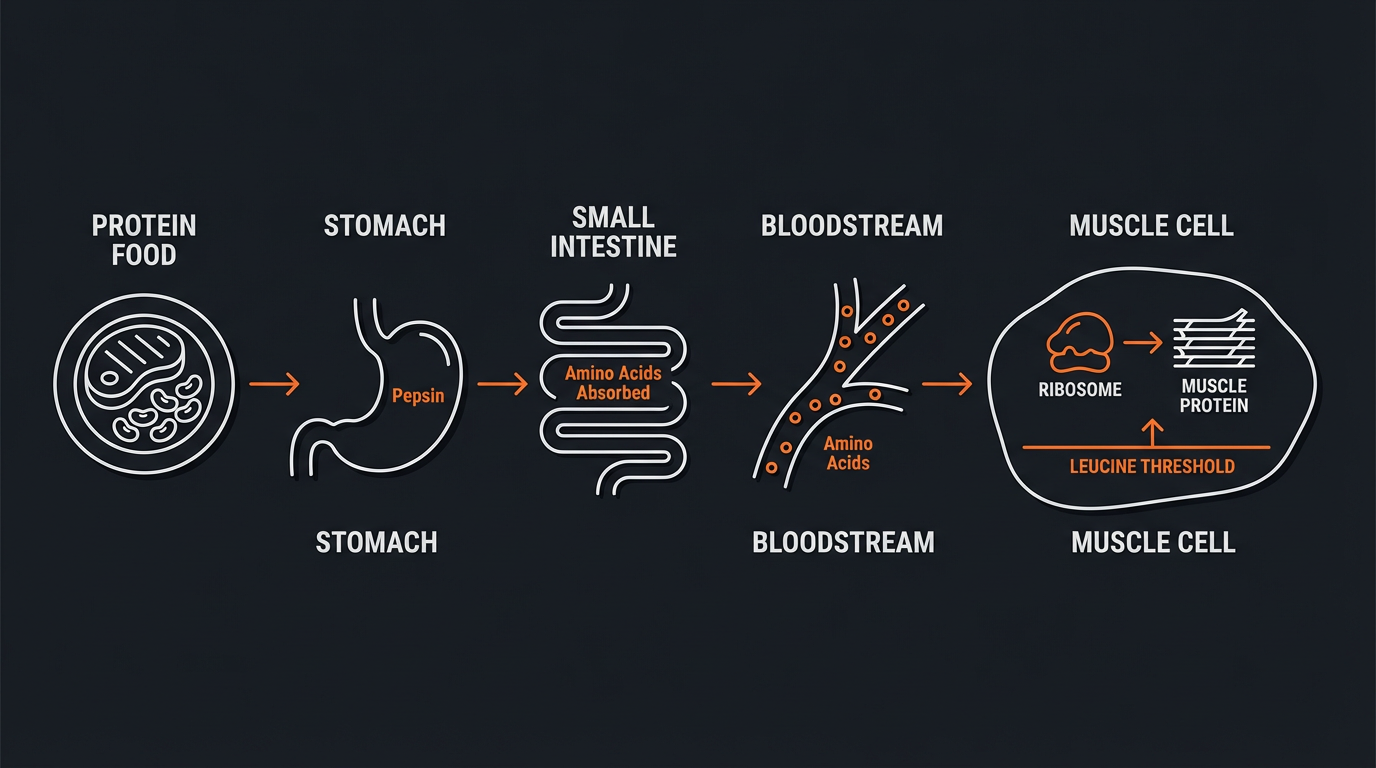
Whey protein is derived from milk during the cheese-making process. It's a complete protein, meaning it contains all nine essential amino acids necessary for muscle repair and growth. Globally, the whey protein industry is booming; research suggests that the market is expected to grow at a compound annual growth rate (CAGR) of 8.1% from 2021 to 2028. However, it's crucial to understand both its benefits and potential drawbacks.
Common Side Effects: Fact vs. Fiction
Several concerns about whey protein side effects often circulate in the health community. Let's address some of the most common ones:
1. Digestive Issues:
One prevalent claim is that whey protein can cause digestive problems, such as bloating, gas, and diarrhea. This issue is typically linked to lactose intolerance. Whey protein concentrate contains more lactose compared to whey protein isolate, which is more refined. If you're lactose intolerant, opt for whey protein isolate or a lactose-free protein powder.
2. Kidney Damage:
Another common myth is that high protein intake, including whey protein, can damage the kidneys. There's no strong evidence supporting this claim for healthy individuals. However, those with pre-existing kidney conditions should consult their healthcare provider before increasing protein intake significantly.
The Science Behind Whey Protein Safety
Research consistently shows that whey protein is safe for the vast majority of users when consumed in recommended amounts. According to a *2016 study* by the International Society of Sports Nutrition, even high protein diets are generally safe and can be beneficial for athletes and physically active individuals, aiding muscle repair and growth without adverse effects.
- •Proper Dosage: The key to safely consuming whey protein is to maintain recommended dosages. For most people, 1-2 scoops per day, or approximately 20-30 grams, is sufficient.
- •Balanced Diet: Ensure you're integrating whey protein into a balanced diet. Over-reliance on protein supplements at the expense of whole foods can lead to nutritional imbalances.
Furthermore, observe how your body reacts when you first introduce whey protein to your diet. If you experience any adverse effects, consult a healthcare professional for personalized advice.
Tips for Safe Whey Protein Consumption
Here are some practical tips to maximize benefits while minimizing risks:
- •Start Small: Begin with a smaller dose to see how your body reacts. Gradually increase the amount as tolerated.
- •Hydrate: Ensure adequate water intake to help your kidneys process the increased protein load efficiently.
- •Read Labels: Choose high-quality, reputable brands. Avoid products with unnecessary fillers, artificial sweeteners, and additives.
A holistic approach to nutrition, combining whey protein with a balanced diet rich in fruits, vegetables, whole grains, and healthy fats, provides optimal results.
Conclusion
Whether you're a seasoned athlete or a fitness newcomer, understanding whey protein's side effects can help you make informed dietary choices. While myths abound, scientific research confirms that whey protein is generally safe and advantageous when consumed responsibly.
Always listen to your body and prioritize a balanced diet to achieve the best results. Ready to reap the benefits of whey protein without the worry? Consult a nutritionist or healthcare provider tailored to your personal health needs and goals. Start optimizing your nutrition today!
Frequently Asked Questions
- Does whey protein cause acne?
- It can for some people. Whey increases insulin and IGF-1 levels, both of which can trigger breakouts in acne-prone individuals. If you notice more breakouts after starting whey, try switching to a plant-based protein or whey isolate, which has less of the hormonal components.
- Is whey protein bad for your kidneys?
- No, not if your kidneys are healthy. This myth comes from the fact that damaged kidneys struggle with protein, but healthy kidneys handle high protein intake without issue. Multiple long-term studies confirm this. If you have existing kidney disease, talk to your doctor.
- Why does whey protein give me gas and bloating?
- You're probably lactose intolerant to some degree, which is super common. Whey concentrate has more lactose than isolate. Switch to whey isolate or a plant-based protein and the gas should clear up within a few days.
- Can whey protein damage your liver?
- No. There's zero evidence linking whey protein to liver damage in healthy people. This fear mostly comes from confusing protein supplements with anabolic steroids. Your liver processes protein just fine at normal supplementation levels.
- How much whey protein is safe per day?
- Most people do well with 1-2 scoops (25-50g) per day. You can technically have more, but get the majority of your protein from whole foods. There's no hard upper limit that's dangerous, but your digestive system might disagree if you go overboard.