Bodyweight Strength Training Exercises for Home Workouts
Bodyweight strength training for home workouts: push-ups, squats, and full-body moves that build muscle and flexibility with zero equipment or gym fees.
 Jeff·Aug 19, 2024·3 min read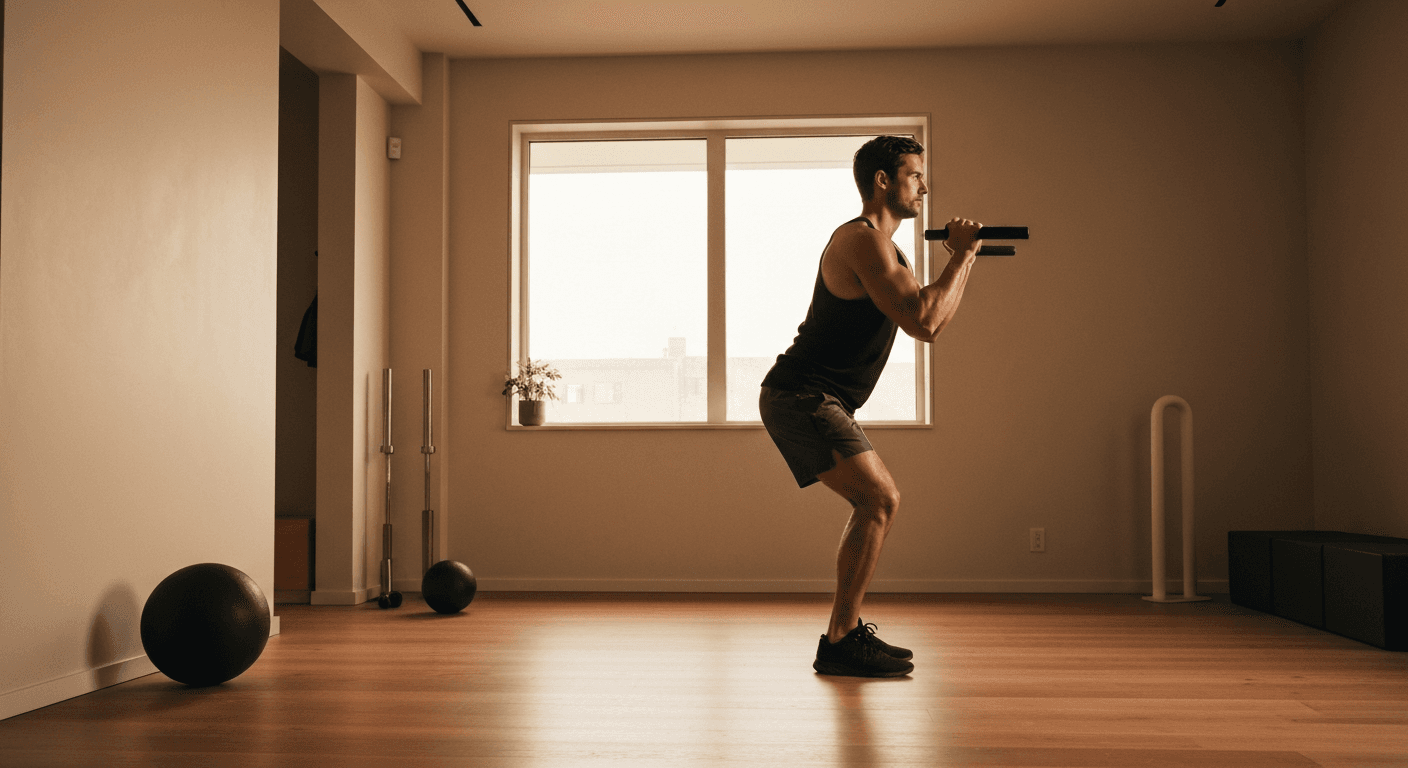
Key Takeaways
- Push-ups hit your chest, shoulders, triceps, and core all at once, making them one of the most efficient upper body exercises you can do.
- Squats build serious leg strength in your quads, hamstrings, and glutes while also improving your balance and mobility.
- Planks work your entire core plus your shoulders, back, and glutes, which helps fix your posture and prevents back pain.
- You can build just as much muscle with bodyweight exercises as you can with weights if you keep making the movements harder over time.
- Bodyweight training costs nothing, works anywhere, and you can modify every exercise to match whatever fitness level you're at right now.
Get This on WhatsApp
Get a quick summary and link sent straight to your WhatsApp.
Send Me This Article'''html
Introduction
Are you struggling to find the right fitness regimen that can be done within the comfort of your own home? Look no further! Bodyweight strength training exercises for home workouts offer a plethora of benefits without the need for expensive equipment or a gym membership. These exercises can help you build muscle, increase flexibility, and improve overall health—all from your living room. In this guide, we’ll explore the best bodyweight strength training exercises you can incorporate into your home workout routine.
Essential Bodyweight Strength Training Exercises
The world of fitness can be overwhelming, but with bodyweight strength training exercises, you can simplify your routine while still achieving impressive results. Let’s dive into some fundamental exercises that can provide a full-body workout.
Push-Ups
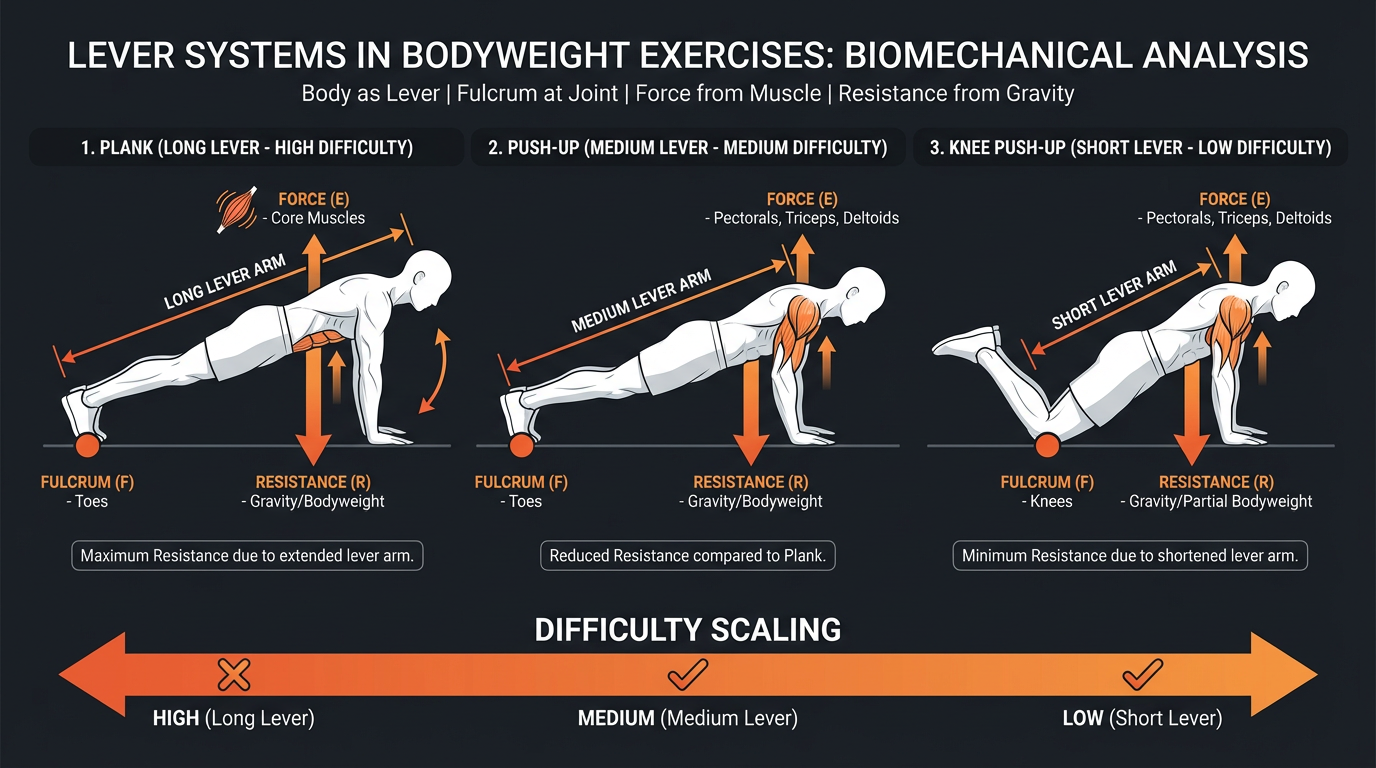
The push-up is a classic bodyweight exercise that targets the chest, shoulders, triceps, and core. According to the American Council on Exercise, push-ups activate multiple muscle groups, allowing for efficient strength building.
- •Start in a plank position with hands directly under shoulders.
- •Bend your elbows to lower your chest towards the ground.
- •Push back up to the starting position.
For those new to push-ups, consider starting with your knees on the ground to reduce the intensity, gradually working up to standard push-ups.
Squats
Squats are vital for building leg strength, particularly in the quadriceps, hamstrings, and glutes. Health experts emphasize that squats also aid in improving mobility and balance.
- •Stand with feet shoulder-width apart.
- •Lower your body as if sitting back into a chair, keeping your chest up and knees over your toes.
- •Return to the starting position by straightening your legs.
Planks
Planks are excellent core exercises, engaging not only the abdominal muscles but also the shoulders, back, and glutes. Research indicates that planks can improve posture and reduce the risk of back pain.
To perform a plank:
- •Start in a push-up position but rest on your forearms instead of your hands.
- •Keep your body in a straight line from head to heels.
- •Hold this position as long as possible while maintaining proper form.
Benefits of Bodyweight Strength Training
Why should you choose bodyweight strength training exercises for home workouts? Here are a few compelling reasons:
- •Cost-Effective: No gym membership or special equipment required.
- •Convenience: Can be done anywhere, anytime.
- •Scalability: Easily modified to match any fitness level.
- •Functional Fitness: Improves overall strength and coordination, making everyday tasks easier.
Studies have shown that bodyweight exercises are as effective as weight training for building muscle and strength (Journal of Strength and Conditioning Research, 2020).
Common Concerns and Solutions
You might have some questions or concerns about starting a bodyweight workout regimen. Let’s address a few:
Can I really build muscle without weights?
Absolutely! The key is to progressively increase the difficulty of your exercises. For example, once you can do several push-ups easily, try advanced variations like diamond or plyometric push-ups.
How can I stay motivated while working out at home?
Create a dedicated workout space and set a regular schedule. Following along with online workout videos or joining virtual fitness communities can also provide a sense of accountability and camaraderie.
Conclusion: Take Action Today!
Bodyweight strength training exercises for home workouts offer a flexible, effective, and budget-friendly way to enhance your fitness. Start incorporating these exercises into your routine today and revel in the convenience and benefits of home workouts.
Ready to get started? Try incorporating these exercises into a weekly routine and watch as your strength and fitness levels skyrocket!
Meta Data
Meta Description: Discover effective bodyweight strength training exercises for home workouts. Build muscle, improve flexibility, and boost your health—all without leaving the house!
Tags: bodyweight exercises, home workout, strength training, fitness at home, muscle building
'''
Frequently Asked Questions
- Can bodyweight exercises build real muscle?
- They absolutely can, especially for your upper body. Push-ups, pull-ups, dips, and their progressions can build a seriously impressive chest, back, and arms. Legs are harder to overload without weights, but pistol squats and Nordic curls are no joke.
- What are the best bodyweight exercises for beginners?
- Push-ups, bodyweight squats, lunges, planks, and inverted rows (using a table or low bar). Master these five movements before chasing anything fancy. Once you can do 3x15 of each with good form, start working toward harder progressions.
- How do I make push-ups harder without equipment?
- Elevate your feet on a chair, do archer push-ups (one arm does most of the work), add a 3-second pause at the bottom, or work toward one-arm push-ups. Diamond push-ups and pike push-ups shift the emphasis to triceps and shoulders respectively.
- How often should I train with bodyweight exercises?
- Four to five days per week works well since bodyweight training is generally less taxing on your nervous system than heavy barbell work. Split it into upper/lower or push/pull days. Just make sure you're still progressively making the exercises harder, not just adding more reps forever.