Carb Backloading: Strategic Carb Intake for Muscle Growth and Fat Loss
Carb backloading times your carbs after evening workouts to ride post-exercise insulin sensitivity, fueling muscle repair while minimizing fat storage.
 Jeff·Aug 20, 2024·4 min read
Key Takeaways
- You eat carbs only after your evening workout instead of spreading them throughout the day to take advantage of higher insulin sensitivity post-exercise.
- Your morning and pre-workout meals should be high protein and low carb like eggs with avocado or protein shakes to maintain energy without spiking blood sugar.
- After you train at night, load up on quality carbs like sweet potatoes, rice, or pasta along with protein to fuel muscle recovery and growth.
- Your body stays more insulin sensitive for up to 24 hours after training, which means carbs are more likely to go to muscle repair instead of fat storage.
- You need to plan your meals ahead of time and track your progress because this approach requires more timing precision than typical eating patterns.
Get This on WhatsApp
Get a quick summary and link sent straight to your WhatsApp.
Send Me This ArticleCarb backloading is a nutritional strategy designed to optimize muscle growth while promoting fat loss. This method involves timing carbohydrate intake to coincide with your body's natural rhythms and exercise patterns. In this article, we will delve into the principles of carb backloading, provide actionable insights, and answer common questions to help you implement this strategy effectively.
Understanding Carb Backloading
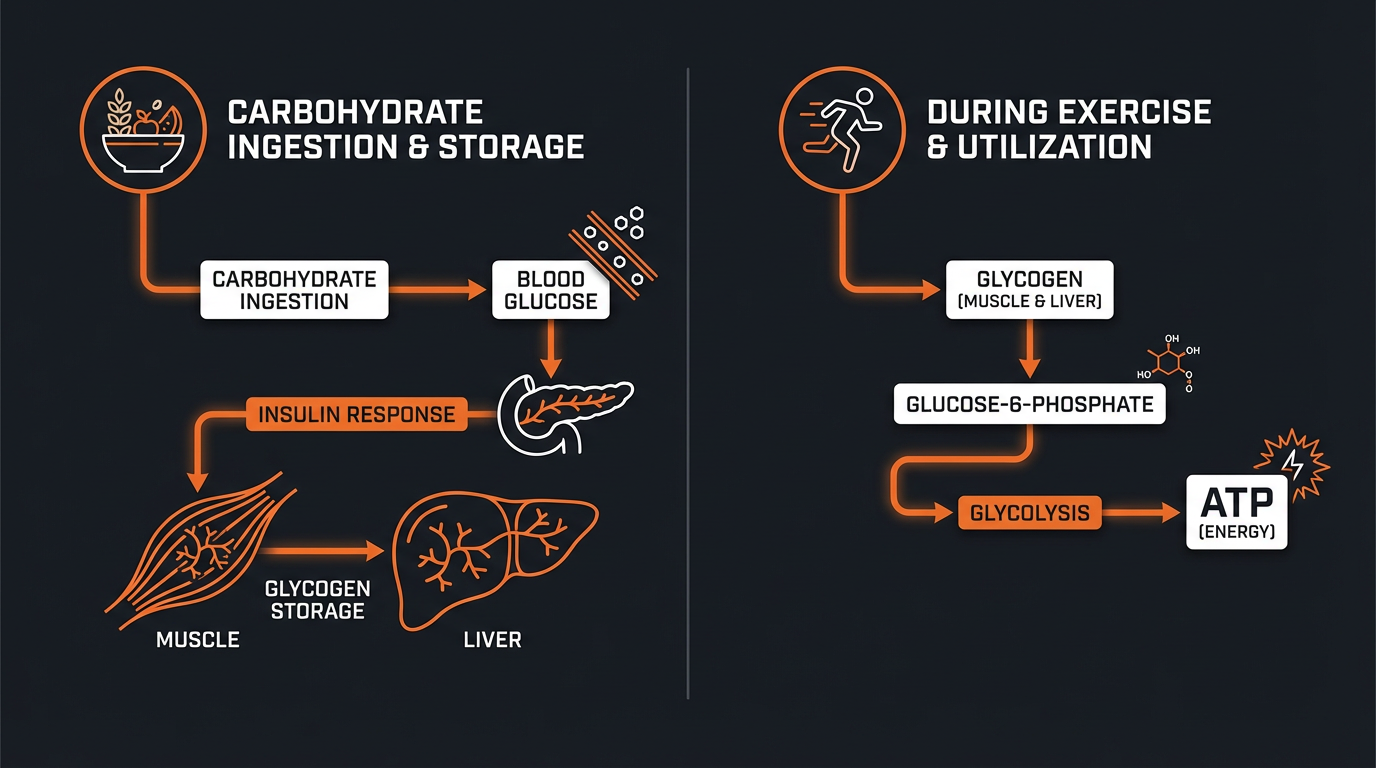
At its core, carb backloading focuses on consuming carbohydrates later in the day, particularly after intense workouts. The idea is to leverage the body's hormonal responses to maximize muscle synthesis and minimize fat storage. By strategically timing your carb intake, you can align it with your body's increased insulin sensitivity post-exercise, which facilitates better nutrient partitioning.
The key principle behind carb backloading is simple: Avoid high-carb foods in the early part of the day and consume them primarily after your evening workout. This approach taps into the body's natural metabolic processes, making it more efficient in utilizing carbs for muscle repair and growth.
The Science Behind Carb Backloading
Research indicates that the body’s insulin sensitivity fluctuates throughout the day. Morning hours tend to be associated with lower insulin sensitivity, which means the body is less efficient at processing carbohydrates. Conversely, insulin sensitivity increases after physical activity, creating a window where consumed carbs are more likely to be used for muscle glycogen replenishment rather than being stored as fat.
According to a study published in the Journal of Applied Physiology, post-exercise insulin sensitivity can remain elevated for up to 24 hours, making it an ideal time to consume carbohydrates. By aligning your carb intake with this window, you can enhance muscle recovery and growth while minimizing fat accumulation.
How to Implement Carb Backloading
To get started with carb backloading, follow these simple steps:
- •Morning and Pre-Workout: Stick to high-protein, low-carb meals. Examples include eggs and avocado, Greek yogurt, or a protein shake with almond milk.
- •Post-Workout: After your evening workout, consume a high-carb meal. This could include sweet potatoes, rice, quinoa, or pasta along with a source of protein.
- •Evening Meals: Continue to consume a moderate amount of carbs in your later meals, ensuring they are paired with protein to support muscle repair.
By focusing on high-quality carb sources and timing them appropriately, you can optimize your body’s anabolic window.
Addressing Common Questions and Concerns
Many people wonder if carb backloading is suitable for everyone. While it can be highly effective, it’s important to remember that individual responses to dietary strategies can vary. If you have specific health conditions, such as diabetes, it’s crucial to consult with a healthcare provider before making significant changes to your diet.
One common question is: Will skipping carbs in the morning negatively impact energy levels? To counteract potential energy dips, ensure your morning meals are rich in healthy fats and proteins. These macronutrients provide sustained energy without spiking blood sugar levels.
Another frequent concern is whether carb backloading is compatible with various types of exercise. The good news is that this strategy can be adapted to different workout routines, whether you’re into weightlifting, HIIT, or endurance training. Adjust your carb intake based on the intensity and duration of your workouts.
Practical Tips for Success
Here are some actionable tips to help you succeed with carb backloading:
- •Plan Ahead: Prepare your meals in advance to ensure you have the right foods available at the right times.
- •Monitor Progress: Keep track of your workouts, meals, and physical changes to assess the effectiveness of your approach.
- •Stay Hydrated: Proper hydration is crucial for optimal performance and recovery.
- •Listen to Your Body: Pay attention to how your body responds and make adjustments as needed.
Conclusion
Carb backloading: strategic carb intake for muscle growth and fat loss is a powerful approach to optimizing your body’s natural rhythms and enhancing your fitness results. By carefully timing your carbohydrate consumption, you can effectively support muscle synthesis and minimize fat storage. Start implementing carb backloading today and monitor your progress to see the benefits firsthand.
If you found this article helpful, share it with your fitness community, and don’t forget to subscribe to our newsletter for more expert tips on nutrition and training.
Frequently Asked Questions
- What is carb backloading and does it work?
- Carb backloading means eating most of your carbs after your workout and in the evening instead of spreading them throughout the day. It can work for body composition, but mostly because it helps some people eat fewer total calories — not because of any metabolic magic.
- Should I skip carbs before my workout if I'm carb backloading?
- You can have a small protein-and-fat meal before training, but if your performance tanks, eat some carbs pre-workout anyway. No diet strategy is worth sacrificing training intensity.
- How many carbs should I eat after a workout for muscle growth?
- Aim for 50-100g of carbs within a couple hours post-workout. Replenishing glycogen supports recovery and helps you train hard again the next session. Rice, potatoes, or pasta all work great.
- Can carb backloading help you build muscle and lose fat at the same time?
- It can help if it makes your diet easier to stick to, but it's not a fat-loss hack. Total calories and protein intake matter far more than when you eat your carbs.