Functional Fitness: Exercises That Improve Everyday Life Activities
Functional fitness moves that make daily life easier: squats and multi-muscle exercises that build strength, balance and coordination and cut injury risk.
 Jeff·Aug 20, 2024·3 min read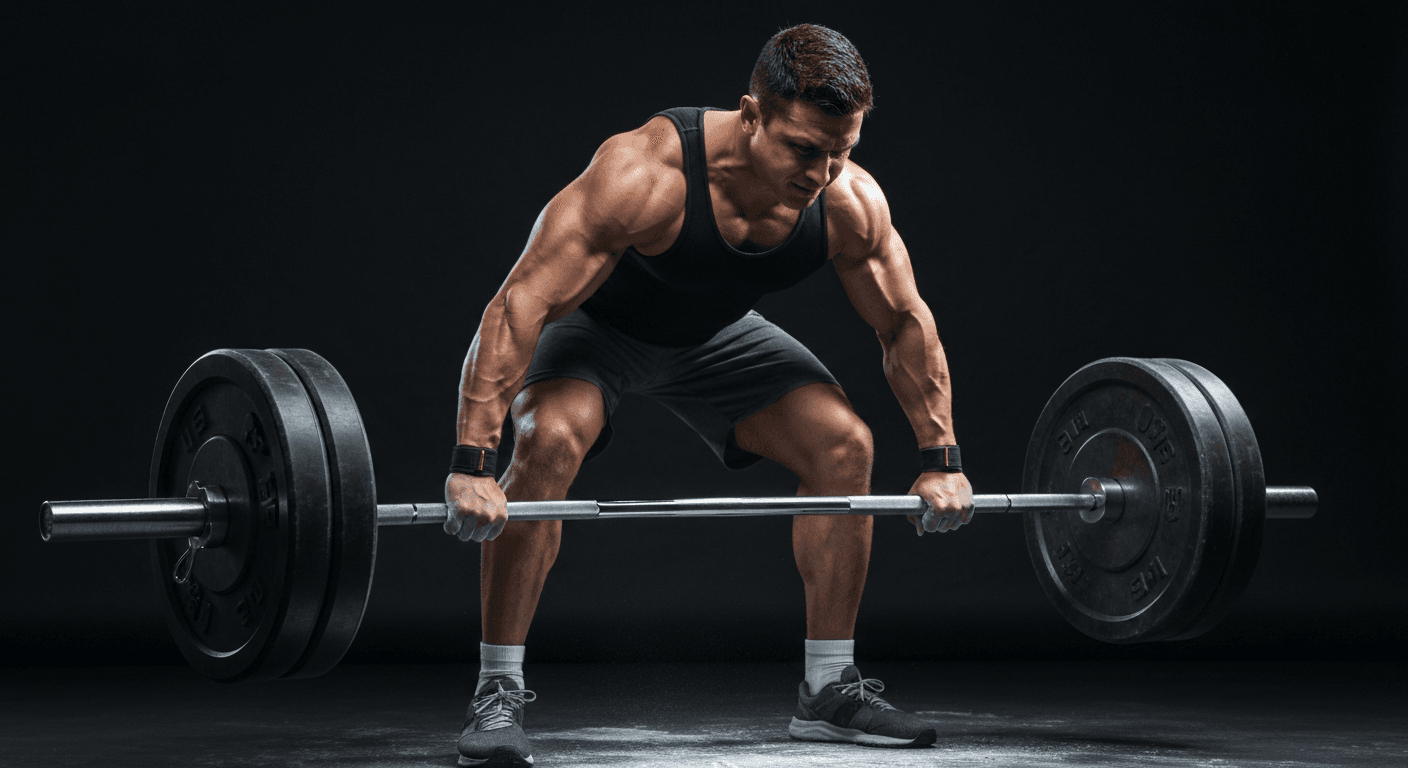
Key Takeaways
- Functional fitness trains multiple muscle groups at once by copying real-life movements instead of isolating single muscles like traditional workouts.
- Studies show people doing functional training improved their daily activities by 58% more than those stuck doing regular strength training.
- Squats, deadlifts, push-ups, lunges, and planks are the core exercises that will make picking up groceries and playing with kids way easier.
- You only need 20-30 minutes of functional training 3-4 times per week to see real improvements in how you move and feel.
- Most functional exercises use just your body weight, so you can start without buying any equipment or joining a gym.
Get This on WhatsApp
Get a quick summary and link sent straight to your WhatsApp.
Send Me This ArticleIn today's fast-paced world, maintaining good health has become more crucial than ever. A cutting-edge approach to fitness is functional fitness: exercises that improve everyday life activities. This training method focuses on enhancing strength, flexibility, and coordination, allowing us to perform daily tasks with greater ease. Here's everything you need to know about functional fitness, including practical tips and a few key exercises to incorporate into your routine.
What is Functional Fitness?
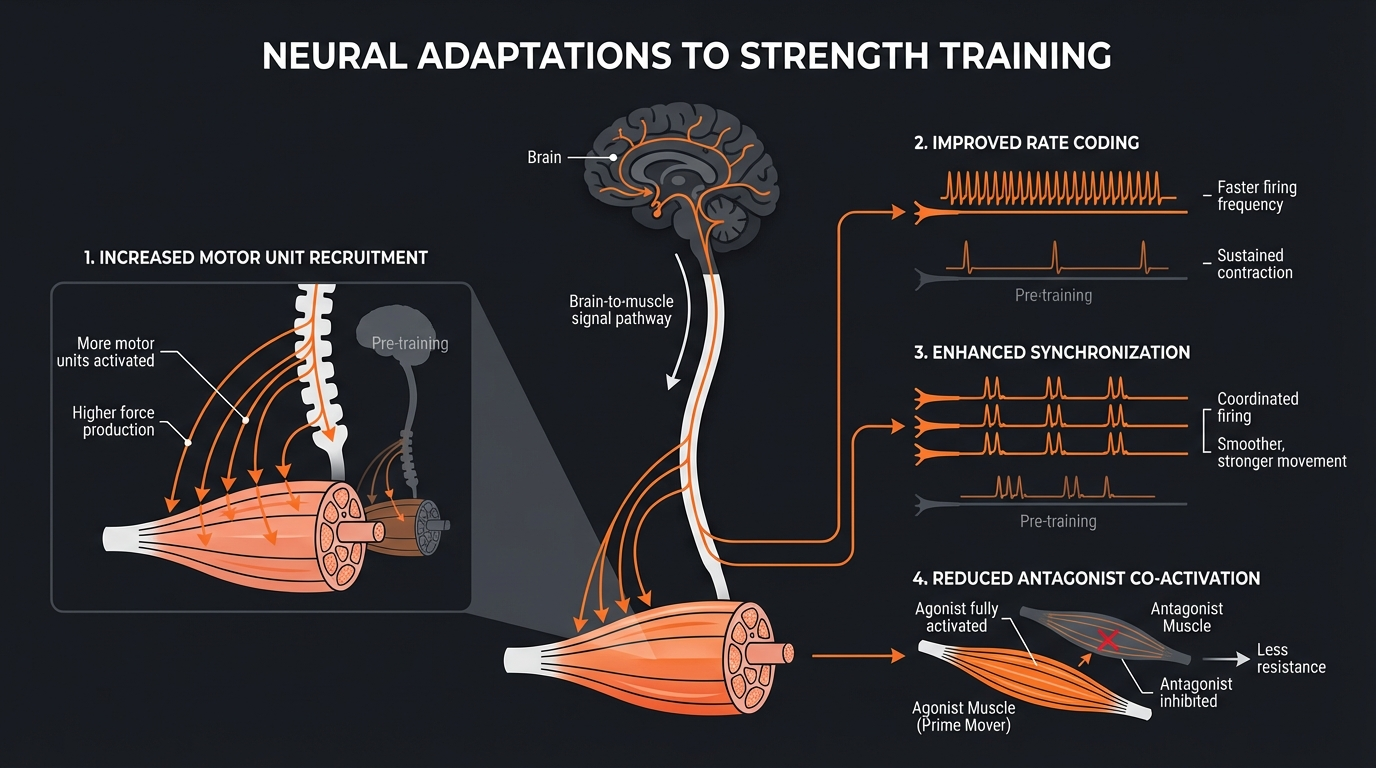
Functional fitness refers to exercises that mimic everyday activities, making them easier to perform. Unlike traditional gym workouts that isolate specific muscles, functional exercises simulate real-life movements, engaging multiple muscle groups simultaneously. This holistic approach improves overall body mechanics, reducing the risk of injury and enhancing quality of life.
For example, a squat targets your legs, core, and balance, preparing you for activities like lifting grocery bags or playing with your kids. According to a study published in the *Journal of Strength and Conditioning Research*, individuals who engaged in functional training experienced a 58% improvement in their daily activities compared to those doing conventional strength training.
Benefits of Functional Fitness
Adopting functional fitness into your routine offers numerous benefits:
- •Enhanced Strength: By targeting multiple muscle groups, functional exercises develop balanced strength, which is essential for performing daily tasks efficiently.
- •Improved Flexibility and Mobility: Functional movements increase your range of motion, helping prevent stiffness and enhancing overall mobility.
- •Better Coordination and Balance: Exercises that require multiple joint movements and stability improve your coordination and balance, reducing the risk of falls.
- •Injury Prevention: By mimicking everyday activities, functional fitness helps your body adapt to various physical demands, reducing the likelihood of injuries.
Key Functional Fitness Exercises
Incorporating the following exercises into your fitness routine can significantly improve your everyday life activities:
- •Squats: This fundamental exercise strengthens your lower body and core. Stand with feet shoulder-width apart, bend your knees, and lower your body as if sitting in a chair. Ensure your knees don't extend beyond your toes.
- •Deadlifts: Deadlifts target your hamstrings, glutes, and lower back, mimicking the motion of picking up objects from the ground. Maintain a straight back and bend at your hips and knees, lifting a weight from the floor with proper form.
- •Push-Ups: Push-ups enhance upper body strength and core stability. Begin in a plank position, lower your body until your chest touches the ground, and push back up.
- •Lunges: Lunges improve leg strength and balance. Step forward with one leg, lowering your hips until both knees are bent at 90 degrees. Alternate legs and repeat.
- •Planks: Planks engage your core, improving stability and posture. Hold a plank position on your forearms and toes, maintaining a straight line from head to heels.
Common Questions and Concerns
Is Functional Fitness Suitable for All Ages?
Absolutely! Functional fitness can be adapted to suit individuals of all ages and fitness levels. The exercises can be modified to match your current ability and gradually increased in intensity as you progress.
Do I Need Special Equipment?
Not necessarily. Many functional exercises utilize body weight. However, incorporating tools like resistance bands, kettlebells, and medicine balls can add variety and challenge to your workouts.
How Often Should I Do Functional Fitness?
Consistency is key. Aim for at least 3-4 sessions per week to see noticeable improvements. As little as 20-30 minutes per session can make a significant difference in your daily life.
Functional fitness is more than a trend—it's a lifestyle change that helps you move, feel, and live better. By incorporating these exercises into your routine, you can enhance your overall well-being and enjoy a more active, pain-free life.
Conclusion
Functional fitness exercises are transformative, targeting the muscle groups necessary for everyday activities. By adopting this approach, you can enhance strength, flexibility, coordination, and injury prevention. Don't wait—start integrating functional exercises into your fitness routine today and experience the difference. If you’re ready to take the next step, contact a certified personal trainer to get a personalized plan and professional guidance.
Frequently Asked Questions
- What is functional fitness?
- It's training that improves how your body performs real-life movements like carrying groceries, picking stuff up off the floor, climbing stairs, and playing with your kids. Think squats, deadlifts, carries, and pressing, the same movements you do outside the gym.
- Is functional fitness better than bodybuilding?
- They have different goals. Functional training prioritizes movement quality and real-world strength. Bodybuilding prioritizes muscle size and aesthetics. The good news is there's huge overlap. Squats, deadlifts, rows, and presses build both functional strength and muscle.
- What are the best functional exercises?
- Goblet squats, deadlifts, farmer's carries, Turkish get-ups, push-ups, pull-ups, and lunges. These all train multiple joints and muscles working together, which is how your body moves in real life. Machine isolation work is fine but shouldn't be your whole program.
- Can functional fitness help prevent injuries?
- Absolutely. Training your body to move properly through full ranges of motion under load builds resilient joints, stronger stabilizer muscles, and better coordination. People who do functional training regularly report fewer back tweaks, knee issues, and random daily life injuries.