Protein Shakes for Breakfast: Pros, Cons, and Nutritional Impact
Protein shakes for breakfast boost satiety and save time, but additives are a catch. Weigh the pros, cons and nutrition before swapping your morning meal.
 Jeff·Aug 20, 2024·3 min read
Key Takeaways
- Protein shakes are clutch for busy mornings when you need to grab something quick and nutritious on the way out.
- High-protein breakfasts keep you full longer and help you eat fewer calories throughout the day.
- Watch out for commercial protein powders loaded with artificial sweeteners and fillers that mess with your health goals.
- Add fiber sources like berries or chia seeds since most protein shakes are low in fiber compared to whole foods.
- Keep calories in check because it's easy to go overboard when you start adding nut butters and extra ingredients.
Get This on WhatsApp
Get a quick summary and link sent straight to your WhatsApp.
Send Me This ArticleStarting your day with a protein shake can be a game-changer for many. This article explores the pros, cons, and nutritional impact of having protein shakes for breakfast, helping you make an informed decision.
The Pros of Protein Shakes for Breakfast
Protein shakes have gained popularity among health enthusiasts for a variety of reasons. Below are some of the potential benefits of incorporating this nutrient-dense drink into your morning routine.
- •Convenience and Time-Saving: For those with a hectic schedule, a protein shake offers a quick and easy meal option. Simply blend and go.
- •Balanced Nutrition: Protein shakes can be customized to include fruits, vegetables, and other superfoods, providing a balanced nutritional profile.
- •Weight Management: A study found that starting the day with a high-protein meal can help enhance satiety and reduce calorie intake throughout the day. (NCBI, 2014)
The Cons of Protein Shakes for Breakfast
While protein shakes offer a range of benefits, they also come with potential downsides. Here are common concerns to consider:
- •Processing and Additives: Many commercial protein powders contain artificial sweeteners, preservatives, and fillers, which may not align with everyone's health goals.
- •Lack of Fiber: Compared to whole foods, protein shakes may fall short on fiber content, which is vital for digestive health.
- •Overconsumption Risk: It's easy to overconsume calories with protein shakes, especially when adding ingredients like nut butters and sweeteners.
Nutritional Impact of Protein Shakes for Breakfast
Understanding the nutritional impact of consuming protein shakes for breakfast is essential. Below we discuss their nutritional components:
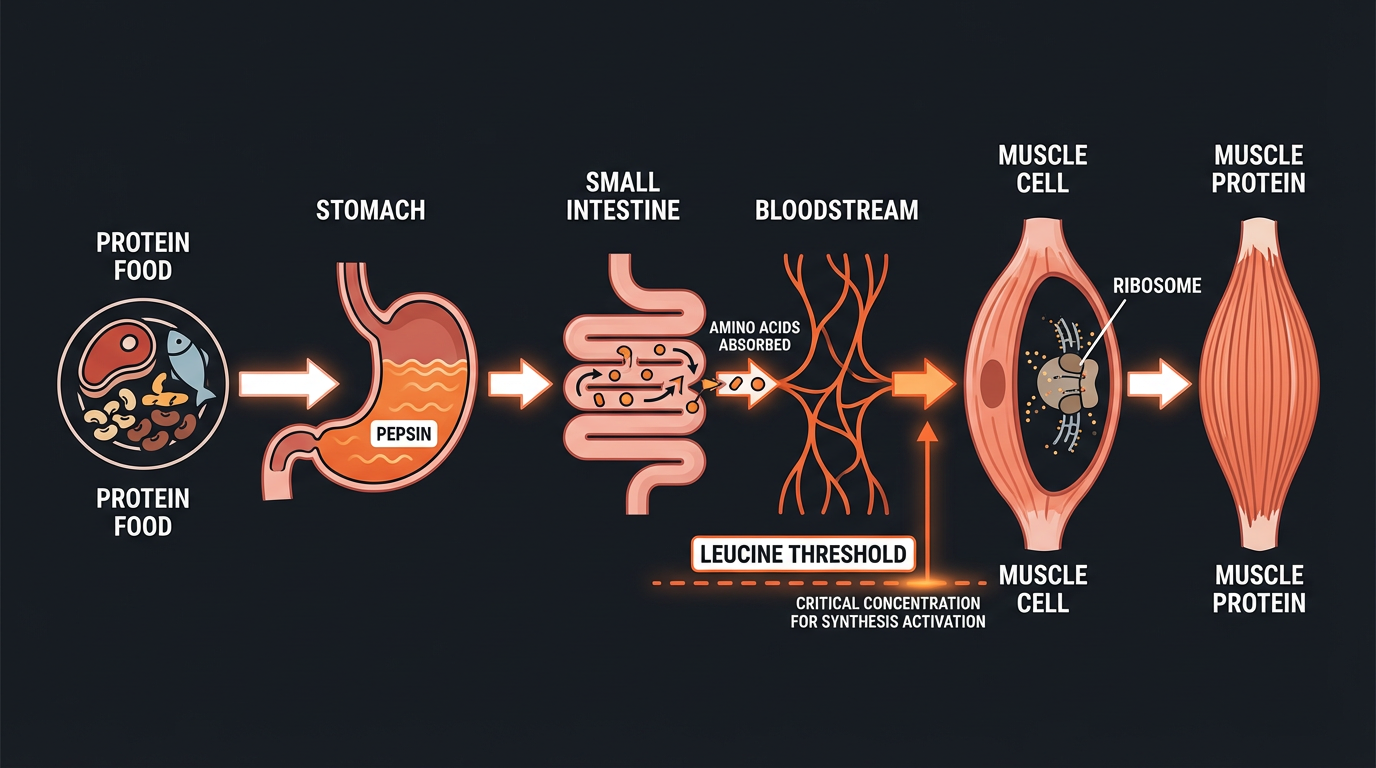
- •Macronutrients: Protein shakes primarily provide a high dose of protein, vital for muscle repair and growth. An average protein shake can contain 20-30 grams of protein per serving.
- •Vitamins and Minerals: Depending on the ingredients, shakes can be a good source of essential vitamins and minerals like vitamin D, calcium, and potassium.
- •Caloric Content: Be mindful of the calorie count. A simple protein shake with water will be low in calories, while one with milk, nuts, and fruit can increase the caloric content significantly.
How to Optimize Your Protein Shakes
To maximize the benefits, here are some tips for making your protein shakes healthier:
- •Choose Quality Protein Powders: Opt for protein powders with minimal ingredients and no added sugars or artificial additives.
- •Add Fiber: Include high-fiber fruits like berries or add a spoonful of chia seeds or flaxseeds to your shake.
- •Balance with Fats and Carbs: Include healthy fats like avocado or almond butter and complex carbs like oats to make your shake a well-rounded meal.
Common Questions about Protein Shakes for Breakfast
Many people have questions about integrating protein shakes into their morning routine. Here are some frequently asked questions:
Is it healthy to replace breakfast with a protein shake?
This depends on the ingredients used. If the protein shake is well-balanced with other essential nutrients, it can serve as a healthy meal replacement.
Can protein shakes help with weight loss?
When used correctly, protein shakes can aid weight loss by keeping you fuller longer and reducing overall calorie intake.
How do I avoid the potential drawbacks?
Use whole, natural ingredients and avoid heavily processed protein powders to mitigate most of the cons associated with protein shakes.
Conclusion
Protein shakes for breakfast offer a convenient and nutritious start to the day with numerous benefits. However, it’s crucial to choose quality ingredients and be mindful of the potential downsides. By optimizing your shakes, you can enjoy a balanced and healthy meal every morning.
Frequently Asked Questions
- Is a protein shake enough for breakfast?
- A shake alone is pretty light. Add some oats, banana, nut butter, or Greek yogurt to make it a proper meal with 400-500 calories. A scoop of whey with water is a snack, not breakfast.
- Can I replace breakfast with a protein shake to lose weight?
- It can work as a calorie-controlled meal replacement if you blend it with fruits, oats, and healthy fats to stay full. Just make sure it's not a 120-calorie shake that leaves you raiding the vending machine by 10am.
- What should I put in a breakfast protein shake?
- A solid formula is one scoop of protein, a cup of milk or milk alternative, a banana, a tablespoon of nut butter, and half a cup of oats. That gives you around 500 calories with a good mix of protein, carbs, and fats to actually keep you full.
- Is it bad to drink protein shakes on an empty stomach?
- It's fine for most people. Some get a little nauseous from whey on an empty stomach, especially whey concentrate. If that's you, try isolate instead or blend your shake with some oats and banana to slow digestion.