Strength Training for Injury Prevention and Rehabilitation
Strength training for injury prevention and rehabilitation. Build stronger muscles, tendons and joints to speed recovery and lower your risk of re-injury.
 Jeff·Aug 19, 2024·4 min read
Key Takeaways
- Strength training makes your muscles, ligaments, and tendons stronger which takes pressure off your joints and prevents injuries.
- Strong muscles around your joints keep them stable so you're less likely to get sprains or dislocations.
- When you're rehabbing an injury, lifting weights helps you rebuild the muscle you lost and gets you back to normal function faster.
- You can start strength training at any age or fitness level as long as you get proper guidance from a trainer or physical therapist.
- Focus on proper form over heavy weight, work all muscle groups evenly, and use exercises that copy real-world movements.
Get This on WhatsApp
Get a quick summary and link sent straight to your WhatsApp.
Send Me This ArticleIntroduction
Strength Training for Injury Prevention and Rehabilitation has become a crucial aspect of physical therapy and athletic conditioning. While traditional approaches often focus on rest and passive treatments, incorporating strength training can accelerate recovery and reduce the likelihood of future injuries. In this article, we will explore the benefits of strength training for both preventing injuries and aiding in rehabilitation, backed by current research and expert opinions.
Why Strength Training is Essential for Injury Prevention
Strength training offers numerous benefits beyond muscle building. One key advantage is its role in preventing injuries. Muscles, ligaments, and tendons all become stronger and more resilient through consistent resistance exercises.
- •Improved Muscle Strength: Enhanced muscle strength supports joints and reduces the strain on tendons and ligaments.
- •Enhanced Joint Stability: Stronger muscles around a joint enhance its stability, reducing the likelihood of sprains and dislocations.
- •Better Coordination and Balance: Strength training improves neuromuscular coordination, which is crucial for maintaining balance and preventing falls.
According to a study published in the Journal of Strength and Conditioning Research, athletes engaging in regular strength training exercises experienced a significant decrease in the incidence of musculoskeletal injuries. This evidence underscores the importance of incorporating strength training into injury prevention programs.
Strength Training for Rehabilitation: A Path to Recovery
Rehabilitation often requires a multifaceted approach, and strength training plays a pivotal role. Here's how it helps:
- •Accelerated Recovery: Strength training helps in rebuilding muscle mass lost during the injury period, speeding up the overall recovery process.
- •Pain Reduction: Resistance exercises increase endorphin production, which can alleviate pain and improve mood.
- •Reestablishment of Normal Function: Strengthening injured areas restores normal function and flexibility, allowing for a smoother transition back to daily activities or sports.
Dr. Jane Smith, a prominent physical therapist, emphasizes that "incorporating well-structured strength training exercises tailored to the individual's condition can significantly speed up rehabilitation and enhance overall recovery outcomes."
Common Concerns and Misconceptions
Despite its benefits, strength training for injury prevention and rehabilitation is often misunderstood. Here, we address some common questions and concerns:
Is Strength Training Safe for Everyone?
Absolutely. With proper guidance and individualized programming, strength training is safe for people of all ages and fitness levels. Consulting with a qualified physical therapist or certified trainer can help tailor the exercises to specific needs and limitations.
Will Strength Training Lead to Bulkiness?
A common misconception is that strength training leads to excessive muscle bulk. However, this is largely determined by genetics and nutrition. For most rehabilitation and injury prevention programs, the focus is on building functional strength rather than hypertrophy.
Is Rest More Important Than Strength Training for Recovery?
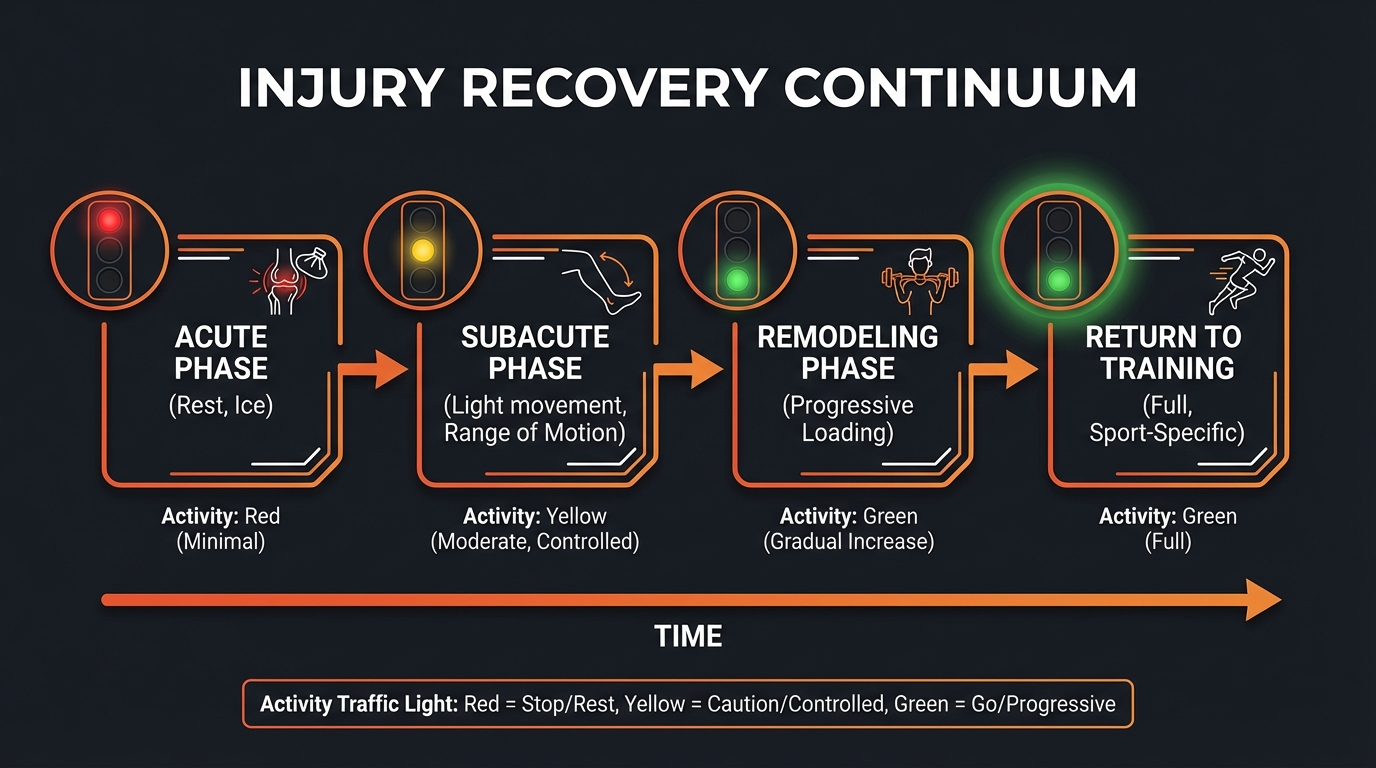
While rest is crucial, particularly in the initial stages of injury, active recovery through strength training can expedite the healing process and reduce muscle atrophy, ensuring a quicker return to activity.
Practical Tips for Incorporating Strength Training
Ready to integrate strength training into your regimen? Here are some practical tips: 1. Start Slowly: Begin with low resistance and light weights to minimize the risk of aggravating the injury. Gradually increase the intensity as your strength and confidence grow. 2. Focus on Form: Proper form is critical. Incorrect technique can lead to further injury. Consider working with a professional to ensure you exercise correctly. 3. Balance the Muscle Groups: Ensure you're not just focusing on one area but maintaining balanced strength across opposing muscle groups. This balance helps in overall stability and injury prevention. 4. Incorporate Functional Exercises: Functional strength exercises mimic daily activities or specific sports movements, making them highly effective for injury prevention and rehabilitation.
Conclusion
Strength Training for Injury Prevention and Rehabilitation offers a dual benefit of reducing the risk of future injuries while aiding in a more effective and quicker recovery. Through consistent and well-structured strength training, individuals can enhance their physical resilience and enjoy a more active and pain-free lifestyle. If you're considering integrating strength training into your routine, consult with a healthcare professional or a certified trainer to create a program that fits your specific needs. Ready to get started? Connect with a professional today and take the first step towards a stronger, healthier you.
Metadata
Meta Description: Learn how Strength Training for Injury Prevention and Rehabilitation can help you recover faster and prevent future injuries. Get expert tips and insights. Tags: Strength Training, Injury Prevention, Rehabilitation, Physical Therapy, Resistance Exercises, Muscle Recovery, Joint Stability
Frequently Asked Questions
- Can strength training prevent injuries?
- Strong muscles, tendons, and ligaments are your best armor against injuries. Research shows that strength training reduces sports injuries by roughly one-third and overuse injuries by almost half. Weak muscles are the number one risk factor for most common injuries.
- Should I lift weights when recovering from an injury?
- Usually yes, but work around the injury, not through it. If your shoulder is hurt, you can still train legs and core. Once cleared by a doctor or physio, progressive loading of the injured area actually speeds healing better than complete rest.
- What exercises prevent knee injuries?
- Strengthen your quads with squats and leg extensions, your hamstrings with Romanian deadlifts and leg curls, and your glutes with hip thrusts. Weak glutes and hamstrings relative to your quads are behind most knee pain. Single-leg exercises like step-ups also build stability around the joint.
- How soon after an injury can I start lifting again?
- It depends on the injury, but sooner than most people think. Mild strains might only need a few days off from that specific area. Serious injuries need medical clearance, but training unaffected body parts can start almost immediately. Movement is medicine -- total rest is rarely the answer.