Strength Training for Mental Health: Boosting Mood and Reducing Stress
Strength training boosts mental health by releasing endorphins that lift mood, ease anxiety, and cut stress. See how lifting builds confidence and calm.
 Jeff·Aug 19, 2024·3 min read
Key Takeaways
- Lifting weights releases endorphins that act like natural painkillers and give you that euphoric feeling similar to runner's high.
- Building a consistent workout routine gives you structure and something positive to focus on, which helps fight off stress and anxiety.
- Strength training lowers cortisol levels in your body, which directly reduces your stress hormone and calms down that fight-or-flight response.
- Weight training boosts dopamine, serotonin, and norepinephrine in your brain, which are the key chemicals that control your mood and energy levels.
- Studies show that regular strength training actually reduces symptoms of depression just as effectively as some other treatments.
Get This on WhatsApp
Get a quick summary and link sent straight to your WhatsApp.
Send Me This Article'''html
Introduction
In today's fast-paced world, mental health is more critical than ever, and finding effective ways to manage stress and boost mood can make all the difference. One often overlooked method is strength training for mental health: boosting mood and reducing stress. This article will explore how incorporating strength training into your routine can significantly improve your mental well-being.
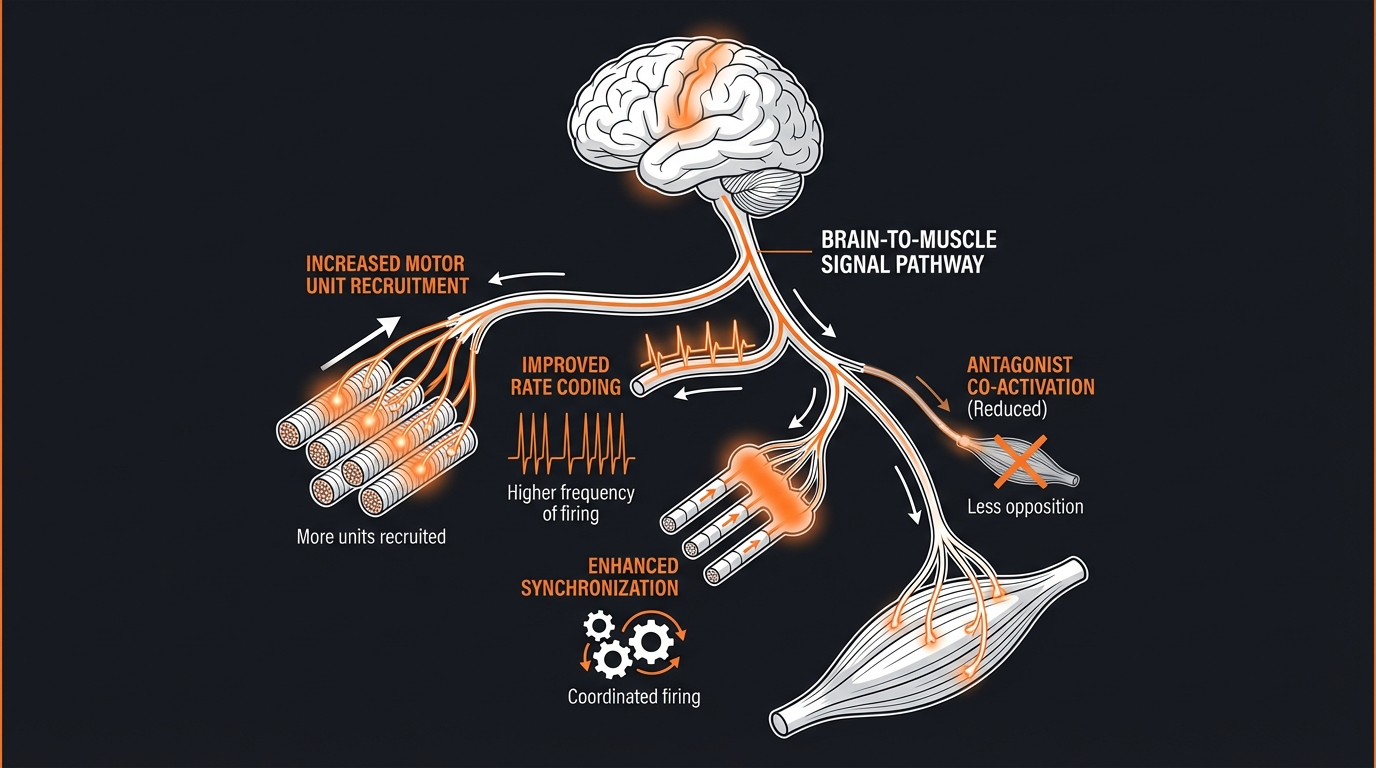
How Strength Training Affects Mental Health
Strength training isn't just about building muscle and improving physical fitness. It also has a profound impact on mental health. When you engage in strength training exercises, your body releases endorphins, which are chemicals in the brain that act as natural painkillers and mood elevators. Additionally, the sense of accomplishment you get from reaching your fitness goals can boost self-esteem and reduce anxiety.
Endorphins and the "Runner's High"
Similar to the "runner's high" experienced during cardiovascular exercises, strength training can induce a feeling of euphoria and reduce perceptions of pain. According to the Mayo Clinic, these endorphins interact with receptors in your brain, triggering a positive feeling in the body, much like that of morphine.
The Role of Consistency and Routine
One of the key elements of leveraging strength training for mental health benefits is consistency. Developing a regular workout routine can provide a much-needed sense of structure and purpose. This routine acts as a stress buffer, providing an outlet for releasing built-up tension. Additionally, having a set schedule can help fight off feelings of stress and anxiety by giving you something positive to focus on.
- •Set realistic goals
- •Track your progress
- •Mix up your exercises to keep things interesting
Combating Stress with Strength Training
Strength training can be an effective way to combat stress for a number of reasons. Physically, it can reduce the levels of cortisol, the body's stress hormone, and counteract the body's "fight or flight" response. Mentally, it provides a distraction from daily worries and a constructive way to channel stress.
Practical Tips for Managing Stress
- •Focus on form and breathwork during exercises
- •Join a strength training class or find a workout buddy
- •Include exercises that you enjoy and that challenge you
Strength Training for Mood Enhancement
Strength training not only reduces stress but also enhances mood. It encourages the release of neurotransmitters like dopamine, serotonin, and norepinephrine, which are crucial for regulating mood, energy, and focus. A study published in the Journal of the American Medical Association found that strength training leads to noticeable improvements in depressive symptoms.
Related long-tail keywords: exercises for mental health, mood-boosting workouts, mental health benefits of exercise.
Conclusion and Call-to-Action
In conclusion, incorporating strength training for mental health: boosting mood and reducing stress into your daily routine can provide numerous benefits beyond physical fitness. The hurdles you face in the gym can help prepare you for challenges in life, building resilience both physically and mentally.
Ready to start your journey? Start small, stay consistent, and watch as your mental health transforms alongside your body. Whether you're new to strength training or an experienced lifter, there's always a new benchmark to achieve and a mental health benefit to reap.
Meta Description
Discover how strength training can enhance your mental well-being, boost your mood, and reduce stress levels. Get expert tips and start your fitness journey today!
Tags
- •strength training
- •mental health
- •stress reduction
- •mood enhancement
- •physical fitness
- •mental wellness
'''
Frequently Asked Questions
- Does lifting weights actually help with depression and anxiety?
- Yes, and the research is very strong on this. Resistance training has been shown to reduce symptoms of depression by 40-50% in multiple studies, comparable to some medications. It works through increased endorphins, improved self-efficacy, and better sleep quality.
- How often should you lift for mental health benefits?
- Just 2-3 sessions per week is enough to see significant mood improvements. You don't need to train like a bodybuilder. Even moderate-intensity sessions where you break a sweat and challenge yourself produce measurable reductions in anxiety and stress.
- Why do I feel so good after lifting weights?
- Lifting triggers a release of endorphins, serotonin, and dopamine, the same neurotransmitters targeted by antidepressant medications. You also get an immediate confidence boost from accomplishing something difficult and a sense of control over your body.
- Can exercise replace medication for mental health?
- For mild to moderate depression and anxiety, exercise can be equally effective as medication for some people. But for severe cases, it should be used alongside professional treatment, not as a replacement. Always work with your doctor on these decisions.