Strength Training for Women: Myths vs. Facts
Strength training for women, myth-busted: lifting won't make you bulky. See why squats, deadlifts, and presses build a toned, defined physique, not size.
 Jeff·Aug 19, 2024·3 min read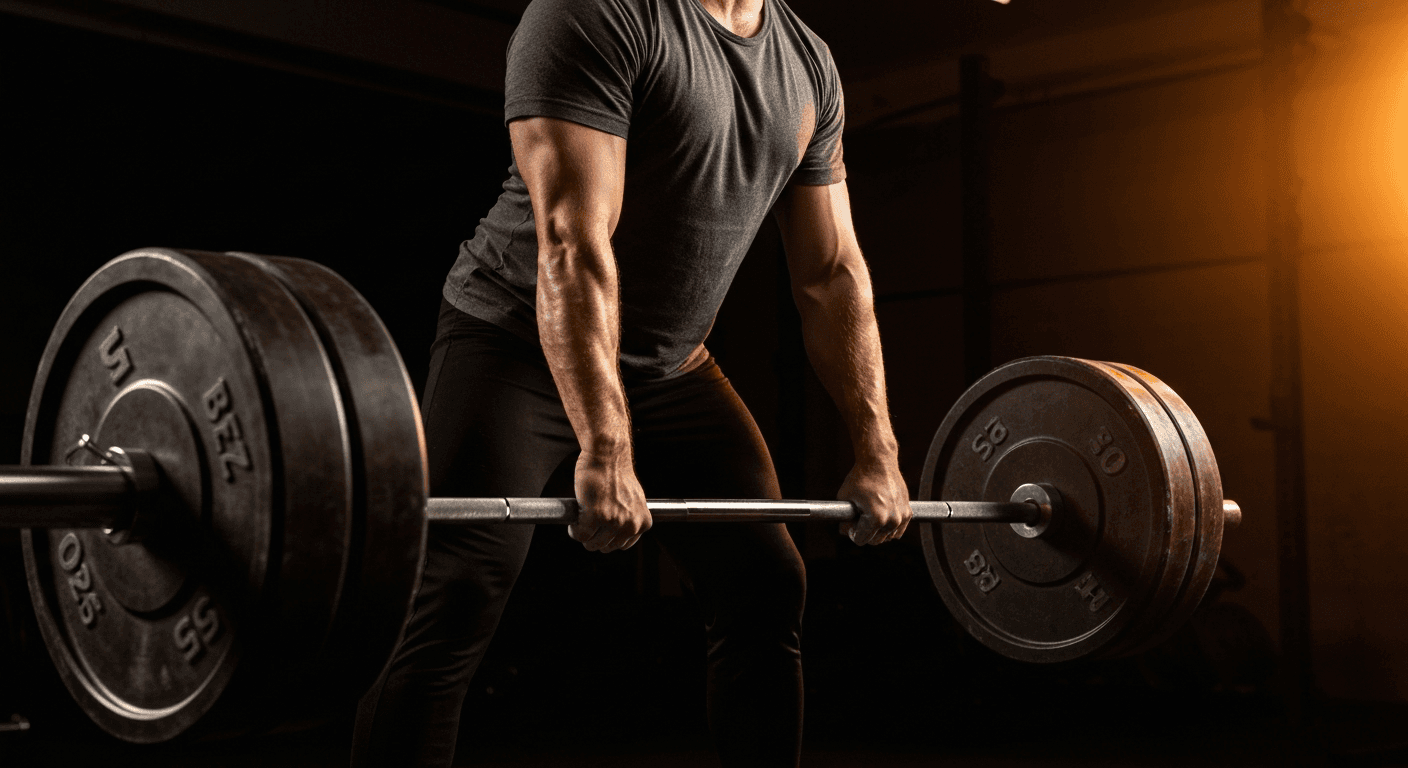
Key Takeaways
- Women won't get bulky from lifting weights because they have way less testosterone than men.
- Strength training burns calories even when you're not working out because muscle tissue increases your metabolism.
- Lifting weights actually makes you less injury-prone by strengthening your joints and improving bone density.
- Start with bodyweight moves like push-ups and lunges before jumping into heavy weights.
- Strength training helps with depression and anxiety while also preventing diseases like diabetes and heart problems.
Get This on WhatsApp
Get a quick summary and link sent straight to your WhatsApp.
Send Me This ArticleIntroduction
Strength training for women has become a growing fitness trend, yet many myths and misconceptions persist. In this article, "Strength Training for Women: Myths vs. Facts," we will debunk common fallacies and present evidence-based truths. Whether you're a gym novice or a seasoned athlete, understanding the benefits and realities of strength training is crucial.
Myth 1: Strength Training Will Make Women Bulky
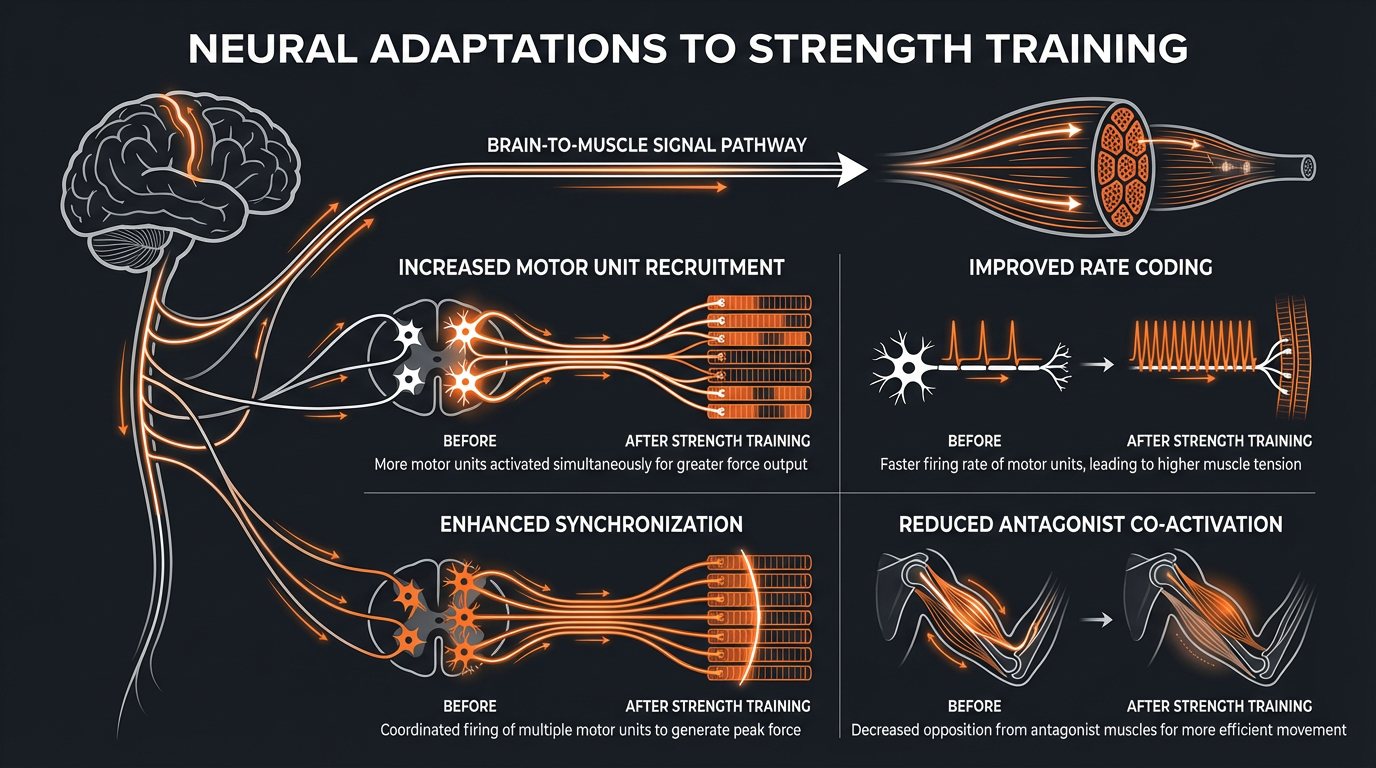
One of the most persistent myths is that strength training will cause women to develop bulky muscles. This concern deters many women from picking up weights. The fact is, women generally have lower testosterone levels than men, which limits their muscle-building potential. According to a study by the National Institutes of Health, hormonal differences make it unlikely for women to gain large muscle mass solely through strength training. Instead, strength training can help women achieve a toned, well-defined physique. Tip: Focusing on exercises like squats, deadlifts, and bench presses with moderate weights and higher repetitions can promote muscle tone without bulk.
Myth 2: Cardio is Better for Weight Loss Than Strength Training
Many believe that cardiovascular exercise is the most effective way to lose weight. While cardio can help burn calories, the role of strength training in weight loss should not be underestimated. Building muscle through strength training increases your resting metabolic rate, meaning you burn more calories even at rest. A Harvard Medical School article cites that a 155-pound person burns approximately 112 calories per 30 minutes of weight training, which can add up significantly over time. Takeaway: Incorporating both cardio and strength training into your workout regimen can optimize weight loss and overall health.
Myth 3: Strength Training is Dangerous for Women
Some people think that strength training poses a high risk of injury, especially for women. However, proper technique and training can minimize this risk. In fact, strength training can reinforce joint stability, improve bone density, and enhance overall balance, which are particularly beneficial for women. The American College of Sports Medicine recommends strength training at least twice a week to reap these benefits safely. Practical Tip: Consult a certified fitness trainer to learn proper form and gradually increase the weights you use to minimize injury risk.
Fact: Strength Training Offers Unique Health Benefits
Strength training provides numerous health benefits beyond physical appearance. It can reduce the risk of chronic diseases such as type 2 diabetes, heart disease, and osteoporosis. According to the Centers for Disease Control and Prevention (CDC), regular strength training helps improve mental health by reducing symptoms of depression and anxiety. Furthermore, it enhances functional strength, making everyday tasks easier and more efficient.
- •Reduces risk of chronic diseases
- •Improves mental health
- •Enhances functional strength
Example: Case studies show women who participated in regular strength training reported better mood and increased energy levels, enhancing their quality of life.
How to Start Strength Training Safely and Effectively
Beginning a strength training program can be intimidating, but it doesn't have to be. Here are some step-by-step instructions to help you start:
- •Begin with a warm-up session to prepare your muscles.
- •Start with bodyweight exercises like push-ups and lunges.
- •Gradually incorporate free weights and resistance bands.
- •Focus on proper form to prevent injuries.
- •Listen to your body and allow ample recovery time.
Incorporating these steps can help you safely transition into a regular strength training routine.
Conclusion
Understanding the myths vs. facts about strength training for women is essential for making informed decisions about your fitness routine. By debunking common myths, we reveal the numerous benefits strength training offers, from weight loss to improved mental health. Now is the time to break free from misconceptions and embrace the empowering world of strength training. Call-to-Action: Ready to get started? Consult a certified trainer and begin your journey toward a stronger, healthier you today!**
Meta Description: Discover the truth about strength training for women by debunking common myths and understanding the facts. Get tips to start your fitness journey. Tags:** strength training for women, fitness myths, health benefits, weight loss, beginner guide
Frequently Asked Questions
- Will lifting heavy weights make women bulky?
- No. This is the most persistent myth in fitness. Women produce a fraction of the testosterone needed to build large muscles. What heavy lifting actually does is create a lean, defined look that most women describe as "toned." Getting bulky takes years of dedicated effort and usually pharmaceutical help.
- Should women lift heavy or stick to light weights?
- Lift heavy. Light weights with high reps burn calories but don't build much muscle or strength. Women respond to heavy training the same way men do, just with less total muscle gain due to hormonal differences. If you can do 20+ reps easily, the weight is too light.
- Is strength training better than cardio for women who want to lose weight?
- For long-term fat loss, yes. Strength training builds muscle, which increases your metabolism so you burn more calories at rest. Cardio burns calories during the session but doesn't change your resting metabolic rate. Ideally, do both, but prioritize weights.
- How often should women strength train?
- Three to four days per week is ideal for most women. Full body or upper/lower splits work great. You don't need a different program than men. The same principles of progressive overload, compound lifts, and adequate protein apply regardless of gender.