The Impact of Sleep Quality on Muscle Growth and Recovery
Sleep quality drives muscle growth: deep sleep fuels growth hormone and protein synthesis. See why 7-9 hours a night protects your recovery and your gains.
 Jeff·Aug 20, 2024·3 min read
Key Takeaways
- Your body releases growth hormone and does most of its muscle repair during deep sleep, so skipping sleep kills your gains.
- Getting less than 7 hours per night tanks your testosterone levels, which directly hurts muscle recovery and growth.
- Protein synthesis happens most during REM sleep, so poor sleep quality means your torn muscle fibers take longer to rebuild stronger.
- You need to ditch screens at least an hour before bed because blue light messes with your natural sleep cycle.
- Keeping a consistent sleep schedule and creating a cool, dark bedroom will massively improve your recovery between workouts.
Get This on WhatsApp
Get a quick summary and link sent straight to your WhatsApp.
Send Me This ArticleAchieving your fitness goals often involves a balanced combination of diet, exercise, and rest. Yet, the importance of sleep is frequently overlooked despite its critical role in muscle growth and recovery. In this article, we'll explore the impact of sleep quality on muscle growth and recovery, backed by current research and expert insights.
Why Sleep is Essential for Muscle Growth
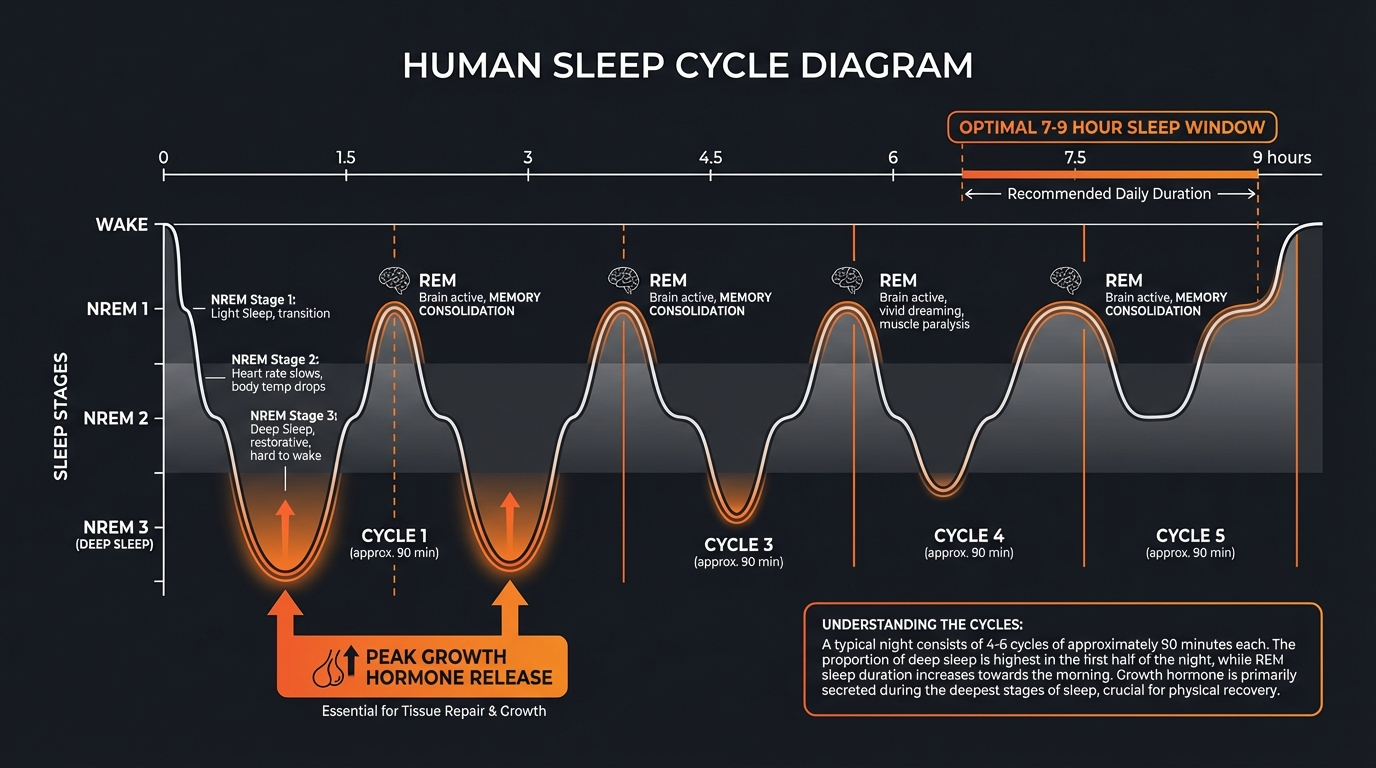
Quality sleep allows your body to repair and build muscle tissue. While you sleep, your body releases essential hormones like growth hormone, which play a pivotal role in muscle development. According to the National Sleep Foundation, adults should aim for 7-9 hours of sleep per night to optimize physical health. Chronic sleep deprivation can inhibit muscle growth, making it harder for you to see gains.
The Science Behind Sleep and Recovery
During deep sleep (specifically the REM stage), protein synthesis - the process by which your body rebuilds muscle fibers torn during exercise - is most active. Poor sleep disrupts this process, leading to slower muscle recovery and growth. A study published in the Journal of Clinical Endocrinology & Metabolism found that individuals who slept less than 7 hours a night had reduced levels of testosterone, a critical hormone for muscle repair and growth.
Common Barriers to Quality Sleep
Understanding obstacles to good sleep can help you identify and mitigate them. Here are some common barriers:
- •Stress: High levels of stress can lead to insomnia or poor-quality sleep.
- •Technology use: Blue light from screens can interfere with your body's natural sleep cycle.
- •Poor sleep hygiene: Irregular sleep schedules and uncomfortable sleep environments can reduce sleep quality.
Practical Tips for Improving Sleep Quality
Optimizing sleep quality involves both short-term and long-term strategies. Here are some practical tips:
- •Establish a Sleep Routine: Try to go to bed and wake up at the same time every day, even on weekends.
- •Limit Screen Time Before Bed: Avoid screens at least an hour before bedtime. Instead, consider reading a book or doing relaxation exercises.
- •Create a Relaxing Bedroom Environment: Keep your room cool, dark, and quiet. Consider investing in a comfortable mattress and pillows.
- •Manage Stress Effectively: Techniques like meditation, yoga, and deep-breathing exercises can help reduce stress, contributing to better sleep.
The Long-term Benefits of Quality Sleep
Beyond muscle growth and recovery, quality sleep has numerous other benefits. According to the Sleep Foundation, adequate sleep can enhance mental clarity, boost mood, and improve overall physical health. Some long-tail keywords to keep in mind include "how to improve sleep for muscle recovery" and "connection between sleep and muscle gain". Developing a healthy sleep routine is an investment in your long-term well-being.
Conclusion
In summary, the impact of sleep quality on muscle growth and recovery is profound. By understanding the mechanisms involved and overcoming common barriers to good sleep, you can optimize your fitness journey. Prioritize sleep as much as diet and exercise to unlock your fullest potential.
Having trouble getting good sleep? Check out our free guide to improving sleep hygiene and start seeing better muscle recovery today!
Frequently Asked Questions
- How many hours of sleep do you need to build muscle?
- Aim for 7-9 hours per night. Studies show that sleeping less than 6 hours can cut your muscle-building results nearly in half, even with perfect training and nutrition. Sleep is when most of your growth hormone is released.
- Does poor sleep actually kill gains?
- Yes, and it's not even close. Sleep deprivation increases cortisol, decreases testosterone, reduces protein synthesis, and makes you weaker in the gym. One week of sleeping 5 hours a night can drop testosterone levels by 10-15%.
- What can I do to sleep better for muscle recovery?
- Keep your room cold (65-68 degrees), stop screens 30-60 minutes before bed, and avoid caffeine after 2 PM. Magnesium glycinate before bed also helps a lot of lifters with sleep quality.
- Is napping good for muscle recovery?
- A 20-30 minute nap can help recovery, especially if you're not getting enough sleep at night. Don't nap longer than 30 minutes though, or you'll mess up your nighttime sleep quality, which is more important.