Body Recomposition: Building Muscle While Losing Fat
Body recomposition: build muscle and lose fat at once with a slight caloric deficit, high protein for muscle synthesis and targeted training. Expert tips.
 Jeff·Aug 20, 2024·3 min read
Key Takeaways
- You can build muscle and lose fat at the same time if you eat enough protein and lift heavy weights while staying in a slight calorie deficit.
- Aim for 1.2-2.2 grams of protein per kilogram of bodyweight and focus on compound movements like squats, deadlifts, and bench press.
- Get 7-8 hours of sleep every night because your muscles actually grow during recovery, not during the workout.
- Don't rely on the scale alone since you might be losing fat and gaining muscle at the same time, making weight stay the same even though your body is changing.
- Expect plateaus and slow progress because body recomposition takes way longer than just cutting or bulking separately.
Get This on WhatsApp
Get a quick summary and link sent straight to your WhatsApp.
Send Me This ArticleAchieving body recomposition—simultaneously building muscle while losing fat—is a highly sought-after goal in the fitness world. However, it is often considered challenging by many. In this article, we will delve into strategies and principles backed by experts to help you successfully navigate body recomposition. Whether you're a fitness enthusiast or someone just starting, this guide is crafted to provide you with valuable insights.
Understanding Body Recomposition: What is it?
Body recomposition refers to the process of transforming your body by decreasing fat mass and increasing muscle mass. Unlike traditional weight loss, where the primary focus is on reducing overall body weight, recomposition aims at improving body composition by altering the ratio of fat to muscle. Body recomposition: building muscle while losing fat necessitates a unique approach involving tailored nutrition and targeted exercise regimes.
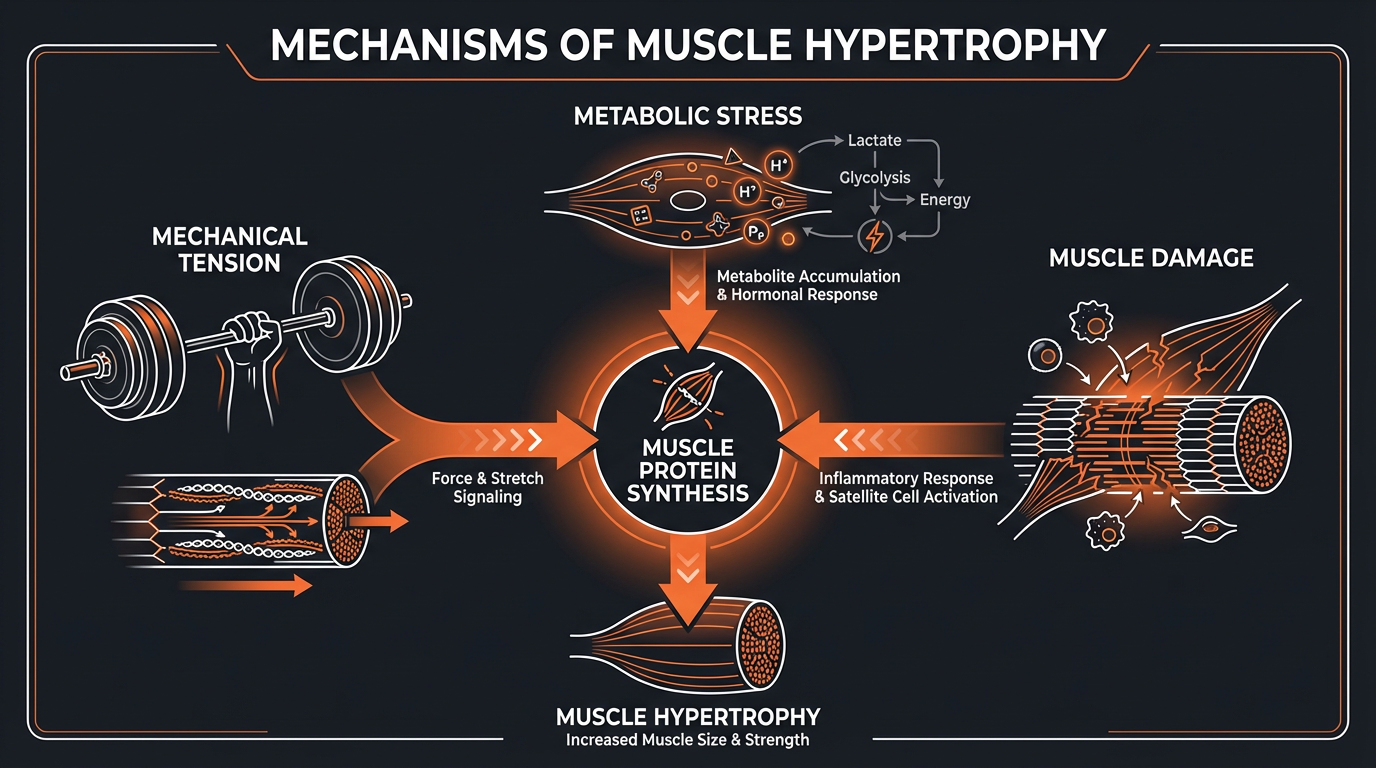
The Science Behind Body Recomposition
At its core, body recomposition is predicated on two key principles: caloric intake and muscle protein synthesis. To lose fat, a slight caloric deficit is necessary, ensuring you burn more calories than you consume. On the other hand, to build muscle, strength training needs to stimulate muscle protein synthesis. Contrary to popular belief, both processes can occur simultaneously, especially if carefully managed.
A study published in the *Journal of the International Society of Sports Nutrition* found that resistance training combined with adequate protein intake can stimulate muscle hypertrophy even during caloric restriction (Helms et al., 2014). This synergy is crucial for body recomposition.
Effective Strategies for Body Recomposition
Here’s a comprehensive step-by-step approach to making body recomposition a reality:
- •Nutrition: Your diet must support both fat loss and muscle gain. Consuming a high-protein diet aids in muscle repair and growth while keeping you satiated, which is vital for fat loss. Aim for at least 1.2-2.2 grams of protein per kilogram of body weight. Incorporate whole foods like lean meats, dairy, nuts, and legumes.
- •Strength Training: Resistance training is indispensable. Focus on compound movements like squats, deadlifts, bench press, and rows. These exercises recruit multiple muscle groups, promoting more significant muscle gains.
- •Adequate Rest and Recovery: Muscles grow during recovery, not during workouts. Ensure you're getting at least 7-8 hours of sleep per night and incorporate rest days to prevent overtraining.
- •Monitor Progress: Use methods like progress photos, measuring body fat percentage, or regular strength assessments to keep track of changes and make necessary adjustments.
Common Challenges and How to Overcome Them
Embarking on a body recomposition journey isn’t without hurdles. Common issues include:
- •Plateaus: These can be frustrating. To overcome them, consider varying your exercise routines and adjusting caloric intake periodically.
- •Inconsistent Progress: Body recomposition takes time. Stay consistent with your diet, training, and recovery.
- •Tracking Difficulties: Opt for reliable tracking methods like DEXA scans for body composition, or simply use a combination of visual and physical performance metrics.
Arnold, a fitness enthusiast, shared his journey: “Initially, the scale didn’t budge much, but I noticed clothes fitting better and increased strength in my workouts. It motivated me to stay consistent with my nutrition and training, leading to significant changes over time.” His experience highlights that focusing on non-scale victories is crucial for sustaining motivation.
Conclusion
Body recomposition: building muscle while losing fat is a viable and rewarding fitness goal. By strategically combining proper nutrition, targeted strength training, and adequate recovery, you can transform your body composition. Embrace the journey with patience and perseverance, and remember that consistency is the key.
If you’re looking to jumpstart your body recomposition journey, consider consulting with a fitness professional to create a personalized plan. Your transformed self awaits—start today!
'''
Frequently Asked Questions
- Can you really build muscle and lose fat at the same time?
- Yes, but it works best for beginners, people returning after a break, or those with higher body fat percentages. Advanced lean lifters will have a much harder time. Eat at maintenance or a slight deficit (100-200 calories), keep protein high at 1g per pound, and lift heavy.
- How long does body recomposition take to see results?
- Expect 3-6 months before visible changes become obvious. The scale might not move much since you're replacing fat with muscle, which weighs the same. Track progress with photos, measurements, and how your clothes fit instead.
- What should I eat for body recomposition?
- High protein (1g per pound of bodyweight), moderate carbs timed around workouts, and enough fat for hormonal health. Eat at or just below maintenance calories. Protein is the non-negotiable piece here.
- Is body recomp slower than bulking and cutting?
- Yes, usually. A dedicated bulk and cut cycle will produce faster visible results because you're optimizing for one goal at a time. But recomp is a good option if you don't want to deal with the mental stress of gaining fat during a bulk.