Cold Weather Muscle Growth: Optimizing Winter Bulking Season
Learn how to leverage winter's natural hormonal advantages for maximum muscle growth. Complete guide to cold weather nutrition, training, and recovery optimization.
 Jeff·Nov 26, 2024·4 min read
Key Takeaways
- Your testosterone can spike up to 30% during winter months, making it the perfect time to pack on serious muscle.
- Cold weather naturally bumps your metabolism by 15-20%, so you can eat more calories without getting as fat during your bulk.
- You need to spend way more time warming up in winter - aim for 15-20 minutes before hitting your heavy sets to avoid injury.
- Take 2000-5000 IU of Vitamin D3 daily since you're not getting sun, plus extra zinc and magnesium to keep your hormones firing.
- Keeping your core temperature up between sets can boost your workout performance by 25% compared to training cold.
Get This on WhatsApp
Get a quick summary and link sent straight to your WhatsApp.
Send Me This ArticleUnderstanding Winter Physiology
The winter season presents unique physiological advantages for muscle growth. During colder months, the body naturally increases its metabolic rate to maintain core temperature, creating an optimal environment for muscle development. Additionally, shorter daylight hours affect hormone production, particularly melatonin and growth hormone levels, which can be leveraged for enhanced muscle growth.
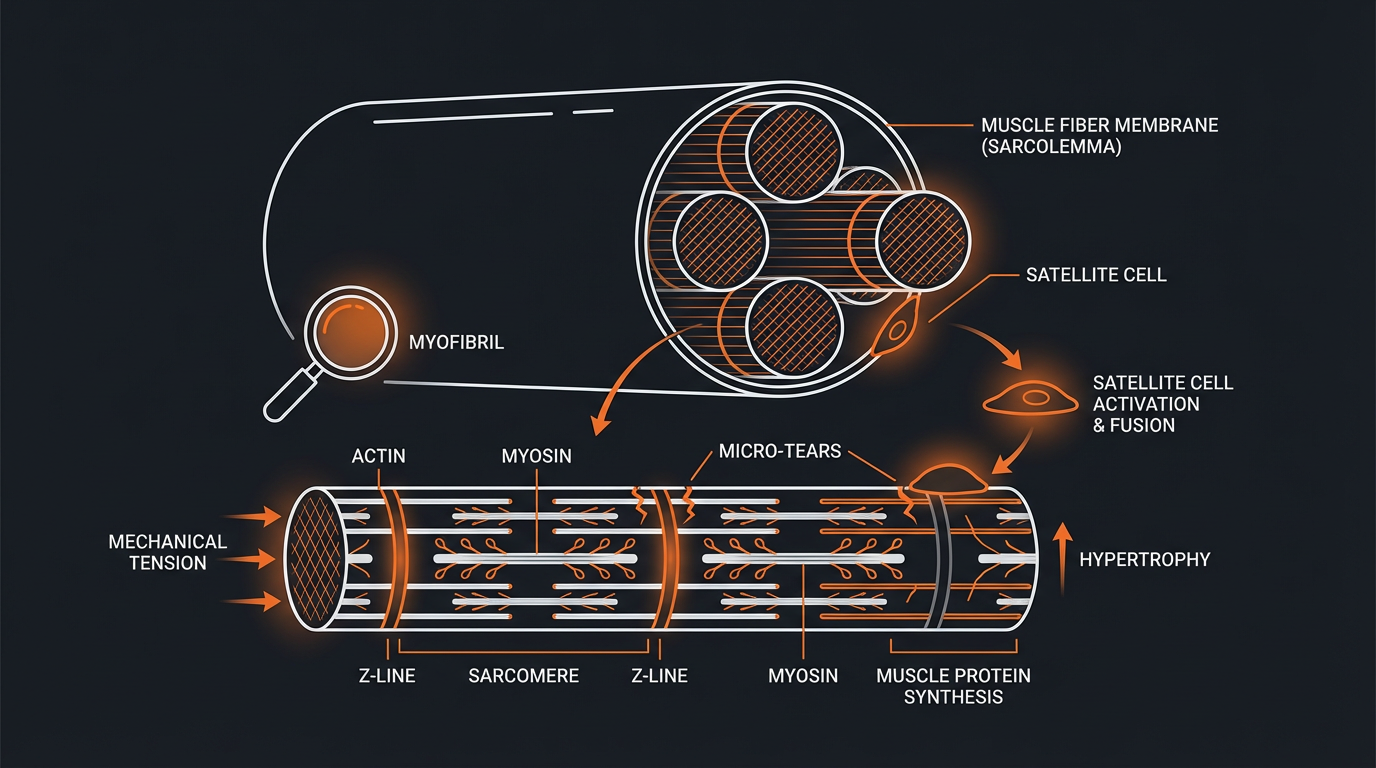
Seasonal Advantages for Muscle Building
Hormonal Benefits**The winter season naturally elevates testosterone levels and growth hormone production. Colder temperatures activate brown adipose tissue, increasing overall metabolic efficiency and potentially improving nutrient partitioning for muscle growth.
Increased Caloric Needs****Cold weather increases the body's energy requirements, allowing for a more generous caloric surplus without excessive fat gain. This natural increase in metabolic demand creates an ideal environment for clean bulking.
Winter Nutrition Strategy
Optimal Meal Timing
- •Pre-workout: Consume warm, easily digestible meals 2-3 hours before training
- •During workout: Room temperature hydration with electrolytes
- •Post-workout: Hot protein-rich meals within 1 hour
Strategic Meal Planning**
Sample Winter Bulk Meal Plan:
Breakfast (7 AM):
- •Steaming oatmeal with whey protein
- •Banana and almond butter
- •Hot green tea
Pre-Workout (10 AM):
- •Sweet potato
- •Grilled chicken breast
- •Steamed vegetables
Post-Workout (1 PM):
- •Hot bone broth soup
- •Brown rice
- •Lean beef
Training Adaptations for Cold Weather
Warm-Up Protocol
- •Dynamic mobility work: 10-15 minutes
- •Light cardio: 5-7 minutes
- •Progressive loading: 3-4 warm-up sets
- •Core temperature maintenance between sets
Winter Workout Structure
Full Body Winter Bulk Session:
- •Compound Lifts (15 minutes):
- •Squats: 5x5
- •Deadlifts: 4x6
- •Upper Body Push/Pull (20 minutes):
- •Bench Press: 4x8
- •Weighted Pull-ups: 4x6
- •Metabolic Finisher (10 minutes):
- •Circuit: 3 rounds
- •Battle Ropes: 30 seconds
- •Kettlebell Swings: 20 reps
- •Box Jumps: 10 reps
Recovery Optimization
Sleep Enhancement
- •Maintain room temperature at 65-68°F (18-20°C)
- •Use blackout curtains during longer winter nights
- •Implement a consistent sleep schedule
Recovery Techniques
- •Contrast therapy (hot-cold exposure)
- •Infrared sauna sessions
- •Active recovery movements
- •Mobility work
Supplementation Strategy
Winter-Specific Stack
- •Vitamin D3: 2000-5000 IU daily
- •Omega-3: 2-3g daily
- •Zinc: 15-30mg daily
- •Magnesium: 400-500mg before bed
Environmental Considerations
Gym Bag Essentials
- •Layered clothing
- •Thermal compression gear
- •Extra warm socks
- •Hot/cold therapy items
- •Thermal water bottle
Training Environment
- •Indoor temperature management
- •Proper ventilation
- •Equipment temperature considerations
- •Grip enhancement for cold bars
Progressive Loading Protocol
12-Week Winter Bulk Program
Weeks 1-4: Foundation
- •Focus: Volume accumulation
- •Training splits: 4 days/week
- •Intensity: 70-75% 1RM
- •Volume: 12-15 sets per muscle group
Weeks 5-8: Intensity Phase
- •Focus: Progressive overload
- •Training splits: 5 days/week
- •Intensity: 80-85% 1RM
- •Volume: 15-18 sets per muscle group
Weeks 9-12: Peak Phase
- •Focus: Strength and size
- •Training splits: 5-6 days/week
- •Intensity: 85-90% 1RM
- •Volume: 18-20 sets per muscle group
Performance Monitoring
Tracking Metrics
- •Weekly body measurements
- •Progress photos
- •Strength benchmarks
- •Body composition analysis
- •Recovery quality scores
Practical Implementation
Daily Checklist
- •Morning mobility routine
- •Meal prep and timing
- •Training environment preparation
- •Recovery protocol execution
- •Sleep optimization
Common Challenges and Solutions
Temperature Management
- •Layer clothing appropriately
- •Maintain core temperature during rest periods
- •Use thermal compression gear
- •Monitor workout intensity and rest periods
Nutrition Timing
- •Prepare warm meals in advance
- •Use thermal containers
- •Time larger meals around training
- •Focus on nutrient-dense foods
Conclusion
Winter provides unique advantages for muscle growth and strength development. By understanding and adapting to the seasonal changes, you can optimize your training environment, nutrition, and recovery protocols for maximum results. Focus on consistent implementation of these strategies while maintaining flexibility to adjust based on individual response and environmental conditions.
Remember that winter bulking success comes from the synergy of proper training, nutrition, and recovery, all adapted to the specific challenges and opportunities the season presents. Stay consistent with your approach while remaining mindful of the need for adequate recovery and adaptation periods.
Frequently Asked Questions
- Is it easier to build muscle in winter?
- Slightly, yes. You're naturally inclined to eat more in cold weather, testosterone tends to be higher in late fall and winter, and you're not trying to stay lean for the beach. Winter is a great time to commit to a gaining phase.
- How many extra calories should I eat when bulking in winter?
- A surplus of 250-500 calories above your maintenance is plenty. Don't use winter as an excuse to eat everything in sight — a 1,000-calorie surplus just means more fat to cut later. Lean bulking year-round beats dirty bulk/aggressive cut cycles.
- Should I change my training program for a winter bulk?
- Increase volume slightly since you're eating more and can recover better. Add an extra set or two per muscle group per week. This is also a good time to focus on compound lifts and prioritize lagging body parts.
- How do I avoid gaining too much fat during a bulk?
- Keep your surplus modest at 250-500 calories, weigh yourself weekly, and if you're gaining more than 2-3 pounds per month, pull the calories back. Take progress photos monthly — the mirror is a better judge than the scale.