Mastering the Art of the Lean Bulk: Minimizing Fat Gain While Building Muscle
Lean bulk guide: build muscle with minimal fat using a modest 250-500 calorie surplus, smart protein and macro targets, and quality, nutrient-dense food.
 Jeff·Aug 20, 2024·3 min read
Key Takeaways
- Keep your caloric surplus small at 250-500 calories per day and focus on nutrient-dense foods instead of just eating everything in sight.
- Eat 1.2-2.2 grams of protein per kilogram of body weight daily from lean meats, fish, eggs, and plant proteins to fuel muscle growth.
- Mix heavy compound lifts like squats and deadlifts with moderate weight hypertrophy training in the 8-12 rep range for maximum muscle building.
- Track your weight, measurements, and body fat percentage regularly so you can adjust your calories and training when needed.
- Add some light cardio to your routine to keep your heart healthy and prevent excess fat gain during your bulk.
Get This on WhatsApp
Get a quick summary and link sent straight to your WhatsApp.
Send Me This ArticleFor fitness enthusiasts, balancing the act of gaining muscle while keeping fat gain at bay can be daunting. Fortunately, mastering the art of the lean bulk allows you to build muscle efficiently without accumulating unwanted fat. Here, we break down the ultimate guide to achieving this fine balance.
Understanding Lean Bulking
Lean bulking contrasts with traditional bulking by focusing on gradual, clean muscle gain rather than rapid weight gain. The core principle is to allow your body to build muscle steadily while minimizing fat storage. This requires a strategic approach to both diet and training.
Caloric Surplus: Quality Over Quantity
A modest caloric surplus is crucial for muscle growth. However, the key is quality. Consuming nutrient-dense foods helps to ensure that the extra calories fuel muscle synthesis rather than fat accumulation. Aim for a surplus of 250-500 calories per day depending on your body's response.
Effective Nutrition: The Building Blocks
Your diet plays a pivotal role in lean bulking. Prioritize protein, healthy fats, and complex carbohydrates, while maintaining a balance.
Macronutrient Breakdown
- •Protein: Essential for muscle repair and growth, aim for 1.2-2.2 grams of protein per kilogram of body weight per day. Sources include lean meats, fish, eggs, and plant-based proteins.
- •Carbohydrates: Provide the energy necessary for intense workouts. Opt for complex carbs such as oats, brown rice, and sweet potatoes.
- •Fats: Crucial for hormone production and overall health. Include avocados, nuts, seeds, and olive oil in your diet.
Strategic Meal Timing
Spread your meals throughout the day to maintain a steady stream of nutrients. Consuming protein-rich meals around your workout can maximize muscle protein synthesis.
Optimization of Training Regimen
Training intensity, volume, and consistency are fundamental when bulking.
Strength and Hypertrophy Focus
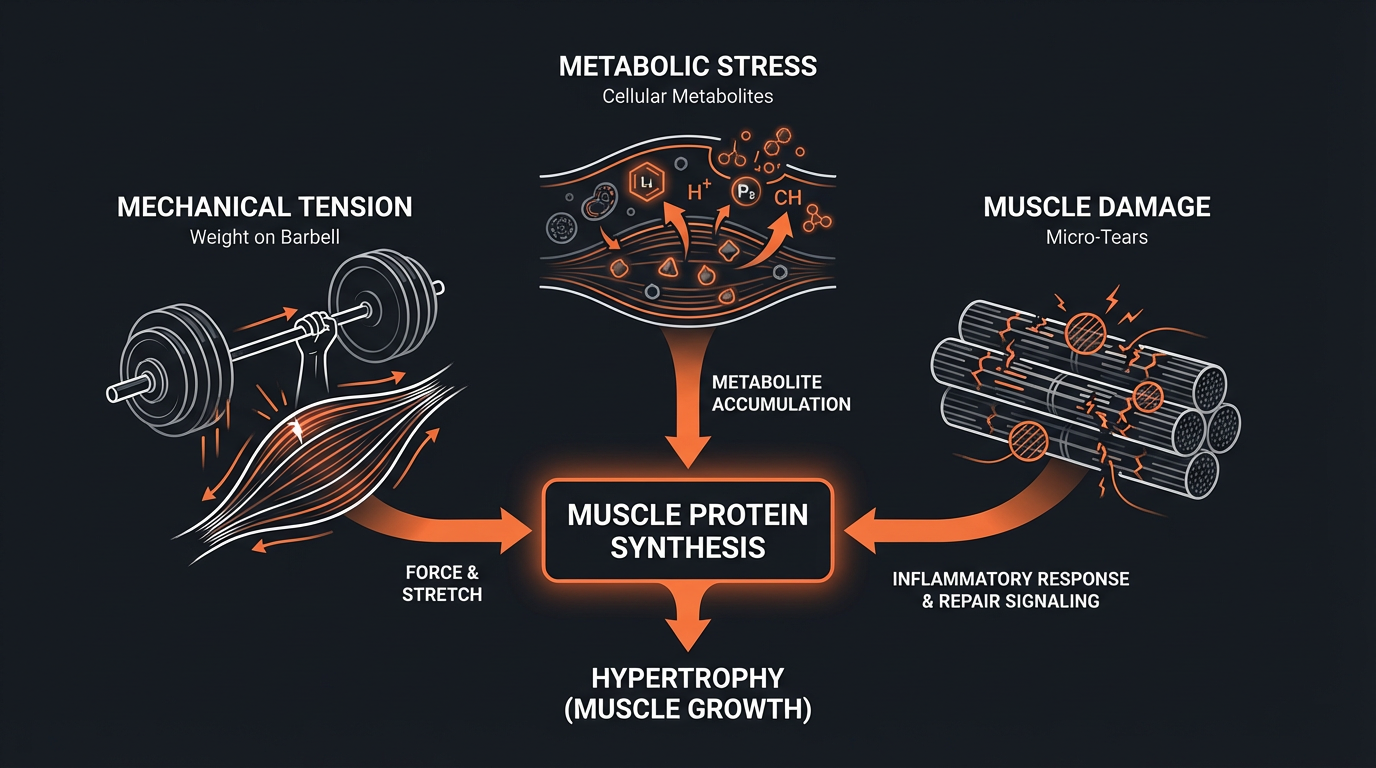
Incorporate a mix of strength and hypertrophy (muscle-building) training. Focus on compound movements like squats, deadlifts, and bench presses, which engage multiple muscle groups and stimulate mass gain.
- •Strength Training: Lift heavy weights with lower reps (4-6) and higher sets.
- •Hypertrophy Training: Utilize moderate weights with moderate reps (8-12) and fewer sets.
Include Progressive Overload
Progressive overload ensures continuous muscle adaptation by gradually increasing the weight, reps, or volume over time. This principle is essential for sustainable muscle growth.
Monitoring Progress and Adjusting Accordingly
Track your progress to ensure you strike the right balance between muscle gain and fat control.
Measurements and Adjustments
Regularly track your weight, body measurements, and possibly even body fat percentage. Adjust your caloric intake and training intensity based on these metrics to optimize results.
According to a study by the American College of Sports Medicine, individuals who track their workouts and progress are 60% more likely to reach their fitness goals.
Common Pitfalls and How to Avoid Them
Watch out for common bulk traps such as overeating under the guise of muscle gain or neglecting cardiovascular health. Integrate light cardio into your routine to maintain heart health and aid fat control.
Remember, patience and consistency are your allies in a lean bulk. Rushing the process often leads to unwanted fat gain and can demoralize your efforts.
Conclusion
Mastering the art of the lean bulk is a nuanced journey of diligence in both the kitchen and the gym. By maintaining a controlled caloric surplus, focusing on nutrient-rich foods, and adhering to a strategic workout plan, you can achieve your muscle-building goals without the excess fat gain. Stay committed, track your progress, and be ready to adjust your plan as needed. Start your lean bulk journey today and transform your physique intelligently and sustainably.
For further guidance and personalized fitness plans, contact us now!
'''
Frequently Asked Questions
- What is a lean bulk and how is it different from a regular bulk?
- A lean bulk uses a small calorie surplus of 200-300 calories above maintenance, compared to a traditional bulk that might use 500-1000+. You gain muscle more slowly but stay relatively lean, avoiding the need for a long cut afterward.
- How many extra calories do you need for a lean bulk?
- About 200-300 calories above your maintenance level. That's roughly an extra chicken breast and some rice per day. Going higher doesn't speed up muscle growth, it just adds more fat that you'll need to diet off later.
- How much weight should you gain per week on a lean bulk?
- Natural lifters should aim for 0.25-0.5 pounds per week. If you're gaining more than half a pound per week consistently, you're likely adding unnecessary fat. Weigh yourself daily and track the weekly average.
- Can you lean bulk without tracking calories?
- It's harder but possible. Eat the same meals daily and add a small snack if the scale isn't moving up. The margin for error on a lean bulk is tight though, so most people get better results with at least rough tracking for the first few months.