Top 10 Bulking Mistakes and How to Avoid Them
Bulking mistakes wreck your gains: skipping nutrient timing, eating junk, and more. Fix these 10 common errors to build clean mass faster and avoid injury.
 Jeff·Aug 20, 2024·3 min read
Key Takeaways
- Eat your post-workout meal with protein and carbs within 30 minutes of finishing your session.
- Don't use bulking as an excuse to crush junk food all day because you'll just get fat instead of muscular.
- Keep doing light cardio like walking or cycling because it helps with recovery and doesn't kill your gains.
- Get 7-9 hours of sleep every night and take rest days or your muscles won't actually grow.
- Focus on compound movements like squats and deadlifts instead of just doing bicep curls all day.
Get This on WhatsApp
Get a quick summary and link sent straight to your WhatsApp.
Send Me This ArticleBulking up can be a complex process fraught with potential pitfalls. Whether you’re a beginner or a seasoned lifter, understanding the Top 10 Bulking Mistakes and How to Avoid Them can save you a lot of time, effort, and even injuries. With expert tips and practical advice, you'll be set on the right path to achieve your mass-gaining goals quickly and safely.
1. Ignoring Nutrient Timing
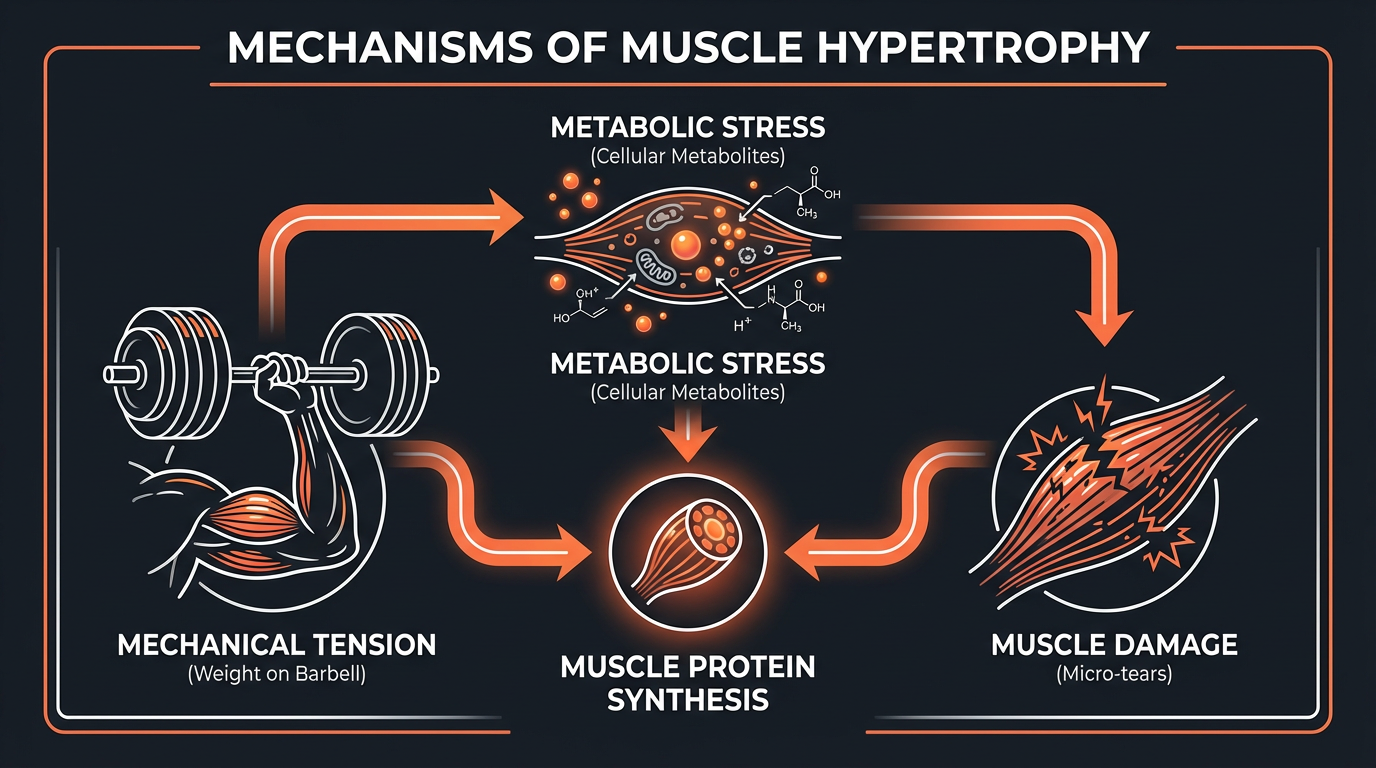
One of the key bulking mistakes many people make is neglecting the timing of their nutrient intake. Consuming the right nutrients at the right time can significantly affect your muscle growth and recovery. According to research published by the International Society of Sports Nutrition, consuming protein and carbohydrates immediately after a workout can enhance muscle protein synthesis and recovery.
- •Tip: Aim to eat a balanced meal containing carbs, protein, and fats within 30 minutes post-workout.
2. Overeating Junk Foods
Another common bulking error is thinking that bulking gives you the license to eat anything and everything, including junk foods. While it’s essential to consume more calories, it's equally important to source them from nutritious foods. Overeating junk foods can lead to unwanted fat gain and other health issues.
- •Prioritize whole foods like lean proteins, whole grains, and vegetables.
- •Use healthy snacks such as nuts and yogurt to meet your calorie goals.
3. Skipping Cardio
Many lifters skip cardio thinking it will hinder their bulking progress. However, moderate cardio can be beneficial for maintaining cardiovascular health, improving recovery, and even aiding in overall muscle growth by improving blood flow.
Tip: Integrate low to moderate-intensity cardio sessions, such as cycling or walking, into your weekly routine.
4. Not Tracking Progress
Failing to track your progress can leave you shooting in the dark. Using tools like a food diary or fitness app can help you monitor calorie intake and workout intensity.
- •Record your weight and body measurements weekly.
- •Log your meals to keep an eye on your macro and micronutrient intake.
5. Neglecting Rest and Recovery
Rest and recovery are just as crucial as your diet and workout routine. According to a study by the American College of Sports Medicine, insufficient rest can lead to decreased performance, overtraining syndrome, and even injuries.
- •Ensure you get 7-9 hours of sleep each night.
- •Incorporate rest days into your workout schedule.
6. Underestimating the Importance of Hydration
Water is vital for muscle function, nutrient transport, and overall performance. Dehydration can significantly hinder your muscle-building efforts. According to the National Academy of Medicine, men should aim for 3.7 liters of water per day, while women should aim for 2.7 liters.
Tip: Keep a water bottle handy throughout the day and hydrate before, during, and after workouts.
7. Focusing Solely on Isolation Exercises
While isolation exercises like bicep curls are beneficial, overemphasis on them can limit your muscle growth. Compound exercises involve multiple muscle groups and joints, leading to more significant mass gains.
- •Recommended Exercises: Squats, deadlifts, bench presses, and pull-ups.
8. Ignoring Flexibility and Mobility
Neglecting flexibility and mobility can lead to muscle imbalances and injuries. Incorporating stretching and mobility exercises can improve your range of motion and performance.
- •Add dynamic stretches before your workout.
- •Incorporate static stretches post-workout.
9. Consuming Excessive Supplements
While supplements can complement your diet, relying on them too much can be counterproductive. Whole foods should be your primary source of nutrients.
Tip: Focus on essential supplements like protein powder, creatine, and multivitamins.
10. Setting Unrealistic Expectations
Having unrealistic expectations can lead to frustration and burnout. Understand that muscle growth takes time and effort. Set achievable, short-term goals to keep yourself motivated.
- •Track your progress to stay motivated.
- •Celebrate small victories along the way.
Conclusion and Call to Action
Avoiding these Top 10 Bulking Mistakes and How to Avoid Them can set the foundation for successful muscle gain. Remember, it’s a marathon, not a sprint. Implement these tips to stay on track and watch your gains soar. If you found this guide helpful, don’t forget to share it with your friends and join our newsletter for more expert fitness tips!
Frequently Asked Questions
- What is the biggest bulking mistake people make?
- Eating way too much. A 500-1000 calorie surplus doesn't make you build muscle faster, it just adds more fat. Your body can only synthesize about 0.5 pounds of muscle per week naturally, so anything beyond a 200-300 calorie surplus is mostly stored as fat.
- Should I eat junk food to hit my calorie goal while bulking?
- Occasionally is fine, but making it a habit leads to excess fat gain and feeling terrible in the gym. Get 80% of your calories from whole foods like rice, potatoes, chicken, eggs, and oats. Use junk food as a last resort when you genuinely can't stomach more clean food.
- How much fat gain is normal during a bulk?
- Expect to gain roughly 1 pound of fat for every 2 pounds of muscle during a well-managed lean bulk. If you're gaining more fat than muscle, your surplus is too large or your training isn't intense enough.
- How long should a bulk last?
- At least 12 weeks to see meaningful muscle gain, ideally 16-20 weeks. Short 4-6 week bulks don't give your body enough time to build appreciable muscle. Stay the course and trust the process before switching to a cut.
- Can you bulk without getting fat at all?
- Some fat gain is inevitable when eating in a surplus. Anyone telling you otherwise is either a genetic outlier, on steroids, or selling something. Keep the surplus small and accept that a short cut afterward is just part of the game.